Testing and Evaluation Therapists in Sherwood Park, AB
Verified by Theralist
Verified and in good standing. Last verified Nov 9, 2026
Verification confirms registration only, not fit or quality of care.
How verification worksChild Psychologist
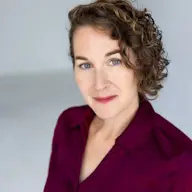
Dr. Erin Pougnet is a child psychologist and therapist in Calgary, Alberta, working with children and teens on ADHD, anxiety and OCD.
Verified by Theralist
Verified and in good standing. Last verified Nov 5, 2026
Verification confirms registration only, not fit or quality of care.
How verification worksRegistered Child Psychologist
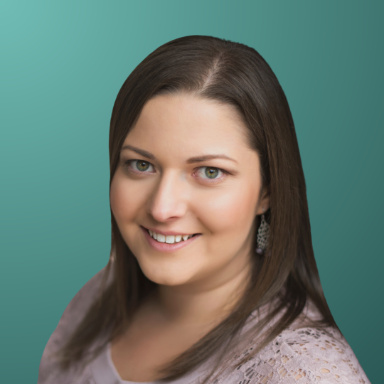
Dr. Lisa Pascal is a registered child psychologist and therapist in Calgary who works with children and teens on OCD and anxiety, using CBT and ACT.

Verified by Theralist
Verified and in good standing. Last verified Nov 5, 2026
Verification confirms registration only, not fit or quality of care.
How verification worksRegistered Provisional Psychologist
Penny Yen is a registered provisional psychologist and therapist in Calgary, Alberta, working with adult couples and individuals on trauma, PTSD and ADHD.

Verified by Theralist
Verified and in good standing. Last verified Nov 12, 2026
Verification confirms registration only, not fit or quality of care.
How verification worksRegistered Psychotherapist (Qualifying)
Love Veronneau is a registered psychotherapist (qualifying) and therapist in Alberta offering online ADHD and autism support for teens and adults.

Verified by Theralist
Verified and in good standing. Last verified Nov 12, 2026
Verification confirms registration only, not fit or quality of care.
How verification worksRegistered Clinical Counsellor (RCC), Psy.D, MACP, RTC
Dr. Erinn Bailey-Sawatzky is a registered clinical counsellor (RCC) and online therapist in Alberta, helping with anxiety, depression, ADHD and couples issues.
Verified by Theralist
Verified and in good standing. Last verified Nov 17, 2026
Verification confirms registration only, not fit or quality of care.
How verification worksRegistered Psychotherapist
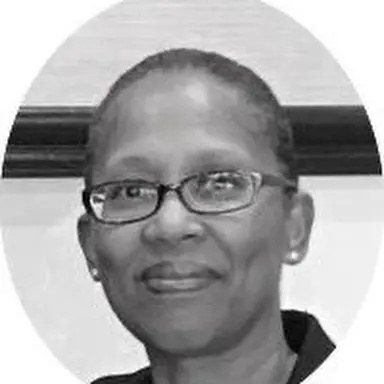
Charmaine McIntosh is a registered psychotherapist and online therapist in Ontario who works with teens and adults on anxiety, depression and stress.
Sherwood Park Therapists at a Glance
Number of therapists listed
Average years in practice
Currently accepting new clients
Therapists in Sherwood Park who prioritize treating:
How therapists see their clients
Top therapy approaches used in Sherwood Park:
Frequently Asked Questions About Testing and Evaluation
What is a psychoeducational assessment?
A psychoeducational assessment is a comprehensive evaluation conducted by a psychologist that measures cognitive abilities (IQ), academic achievement, memory, attention, processing speed, and executive functioning to identify learning disabilities, ADHD, and other cognitive or neurological differences that affect learning. The assessment typically takes several hours across one or more appointments and concludes with a written report that includes diagnosis, explanation of results, and specific recommendations for school accommodations and supports.
Who should consider educational or psychological testing?
Testing is worth considering for children or adults who experience persistent difficulties in reading, writing, math, attention, memory, or learning that are not explained by limited instruction or opportunity; for people seeking accommodations for standardized testing (LSAT, MCAT, professional exams) or postsecondary education; for children not making expected progress despite intervention; for adults who suspect they have undiagnosed ADHD or learning disabilities; and for anyone needing a clear diagnostic picture to guide treatment and supports.
What happens during a psychoeducational evaluation?
A psychoeducational evaluation typically involves an intake interview gathering developmental, educational, and medical history; standardized testing sessions (usually 3–6 hours total) using validated instruments measuring cognitive ability, academic achievement, attention, processing, and memory; a review of background records, school reports, and previous assessments; and a feedback session presenting the results and written report. The psychologist explains the findings in plain language and discusses what they mean for the person's daily life and what supports would help.
What conditions can psychological testing identify?
Psychological testing can identify learning disabilities (dyslexia, dyscalculia, dysgraphia), ADHD, intellectual disabilities, giftedness, processing deficits (auditory or visual processing difficulties), autism spectrum disorder, traumatic brain injury effects, and cognitive changes associated with aging or neurological conditions. Comprehensive assessments can also identify co-occurring emotional or behavioural conditions that are affecting learning and functioning alongside cognitive differences.
How do I access testing and evaluation services in Canada?
Psychoeducational assessments in Canada are conducted by registered psychologists. Publicly funded assessments may be available through school boards (for children), hospital programs, or community mental health services — wait times can be long. Many families and adults access private assessments, which cost $2,000–$4,000 depending on the scope and provider. Some extended health benefit plans cover partial costs. Theralist lists psychologists who offer testing and evaluation services; filtering by this speciality will show assessors in your area.