Autism Therapists in Dieppe, NB
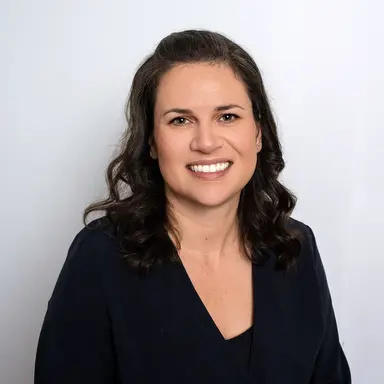
Jennifer Ference-Belhomme
Registered Clinical Psychologist
I specialize in assessing and treating developmental challenges in children, adolescents, and in some cases, young adults. I have experience diagnosing Autism Spectrum Disorder (ASD), ADHD, Learning Disabilities, and Intellectual Disabilities, amongst other challenges that present in children/adolescents, including medical conditions (e.g., chronic pain, Tourette's syndrome) and sleep challenges.

Emma Laughlan
Registered Psychotherapist (Qualifying)
I work with children (10+), teens, and adults who feel anxious, overwhelmed, or exhausted by the pressure to get everything “right.” You may be stuck in overthinking, people‑pleasing, panic symptoms, health anxiety, or relationship patterns that leave you doubting yourself. On the outside, you might appear high‑achieving and capable. Inside, you feel tense, self‑critical, or never quite enough.
Heart & Mind Psychotherapy
Psychotherapy
A neurodivergent, 2SLGBTQIA+ safe and inclusive space, with special understanding for those with barriers! Heart & Mind Psychotherapy....... where we can develop a relationship to support your mental, physical and spiritual well-being!
How do therapists in Dieppe, NB compare?
Number of therapists listed
Average years in practice
Currently accepting new clients
Therapists in Dieppe, NB who prioritize treating:
How therapists see their clients
Top therapy approaches used in Dieppe, NB:
Frequently Asked Questions About Autism
What role does therapy play for autistic individuals?
Therapy for autistic children, adolescents, and adults can address a wide range of goals — from managing co-occurring mental health conditions like anxiety and depression, to building social communication skills, navigating sensory challenges, processing identity, and supporting life transitions. Importantly, good autism-informed therapy respects autistic identity and neurodiversity, aiming to improve quality of life and wellbeing rather than to make autistic people appear neurotypical.
What types of therapy are used with autistic individuals?
A range of therapeutic approaches is used, tailored to the individual's age, profile, and goals. For younger children, Applied Behaviour Analysis (ABA), speech-language therapy, occupational therapy, and play therapy are commonly involved. For adolescents and adults, CBT adapted for autism is well-researched for anxiety and depression; DBT skills can support emotional regulation; and supportive or identity-affirming therapy addresses the unique experience of being autistic in a neurotypical world.
Can adults be diagnosed with autism and access therapy?
Yes — autism is increasingly being diagnosed in adults, including many who went undiagnosed for decades, particularly women and non-binary people who may have learned to mask autistic traits. An adult diagnosis can be clarifying and validating, and opens the door to more targeted therapy and support. You do not need a formal diagnosis to work with a therapist who has autism expertise — many people access support based on self-identification or a working clinical understanding.
What should I look for in a therapist for autism?
Look for a therapist with experience working with autistic clients and who takes a neurodiversity-affirming approach — one that views autism as a different neurological profile rather than a deficit to be corrected. Ask about their familiarity with autism-specific challenges (sensory sensitivities, social communication differences, executive functioning) and whether they have experience adapting therapy to meet autistic clients' needs. Direct communication style and predictable session structure are often helpful.
Does therapy for autism focus on "fixing" autistic traits?
Ethical, neurodiversity-affirming therapy does not aim to eliminate autistic traits or make autistic people appear more neurotypical. Instead, it focuses on reducing genuine distress, supporting the development of skills the individual actually wants to develop, and building self-understanding and self-acceptance. The autistic community has increasingly called for therapy models that centre autistic wellbeing and identity, and many therapists in Canada have embraced this approach.