Parent-Child Interaction (PCIT) Therapists in Chestermere, AB

Verified by Theralist
Verified and in good standing. Last verified Nov 17, 2026
Verification confirms registration only, not fit or quality of care.
How verification worksRegistered Psychotherapist (Qualifying)
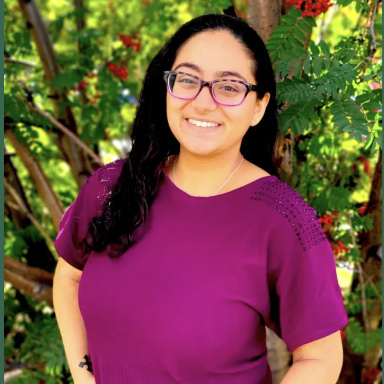
Mara Behan is an online therapist in Ontario and registered psychotherapist (qualifying) focused on infidelity, divorce and infertility.
Verified by Theralist
Verified and in good standing. Last verified Nov 20, 2026
Verification confirms registration only, not fit or quality of care.
How verification worksRegistered Provisional Psychologist
Melanie Naguib is a registered provisional psychologist and therapist in Edmonton who helps adults with grief, anxiety and depression using CBT, DBT and EMDR.
Chestermere Therapists at a Glance
Number of therapists listed
Average years in practice
Currently accepting new clients
Therapists in Chestermere who prioritize treating:
How therapists see their clients
Top therapy approaches used in Chestermere:
Frequently Asked Questions About Parent-Child Interaction (PCIT)
What is Parent-Child Interaction Therapy (PCIT)?
Parent-Child Interaction Therapy (PCIT) is an evidence-based treatment for young children (typically ages 2–7) with behavioural problems, developed by Sheila Eyberg. It involves coaching parents in real time during play with their child, using a one-way mirror and earpiece or live video coaching. PCIT has two phases: Child-Directed Interaction (CDI), which focuses on strengthening the parent-child relationship, and Parent-Directed Interaction (PDI), which teaches consistent, effective discipline skills. Both the relationship and the discipline are explicitly targeted.
What does PCIT treat?
PCIT has strong evidence for oppositional defiant disorder (ODD), conduct problems, ADHD (particularly for reducing oppositional behaviour), anxiety in young children, and the behavioural and relational effects of early maltreatment and trauma. It has been adapted for foster and adoptive families, children who have experienced abuse, and diverse cultural populations. PCIT improves both the child's behaviour and the parent-child relationship.
How is PCIT different from typical parenting programs?
Unlike group parenting education programs that teach skills in a classroom, PCIT involves live, real-time coaching with the actual parent-child dyad. The therapist observes live interactions and provides immediate feedback and coaching through an earpiece (or by direct coaching in the room), allowing parents to practice new skills in the moment and receive immediate correction and encouragement. This real-time practice with actual interactions — not role-plays — is central to PCIT's effectiveness.
What does the child-directed phase of PCIT involve?
The Child-Directed Interaction (CDI) phase focuses on building a warm, secure parent-child relationship. Parents learn to "PRIDE" skills — Praising specifically, Reflecting child's speech, Imitating play, Describing behaviour, and Enjoying the interaction — while following the child's lead in play. They also learn to avoid criticism, commands, and questions during CDI. Parents practice these skills daily for 5 minutes (Special Time) between sessions and must demonstrate mastery (observable in coded observations) before moving to the PDI phase.
How many sessions does PCIT take?
PCIT uses a mastery-based model — rather than a fixed number of sessions, treatment continues until the parent meets mastery criteria in both CDI and PDI phases. This typically takes 12–20 sessions (often weekly) depending on the severity of the problem and the parent's practice. PCIT is considered one of the most intensive evidence-based early interventions available, with substantial effect sizes and long-lasting outcomes. Availability of trained PCIT therapists varies by region in Canada.