Motivational Interviewing Therapists in Chestermere, AB

Verified by Theralist
Verified and in good standing. Last verified Nov 5, 2026
Verification confirms registration only, not fit or quality of care.
How verification worksRegistered Psychotherapist
Mackenzie Fournier, a registered psychotherapist and therapist in Ontario, works online with teens and adults on anxiety and eating disorders using CBT.

Verified by Theralist
Verified and in good standing. Last verified Nov 11, 2026
Verification confirms registration only, not fit or quality of care.
How verification worksRegistered Psychotherapist (Qualifying), MA, BA
Hope Raine is a registered psychotherapist (qualifying) and therapist in Ontario, seeing adults online for anxiety, ADHD and postpartum concerns.

Verified by Theralist
Verified and in good standing. Last verified Nov 20, 2026
Verification confirms registration only, not fit or quality of care.
How verification worksRegistered Provisional Psychologist
Connor O'Reilly is a registered provisional psychologist and therapist in Edmonton who works with adults on addiction and trauma, using CBT and EMDR.

Verified by Theralist
Verified and in good standing. Last verified Nov 6, 2026
Verification confirms registration only, not fit or quality of care.
How verification worksNurse Practitioner
Stacy Recalla is a nurse practitioner and therapist in Ontario offering online ADHD assessments and medication management for ages 6 and up.

Holistic Psychotherapist, Hypnotherapist & Transformational Coach
Alexandra Vartosu is an online psychotherapist in Alberta working with adults on anxiety, depression and emotional dysregulation, using DBT and CBT.
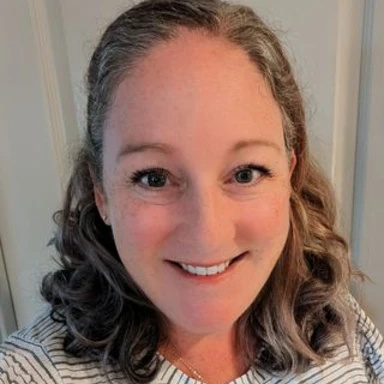
Verified by Theralist
Verified and in good standing. Last verified Nov 12, 2026
Verification confirms registration only, not fit or quality of care.
How verification worksPsychiatric Nurse Practitioner, NP-PHC, ADHD-SP, MScN
Heather Wesselo is a psychiatric nurse practitioner and therapist in Alberta offering online ADHD and autism support for teens and adults.
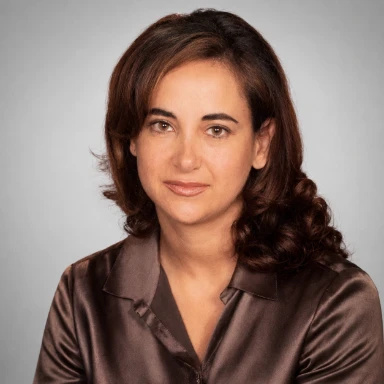
Verified by Theralist
Verified and in good standing. Last verified Nov 16, 2026
Verification confirms registration only, not fit or quality of care.
How verification worksCounselling Therapist, RTC • OCD & Anxiety
Sanaa Sanjad is an RTC counselling therapist in Alberta focused on OCD and anxiety, using CBT and ERP with teens and adults online or in person.

Registered Social Worker
Lindsey Dudgeon is a registered social worker and therapist in Edmonton, Alberta, with 15 years of practice in grief, infertility, anxiety and trauma.

Verified by Theralist
Verified and in good standing. Last verified Nov 5, 2026
Verification confirms registration only, not fit or quality of care.
How verification worksRegistered Psychologist
Coltan Thompson is a registered psychologist and therapist in Edmonton who works with 2SLGBTQI+ people on anxiety, depression and trauma, with teens and adults.
Verified by Theralist
Verified and in good standing. Last verified Nov 12, 2026
Verification confirms registration only, not fit or quality of care.
How verification worksRegistered Therapeutic Counsellor RTC
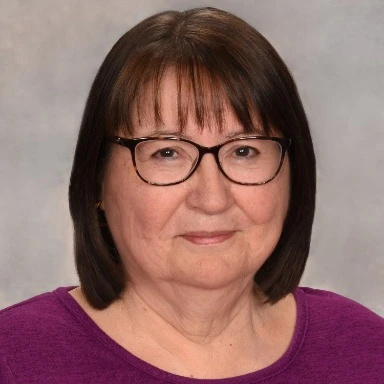
Edna Mitander is a registered therapeutic counsellor (RTC) and therapist in Yukon. Works online with adults and elders on grief and depression.

Verified by Theralist
Verified and in good standing. Last verified Nov 17, 2026
Verification confirms registration only, not fit or quality of care.
How verification worksRegistered Psychotherapist (Qualifying), Canadian Certified Counsellor (CCC)
Hazel Diaz is a registered psychotherapist (qualifying) and therapist in Ontario who works online with adults and couples on anxiety and codependency.

Verified by Theralist
Verified and in good standing. Last verified Nov 11, 2026
Verification confirms registration only, not fit or quality of care.
How verification worksRegistered Provisional Psychologist
Christina Hong is a registered provisional psychologist and therapist in Calgary, Alberta, working online and in person on anxiety, grief and trauma.

Verified by Theralist
Verified and in good standing. Last verified Nov 12, 2026
Verification confirms registration only, not fit or quality of care.
How verification worksRegistered Clinical Counsellor, Registered Social Worker, Psychotherapist, MACP, RSW, RCC, CCC
Denise Mansell is a registered clinical counsellor and therapist in Medicine Hat, Alberta, for complex grief, hospice loss, first responders and trauma.

Verified by Theralist
Verified and in good standing. Last verified Nov 5, 2026
Verification confirms registration only, not fit or quality of care.
How verification worksCounselling Therapist, CT, MTC, RCS
Melody Hazelton is a counselling therapist in Alberta who works online with adults on anxiety, trauma and relationship issues, using CBT and DBT.

Verified by Theralist
Verified and in good standing. Last verified Nov 7, 2026
Verification confirms registration only, not fit or quality of care.
How verification worksCanadian Certified Counsellor
Melanie Francis is a Canadian certified counsellor and therapist in Alberta working with teens and adults on ADHD, autism and anxiety.
Verified by Theralist
Verified and in good standing. Last verified Nov 12, 2026
Verification confirms registration only, not fit or quality of care.
How verification worksRegistered Social Worker, Mental Health Therapist, Clinical Educator
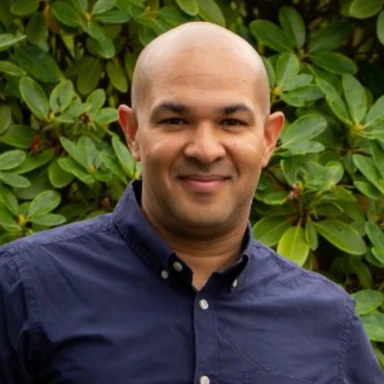
Teak Daniel is a registered social worker and therapist in British Columbia, specializing in bipolar disorder, depression and anxiety.

Verified by Theralist
Verified and in good standing. Last verified Nov 7, 2026
Verification confirms registration only, not fit or quality of care.
How verification worksRegistered Psychologist
Sarah Choudhry is a registered psychologist and therapist in Calgary, Alberta, working with adults on trauma and PTSD, grief, and anxiety using EMDR and ACT.
Verified by Theralist
Verified and in good standing. Last verified Nov 11, 2026
Verification confirms registration only, not fit or quality of care.
How verification worksRegistered Psychotherapist (Qualifying)
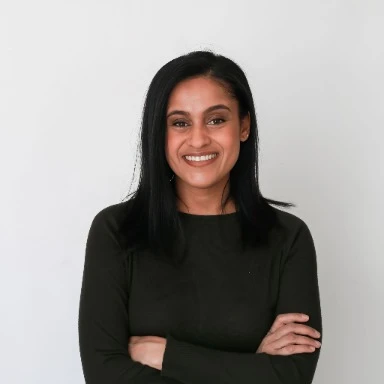
Mandeep Lalli is a registered psychotherapist (qualifying) and online therapist in Ontario, working with BIPOC adults and couples on anxiety and trauma.

Verified by Theralist
Verified and in good standing. Last verified Nov 17, 2026
Verification confirms registration only, not fit or quality of care.
How verification worksRegistered Psychotherapist (Qualifying)
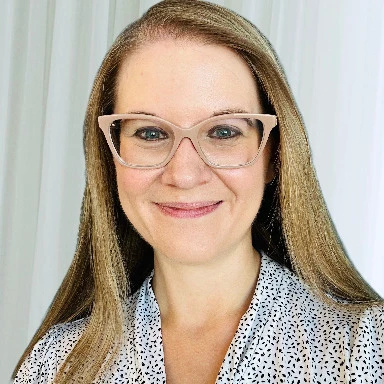
Sarah Perone is a registered psychotherapist (qualifying) and therapist in Ontario who works online with couples on infidelity and codependency.
Verified by Theralist
Verified and in good standing. Last verified Nov 5, 2026
Verification confirms registration only, not fit or quality of care.
How verification worksRegistered Psychologist
Paige Abbott is a registered psychologist and therapist in Calgary, Alberta, working with adults on substance use, codependency and relationships.
Chestermere Therapists at a Glance
Number of therapists listed
Average years in practice
Currently accepting new clients
Therapists in Chestermere who prioritize treating:
How therapists see their clients
Top therapy approaches used in Chestermere:
Frequently Asked Questions About Motivational Interviewing
What is motivational interviewing?
Motivational Interviewing (MI) is a collaborative, goal-oriented communication style developed by William Miller and Stephen Rollnick to strengthen a person's own motivation and commitment to change. MI is based on the premise that ambivalence about change is normal — people simultaneously want to change and want to stay the same — and that the therapist's role is to help the person explore and resolve this ambivalence in the direction of their own values and goals, rather than imposing change or providing advice. It is person-centred, evidence-based, and widely used in addiction treatment, health behaviour change, and mental health.
What are the core skills of motivational interviewing?
The core MI skills (OARS) are Open-ended questions (inviting exploration), Affirmations (recognizing strengths and efforts), Reflections (reflecting back what the person has said to deepen understanding), and Summaries (pulling together what has been discussed). The spirit of MI is as important as the skills: a collaborative, evocative, honouring approach that respects the person's autonomy. MI involves selectively attending to and amplifying "change talk" (the person's own arguments for change) while avoiding the righting reflex (the urge to argue for change or give advice).
What does motivational interviewing treat or help with?
MI has strong evidence for substance use disorders (alcohol, opioids, cannabis), smoking cessation, medication adherence, diet and exercise change, weight management, and engaging people who are ambivalent about treatment. It is used as a standalone treatment and as a pre-treatment "engagement" phase before other evidence-based therapies (CBT, community reinforcement approach). MI is also widely used in healthcare settings for health behaviour change.
What is the difference between motivational interviewing and advice-giving?
MI deliberately avoids advice-giving, confrontation, and persuasion — approaches that tend to increase resistance in ambivalent people. When a practitioner argues for change or lists the reasons someone should stop drinking (for example), the person often responds by articulating the reasons they shouldn't — and convincing themselves to stay the same. MI flips this: it evokes the person's own reasons for change and their own arguments, which are far more persuasive to them than arguments from an external authority.
How many sessions of motivational interviewing are needed?
MI has demonstrated efficacy in as few as 1–4 sessions. In many studies, brief MI interventions (even a single 45-minute session) produce significant effects on substance use and behaviour change. MI is often used as an engagement or pre-treatment phase before longer therapy rather than as a prolonged standalone treatment. The brevity makes it particularly valuable in primary care, emergency departments, and settings where extended contact is limited.