Men's Issues Therapists in Thompson, MB
Verified by Theralist
Verified and in good standing. Last verified Nov 16, 2026
Verification confirms registration only, not fit or quality of care.
How verification worksRegistered Therapeutic Counsellor (RTC)
Heron Payne is a registered therapeutic counsellor (RTC) and therapist in British Columbia, working online with adults and elders on trauma and PTSD.

Verified by Theralist
Verified and in good standing. Last verified Nov 17, 2026
Verification confirms registration only, not fit or quality of care.
How verification worksCertified Psychotherapist & Clinical Counsellor, CCC, HonMACP, BAPsych
Anna Gwozdz is a certified psychotherapist and therapist in Calgary, Alberta, who works with trauma, PTSD, relationship issues and family conflict.

Verified by Theralist
Verified and in good standing. Last verified Nov 9, 2026
Verification confirms registration only, not fit or quality of care.
How verification worksRegistered Psychotherapist (Qualifying)
Mairin Clarke is a registered psychotherapist (qualifying) and therapist in Oakville, Ontario, working with OCD, ADHD, anxiety and men's mental health.

Verified by Theralist
Verified and in good standing. Last verified Nov 5, 2026
Verification confirms registration only, not fit or quality of care.
How verification worksProfessional Counsellor, MPCC-Provisional designation with the Canadian Professional Counsellors Association (CPCA).
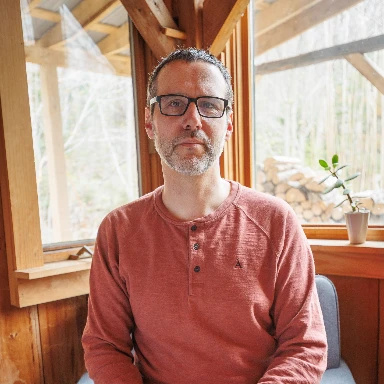
Chris Graham is a professional counsellor and therapist in Cochrane, Alberta, working with adult men and professional pilots online across Canada.
Student Therapist
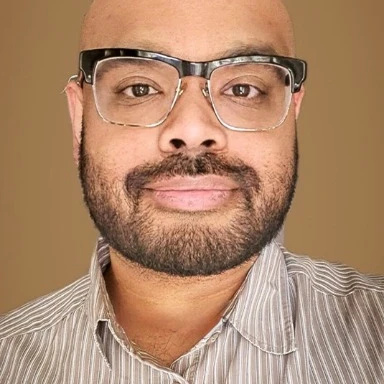
Joshua Dhanaraj is a student therapist in Calgary, Alberta, offering CBT for anxiety and grief to teens, adults and seniors, in person or online.

Verified by Theralist
Verified and in good standing. Last verified Nov 5, 2026
Verification confirms registration only, not fit or quality of care.
How verification worksRegistered Psychotherapist (Qualifying)
Elena Temelkova, a registered psychotherapist (qualifying) and therapist in Ontario, works online with couples and adults on relationship issues and trauma.
Thompson Therapists at a Glance
Number of therapists listed
Average years in practice
Currently accepting new clients
Therapists in Thompson who prioritize treating:
How therapists see their clients
Top therapy approaches used in Thompson:
Frequently Asked Questions About Men's Issues
What does men's therapy or therapy for male issues address?
Therapy focused on male issues supports men navigating challenges that are often shaped by socialization, identity, and gender expectations. Common areas include depression and anxiety (which often present differently in men), stress and burnout, relationship difficulties, fatherhood and parenting, anger management, masculinity and identity, grief, substance use, and past trauma. Men also seek therapy for general mental health support without a specific presenting problem.
Why do men often struggle to seek therapy, and how can this be addressed?
Men in Canada are significantly less likely than women to seek mental health support, often due to messages that equate emotional expression with weakness or vulnerability. Many men also experience depression and anxiety through physical symptoms — irritability, fatigue, risk-taking, or physical complaints — rather than sadness, which can delay recognition. Therapists working with men are generally trained to meet this with a direct, strengths-based approach that does not feel like being forced to talk about feelings.
Should I see a male therapist specifically?
Some men prefer working with a male therapist, particularly for topics involving masculinity, relationships, or experiences they feel a man would better understand. Others find the gender of their therapist less important than the therapist's approach, training, and whether they feel comfortable. What matters most is finding a therapist you trust and feel understood by — Theralist lets you filter by therapist gender to help you find the right fit.
What therapy approaches work well for men?
Research suggests that men often respond well to structured, goal-oriented approaches like CBT, as well as solution-focused therapy and motivational interviewing. Mindfulness-based approaches and acceptance-based therapies are also effective and may feel less focused on "processing feelings" in a way that feels unfamiliar. Many therapists working with men use a practical, collaborative style that builds skills while creating space for deeper emotional work over time.
Is online therapy a good option for men?
Yes — research and clinical experience suggest that many men find online therapy more accessible and less intimidating than in-person sessions. The ability to connect from home or an office, without a waiting room, can lower the barrier significantly. Online therapy is equally effective as in-person therapy for most concerns. Many therapists on Theralist offer virtual sessions across Canada.
Related Articles

Masculinity, the Manosphere, and Finding Your Own Definition of Strength
Confused by conflicting messages about masculinity? Discover why the manosphere resonates with men and how counselling builds grounded, healthy strength.
Chris Graham · Jul 27, 2026 · 4 min read

Why Men Have Fewer Friends Than Ever Before (And What To Do About It)
Why do men struggle to keep close friends? Discover the real reasons behind male loneliness and practical steps to rebuild lasting connection.
Chris Graham · Jul 20, 2026 · 8 min read

Loneliness Among Men: The Hidden Epidemic
Many men look fine but feel deeply alone. Discover why male loneliness stays hidden and how counselling can help you feel truly understood again.
Chris Graham · Jul 13, 2026 · 5 min read