Obsessive-Compulsive Disorder (OCD) Therapists in Fredericton, NB
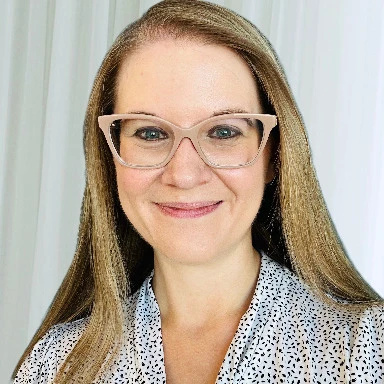
Paige Abbott
Registered Psychologist
Paige specializes in addiction recovery and individual relationship support-her specialties for over 15 years. Sana Psychological is a small team of therapists also led by Paige Abbott. We provide modern, evidence-based in person and virtual therapy services in Calgary and Alberta. We offer support for addiction, OCD, anxiety, trauma, depression, ADHD, relationships, youth, kids and more.

Dr. Marlene Taube-Schiff - Forward Thinking Psychological Services
Registered Clinical Psychologist
At Forward Thinking Psychological Services (FTPS), we provide you with warmth, compassion and tools you need to move ahead in your life and achieve your goals. Our work is evidence-based, collaborative and values-based – ensuring that every individual is a participant in their treatment and is able to become their own therapist over time. We provide treatment to individuals, couples, and families.
How do therapists in Fredericton, NB compare?
Number of therapists listed
Average years in practice
Currently accepting new clients
Therapists in Fredericton, NB who prioritize treating:
How therapists see their clients
Top therapy approaches used in Fredericton, NB:
Frequently Asked Questions About Obsessive-Compulsive Disorder (OCD)
What is OCD?
Obsessive-Compulsive Disorder (OCD) is a condition marked by persistent, unwanted thoughts (obsessions) and repetitive behaviours or mental acts (compulsions) carried out to reduce distress. It affects approximately 2–3% of Canadians and can severely disrupt work, relationships, and daily functioning. OCD is not about being organized or detail-oriented — it involves genuine suffering caused by intrusive thoughts that feel impossible to control.
What is the most effective treatment for OCD?
Exposure and Response Prevention (ERP) is the gold-standard psychological treatment for OCD, supported by decades of strong research. ERP gradually exposes you to feared situations or thoughts while helping you resist the compulsive response, breaking the anxiety cycle over time. The Canadian Psychological Association recognizes ERP-based CBT as the first-line psychological treatment for OCD across all ages.
How is OCD different from everyday worries or habits?
Most people have occasional intrusive thoughts or repetitive routines — the key difference with OCD is the level of distress and impairment they cause. OCD obsessions feel persistent, uncontrollable, and deeply upsetting; compulsions are performed to relieve anxiety, not for pleasure or preference. If unwanted thoughts or rituals are consuming more than an hour a day or meaningfully affecting your life, speaking with a therapist is a worthwhile step.
Does OCD treatment require medication?
ERP therapy alone is highly effective for many people with OCD, particularly those with mild to moderate symptoms. For moderate to severe OCD, combining ERP with medication — typically SSRIs such as fluoxetine or fluvoxamine — often produces stronger outcomes. Your therapist can help coordinate care with a physician or psychiatrist if medication appears warranted.
How many sessions does OCD therapy take?
ERP for OCD typically involves 12–20 weekly sessions, though some people benefit from more intensive formats. Because OCD can be a chronic condition, periodic maintenance sessions may help with long-term management. Progress depends on symptom severity, co-occurring conditions, and how consistently you practise ERP exercises between sessions.