Strength-Based Therapists in Fredericton, NB
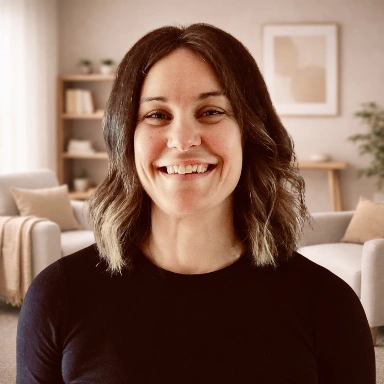
Nicole Ricketts
Licensed Counselling Therapist
Bilingual (EN/FR) Licensed Counselling Therapist (LCT) offering trauma-informed, nervous-system-aware psychotherapy for adults navigating chronic stress, overwhelm, caregiving, neurodivergence (ADHD/autism), and trauma. A calm, embodied space for regulation, safety, and meaningful change.
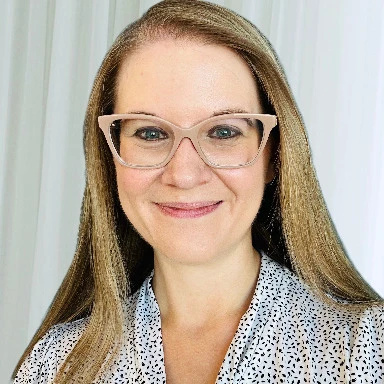
Paige Abbott
Registered Psychologist
Paige specializes in addiction recovery and individual relationship support-her specialties for over 15 years. Sana Psychological is a small team of therapists also led by Paige Abbott. We provide modern, evidence-based in person and virtual therapy services in Calgary and Alberta. We offer support for addiction, OCD, anxiety, trauma, depression, ADHD, relationships, youth, kids and more.

Emma Laughlan
Registered Psychotherapist (Qualifying)
I work with children (10+), teens, and adults who feel anxious, overwhelmed, or exhausted by the pressure to get everything “right.” You may be stuck in overthinking, people‑pleasing, panic symptoms, health anxiety, or relationship patterns that leave you doubting yourself. On the outside, you might appear high‑achieving and capable. Inside, you feel tense, self‑critical, or never quite enough.
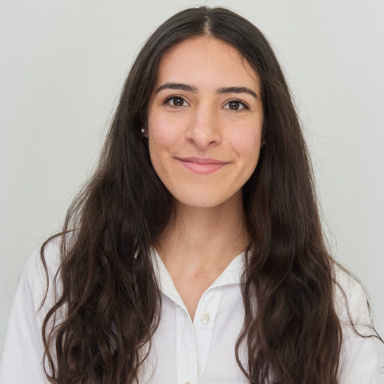
Annie Szalkai
Registered Psychotherapist
I work with adults from diverse backgrounds, supporting those navigating anxiety, stress, and self-esteem challenges. My approach is client-centred and integrative, drawing from CBT, ACT, EFIT, Solution-Focused Therapy, and more to meet each person’s unique needs.
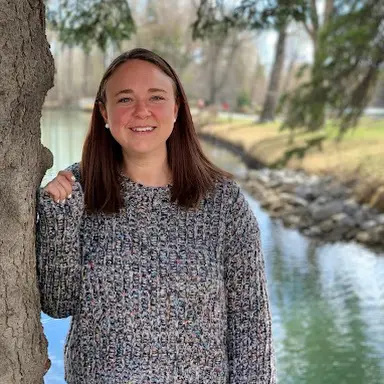
Tiffany Warren
Registered Psychologist
Hello, I’m Tiffany Warren, a Registered Psychologist in Calgary, Alberta, and the founder/director of Calgary Mental Health and Wellness Centre. With 15+ years of experience, I support children, teens, and adults through life’s challenges. As a relationship-based therapist, I believe in the power of the therapist-client connection, fostering empathy, compassion, and unconditional positive regard.

Vrushalee N
Registered Psychotherapist
I’m a Registered Psychotherapist specializing in relational trauma, narcissistic abuse, attachment wounds, identity, self-worth, and emotional regulation. My approach is trauma-informed, integrative, culturally responsive, and deeply collaborative, helping clients move beyond survival patterns toward self-trust, healthier boundaries, and meaningful change.

Kali O'Dell
RSW, MSW
I am passionate about supporting people in navigating challenges and building their strengths to facilitate sustainable change.
How do therapists in Fredericton, NB compare?
Number of therapists listed
Average years in practice
Currently accepting new clients
Therapists in Fredericton, NB who prioritize treating:
How therapists see their clients
Top therapy approaches used in Fredericton, NB:
Frequently Asked Questions About Strength-Based
What is strength-based therapy?
Strength-based therapy is an orientation in therapy that deliberately focuses on the client's existing resources, strengths, values, capabilities, and resilience — rather than primarily on pathology, deficits, and problems. It is not denial of difficulties; it is a choice to place equal or greater weight on what is working, what the person has overcome, what they value, and what they are capable of. Strength-based approaches include Solution-Focused Brief Therapy (SFBT), Positive Psychology therapy, narrative approaches, and many humanistic frameworks.
How does strength-based therapy differ from traditional approaches?
Traditional approaches often focus heavily on problems, symptoms, deficits, and what is wrong. Strength-based therapy shifts the lens: rather than "what is your problem and what caused it," it asks "what do you want to be different, what resources do you have, and what has worked before?" This is not bypassing real difficulties — it is choosing to mobilize the person's existing capacity alongside addressing their challenges. The approach is often experienced as more validating and energizing than deficit-focused approaches.
What is Solution-Focused Brief Therapy (SFBT)?
Solution-Focused Brief Therapy (SFBT) is one of the most widely researched strength-based approaches. Developed by Steve de Shazer and Insoo Kim Berg, SFBT focuses on identifying and amplifying what the client does when the problem is less present (exceptions), describing in detail what their preferred future looks like (the miracle question), and building on their existing strengths and resources. SFBT has evidence for depression, anxiety, family therapy, school settings, and diverse populations. It is brief — often 3–8 sessions.
Is a strength-based approach appropriate for serious mental health concerns?
Yes — strength-based approaches are not limited to mild concerns or wellness coaching. Identifying and mobilizing resilience and existing resources is valuable alongside evidence-based treatment for depression, anxiety, trauma, and serious mental illness. A strength-based lens does not mean ignoring suffering — it means holding both the difficulty and the capability simultaneously. For very serious presentations, strength-based approaches are most effective as part of a comprehensive treatment plan rather than as the only approach.
Who benefits most from strength-based therapy?
Strength-based therapy tends to resonate particularly with people who feel pathologized or whose sense of self-efficacy has been eroded by chronic difficulties; with people who prefer a future-focused, action-oriented approach over extended exploration of the past; with children and adolescents for whom building on strengths is developmentally appropriate; and with people from cultural backgrounds where talking about problems or expressing distress is less natural than focusing on action and solutions. The approach can be deeply empowering when done well.