Family Conflict Therapists in Paradise, NL

Anna Gwozdz - Bespoke Clinical Counselling
Certified Psychotherapist & Clinical Counsellor (CCC | HonMACP | BAPsych)
At Bespoke Clinical Counselling, Anna will take the time and care to learn who you are and what you need. She will develop a treatment plan and therapeutic approach tailored to you to ensure that your precise concerns are heard and your goals are met. Let Anna help you develop communication, boundaries, emotional regulation, self-love, and so much more. Let her join you on your path.

Vrushalee N
Registered Psychotherapist
I’m a Registered Psychotherapist specializing in relational trauma, narcissistic abuse, attachment wounds, identity, self-worth, and emotional regulation. My approach is trauma-informed, integrative, culturally responsive, and deeply collaborative, helping clients move beyond survival patterns toward self-trust, healthier boundaries, and meaningful change.
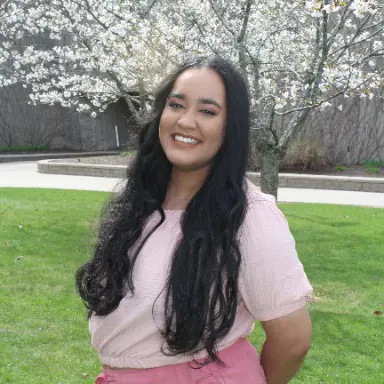
Ariel Dasrath
Registered Psychotherapist
With so many elements that shape who we are and how we navigate the world, how can we expect mental health treatment to focus on only one at a time? Creating the space for nuanced conversations, MargINs Psychotherapy focuses on culturally responsive practices, primarily catering to intersectionally marginalized populations.
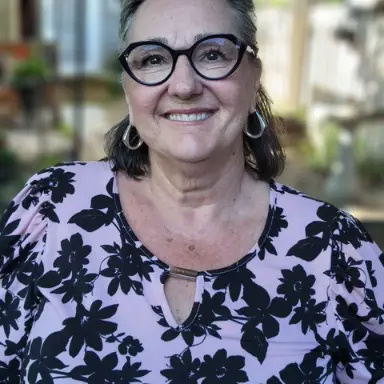
Siobhan McCarthy, MSW, RSW
Registered Individual and Family Therapist , Clinical Consultant
If you feel that you are not living your best life, your relationships are not what you hoped they would be, or the conflict in your life is not going away, perhaps it is time to talk to someone about it. Starting counselling is a brave first step and I will be there to support you through this process. Additionally, I provide supervision to Social Workers in Private Practice.
How do therapists in Paradise, NL compare?
Number of therapists listed
Average years in practice
Currently accepting new clients
Therapists in Paradise, NL who prioritize treating:
How therapists see their clients
Top therapy approaches used in Paradise, NL:
Frequently Asked Questions About Family Conflict
What kinds of family conflict can therapy help with?
Family therapy addresses a wide spectrum of conflict: communication breakdowns between parents and children, sibling rivalry, disagreements about parenting or discipline, estrangement from adult family members, conflicts arising from major transitions (divorce, remarriage, blended families, illness, death), cultural or generational differences, and the lingering effects of unresolved family-of-origin issues. A therapist helps family members understand each other's perspectives and develop healthier ways of relating.
Does the whole family need to attend therapy together?
Not necessarily. While having all relevant family members present is often most effective, therapy can begin with whoever is willing to participate. Individual therapy can also address family conflict by helping one person change how they respond and communicate, which often shifts the family dynamic even without others in the room. Your therapist may start with individual or subset sessions and expand the group as trust and readiness develop.
What approaches are used in family conflict therapy?
Family Systems Therapy examines how family roles, rules, and patterns maintain conflict and seeks to shift the system as a whole. Structural Family Therapy focuses on boundaries and hierarchy within the family. Emotionally Focused Family Therapy addresses the attachment bonds underlying conflict. Narrative Therapy helps family members re-examine problem-saturated stories and find new perspectives. Many therapists draw on a combination of these approaches based on the family's specific dynamics.
Can family therapy help when one member refuses to attend?
Yes — meaningful change is possible even when not everyone participates. Individual therapy focused on family dynamics helps you understand your role in patterns, respond differently, and set clearer limits. Sometimes when one person changes, others follow. A therapist experienced in family work can help you navigate situations where a key family member is unwilling to engage, including estrangement and one-sided reconciliation efforts.
How long does family conflict therapy typically take?
Timeline depends on the nature and duration of the conflict, the number of people involved, and the goals. Focused family therapy for a specific issue — such as a parenting disagreement or communication breakdown — may produce meaningful change in 8–12 sessions. Long-standing or complex family dynamics, particularly those rooted in intergenerational patterns or trauma, often benefit from longer-term work. Your therapist will establish goals and review progress with your family throughout.