Emotionally Focused Therapy (EFT) Therapists in Paradise, NL
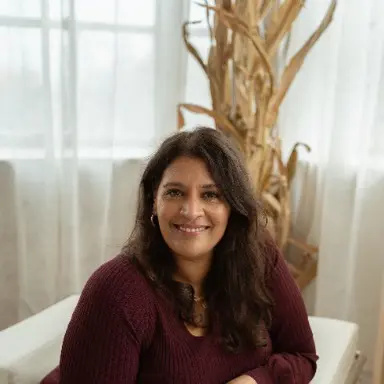
Katharine De Santos
Registered Psychotherapist
Healthy Minds Psychotherapy was founded in 2018 with the mission of providing psychotherapeutic care to individuals from diverse backgrounds, fostering resilience in each person and our community as a whole.
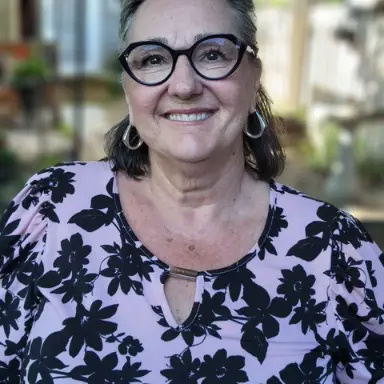
Siobhan McCarthy, MSW, RSW
Registered Individual and Family Therapist , Clinical Consultant
If you feel that you are not living your best life, your relationships are not what you hoped they would be, or the conflict in your life is not going away, perhaps it is time to talk to someone about it. Starting counselling is a brave first step and I will be there to support you through this process. Additionally, I provide supervision to Social Workers in Private Practice.

Shadan Mosavat
Clinical Counsellor, M.A, CCC.
With over 9 years of clinical experience, I support adults navigating Adult ADHD, Borderline Personality Disorder (BPD), emotional dysregulation, anxiety, and relationship challenges in Vancouver & BC. As a Registered Clinical Counsellor (CCC), I provide a warm, neurodivergent-affirming space to move past chronic shame and build lasting emotional safety.
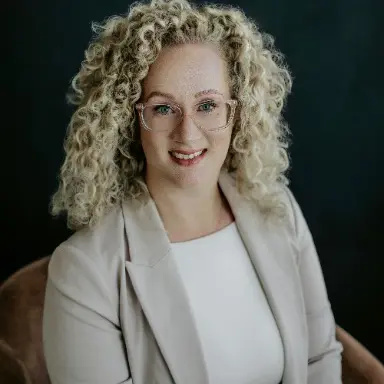
Michelle Keough
Master of Clinical Social Work, Registered Social Worker
Feeling disconnected from your partner has got you feeling discouraged and frustrated in your relationship. You're tired of having the same arguments continue to happen in your relationship with no understanding. Being stuck in conflict has lead to you feeling disconnected from your partner and is holding you back from creating a secure loving bond. You no longer need to feel alone in your rela...
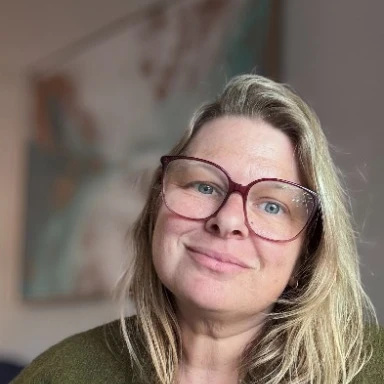
Mara Behan
Registered Psychotherapist (Qualifying)
I help couples and individuals find growth, healing, and stronger connections. Using evidence-based and individualized approaches, I support those struggling with women's health concerns (e.g., pregnancy, postpartum, perimenopause, menopause), relationship concerns (e.g., resentment, infidelity), and life transitions (e.g., separation/divorce, parenting). I offer a free 15-minute consultation!
Colombe Mazerolle
Licensed Counselling Therapist - C
Are you struggling with intense emotions that feel overwhelming, ongoing conflict or disconnection in relationships or feeling stuck in survival mode or repeating self-sabotaging patterns? I'm Colombe, therapist at Ember Counselling Therapy, and I help individuals and couples build emotional balance, heal from past pain, and create healthier relationships.

Sarah Perone
Registered Psychotherapist (Qualifying)
I help individuals and couples break painful relationship cycles so they can feel more connected, secure, and confident. I support concerns like recurrent conflict, relationship anxiety (and ROCD), limerence, and resentment. Using an attachment- and evidence-based approach, I offer warm, non-judgmental virtual therapy across Ontario. Book a free 15-minute consultation to get started.
How do therapists in Paradise, NL compare?
Number of therapists listed
Average years in practice
Currently accepting new clients
Therapists in Paradise, NL who prioritize treating:
How therapists see their clients
Top therapy approaches used in Paradise, NL:
Frequently Asked Questions About Emotionally Focused Therapy (EFT)
What is Emotionally Focused Therapy (EFT)?
Emotionally Focused Therapy (EFT) was developed by Dr. Sue Johnson and is grounded in attachment theory — the understanding that human beings have a fundamental need for close emotional bonds. EFT helps clients identify and change the negative emotional and interactional patterns that block secure connection, replacing them with more open, vulnerable, and responsive ways of relating. It is used for couples, individuals, and families, each with a specific EFT model.
What does EFT treat?
EFT for couples (EFT-C) is one of the best-researched couple interventions, with studies showing 70–75% of couples moving from distress to recovery. Emotionally Focused Individual Therapy (EFIT) addresses depression, anxiety, trauma, grief, and attachment-related concerns in individual clients. EFT with families helps address conflict and disconnection between parents and children. All applications focus on deepening emotional experience and reshaping attachment patterns.
What does an EFT session feel like?
EFT sessions are emotionally focused and relational — the therapist pays close attention to emotional signals and helps you slow down and go deeper into feelings that are often glossed over. You may be guided to notice and articulate a deeper, more vulnerable layer of feeling beneath reactive emotions like anger or withdrawal. The pace is gentle but deep, and sessions often feel different from more cognitive or skill-based therapy — more about feeling than thinking.
Is EFT only for couples?
EFT is well-known primarily as a couples therapy, but the model has been extended to individuals (EFIT) and families (EFFT). EFIT is increasingly used for individuals dealing with trauma, depression, anxiety, and relational wounds. EFFT addresses parent-child attachment and is used when adolescents and their parents are struggling with disconnection. An EFT-trained therapist can apply the approach in individual, couple, or family formats depending on your needs.
How long does EFT therapy take?
EFT for couples typically involves 8–20 sessions, depending on the severity of distress and the complexity of the issues. Individual EFT may be shorter or longer depending on the presenting concerns. EFT is generally considered a moderately long-term approach — it goes deeper than symptom-focused work and prioritizes lasting change in attachment patterns rather than quick skill acquisition. The depth of the work is what produces its strong and durable outcomes.