Positive Psychology Therapists in Gatineau, QC

Sarah Perone
Registered Psychotherapist (Qualifying)
I help individuals and couples break painful relationship cycles so they can feel more connected, secure, and confident. I support concerns like recurrent conflict, relationship anxiety (and ROCD), limerence, and resentment. Using an attachment- and evidence-based approach, I offer warm, non-judgmental virtual therapy across Ontario. Book a free 15-minute consultation to get started.

Mackenzie Fournier
Registered Psychotherapist
Hi, I’m Mackenzie! I’m a Psychotherapist who loves keeping therapy real, down-to-earth, and practical. I help people untangle patterns around anxiety, food, and self-trust using tools grounded in science. In sessions, I bring my authentic self—you can expect a mix of support, guidance, and maybe a little humour when it feels right—so we can tackle challenges together without the extra pressure.
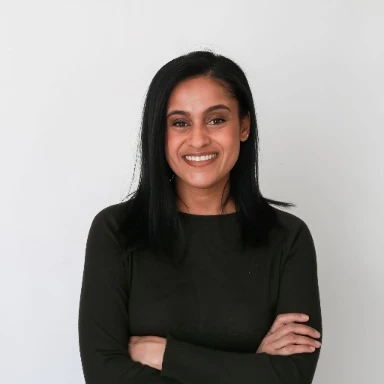
Mandeep Lalli
Registered Psychotherapist (Qualifying)
Are you feeling anxious, overwhelmed or stuck? Maybe something feels wrong? I help people navigate anxiety, depression, ADHD, trauma, and relationship struggles, with culturally sensitive care that honours your full background, including pressures others may miss. As a South Asian therapist who spent 15 years in the corporate world, I bring lived experience and real-world context to therapy.

Mara Behan
Registered Psychotherapist (Qualifying)
I help couples and individuals find growth, healing, and stronger connections. Using evidence-based and individualized approaches, I support those struggling with women's health concerns (e.g., pregnancy, postpartum, perimenopause, menopause), relationship concerns (e.g., resentment, infidelity), and life transitions (e.g., separation/divorce, parenting). I offer a free 15-minute consultation!

Paris Moaf
Registered Psychotherapist, M Psy, MSc, RP
As the founder and clinical director of Paris Mind Clinic, Paris Parastoo Moaf specializes in helping clients manage and overcome depression, anxiety, PTSD, emotional disorders, grief, and relationship issues. Using CBT, DBT, MBCT, ACT, EFT, and Adlerian Therapy, Paris Parastoo Moaf tailors sessions to your unique needs.
How do therapists in Gatineau, QC compare?
Number of therapists listed
Average years in practice
Currently accepting new clients
Therapists in Gatineau, QC who prioritize treating:
How therapists see their clients
Top therapy approaches used in Gatineau, QC:
Frequently Asked Questions About Positive Psychology
What is positive psychology and how is it used in therapy?
Positive psychology is the scientific study of what makes life worth living — examining wellbeing, strengths, meaning, engagement, and flourishing rather than focusing exclusively on illness and dysfunction. In therapy, positive psychology principles are applied through Positive Psychotherapy (PPT) and wellbeing-focused interventions that build psychological resources alongside addressing distress. It is not about toxic positivity or ignoring problems; it is about cultivating the positive conditions under which people can heal, grow, and thrive.
How is positive psychology therapy different from traditional approaches?
Traditional therapy tends to focus on identifying and resolving problems — reducing symptoms, challenging distorted thinking, or processing painful experiences. Positive psychology therapy adds a complementary focus: identifying and building on your existing strengths, cultivating positive emotions, developing meaning and purpose, and building relationships that nourish you. Research suggests that building the positive is not just a pleasant add-on but actively accelerates recovery from depression, anxiety, and burnout in ways that deficit-focused therapy alone may not achieve.
What issues is positive psychology well-suited for?
Positive psychology is particularly valuable for depression (where depleted positive affect is central), burnout and recovery from exhaustion, life transitions where identity and meaning are in question, people who are functioning but not flourishing ("languishing"), grief and post-traumatic growth, relationship enrichment, and general personal development. It is often integrated into CBT or other evidence-based approaches rather than used as a standalone therapy, allowing clients to address both symptoms and wellbeing simultaneously.
What does a positive psychology session look like?
Sessions may include identifying and reflecting on your signature character strengths (using validated tools like the VIA Survey), gratitude practices and positive emotion cultivation, exploring what gives your life meaning and purpose, building positive relationships and social connections, reviewing and building on past successes, and setting goals aligned with your values. These are not surface-level exercises — they are delivered in a therapeutic context that holds the full complexity of your experience, including pain, alongside the work of building a life worth living.
Is positive psychology therapy evidence-based?
Yes — positive psychology has a robust research foundation. Positive Psychotherapy (PPT) developed by Martin Seligman and colleagues has demonstrated effectiveness for depression in randomized controlled trials. Specific positive psychology interventions — gratitude exercises, strengths identification, best possible self visualization, and savoring practices — each have independent research support. Many therapists integrate evidence-based positive psychology techniques into broader treatment rather than using it as an exclusive approach.