Learning Disabilities Therapists in Prince Albert, SK
Verified by Theralist
Verified and in good standing. Last verified Nov 9, 2026
Verification confirms registration only, not fit or quality of care.
How verification worksCanadian Certified Counsellor
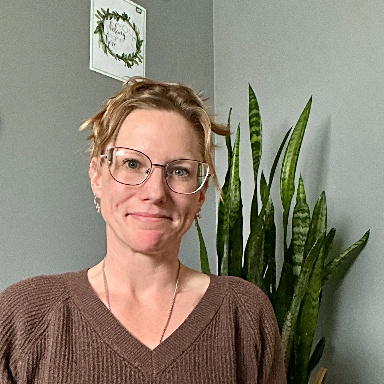
I am a person-centered, solution-focused counselling therapist dedicated to helping individuals recognize their strengths and unlock their true potential. I offer virtual counselling services, providing flexible and accessible support wherever you are. My goal is to make counselling feel approachable, supportive, and easy to integrate into your life. My work focuses on helping clients understand…

Certified Counsellor
Now accepting new clients! I provide telephone counselling support to individuals in an empathetic and compassionate way. I am here to support you as you navigate life and nurture your own ability to work through difficult circumstances. I am here to listen and understand your needs as we work together to get you back to feeling your best throughout your journey.
Prince Albert Therapists at a Glance
Number of therapists listed
Average years in practice
Currently accepting new clients
Therapists in Prince Albert who prioritize treating:
How therapists see their clients
Top therapy approaches used in Prince Albert:
Frequently Asked Questions About Learning Disabilities
What are learning disabilities?
Learning disabilities (LDs) are neurodevelopmental conditions that affect how the brain processes information, resulting in significant difficulties in specific areas such as reading (dyslexia), math (dyscalculia), or written expression (dysgraphia), despite adequate intelligence and educational opportunity. They are lifelong conditions that present differently across contexts and ages. In Canada, LDs are among the most common neurodevelopmental conditions, affecting approximately 10% of people.
How does therapy help people with learning disabilities?
Therapy for learning disabilities addresses the significant emotional and psychological burden that often accompanies LD — including anxiety, depression, low self-esteem, and shame developed through years of academic struggles. Many people with LDs internalize the message that they are "stupid" or "lazy" despite their intelligence. Therapy helps process these experiences, build a more accurate and compassionate self-concept, develop coping strategies, and navigate systems of support and accommodation. It is not remediation of the learning difficulty itself but of its psychological impact.
What is the difference between psychological assessment and therapy for learning disabilities?
Psychological assessment (psychoeducational evaluation) is an evaluation process that identifies the presence and nature of learning disabilities through standardized testing — it produces a report that can be used to access accommodations at school or work. Therapy addresses the mental health and emotional impact of having an LD. Some psychologists do both; others specialize in one. Assessment and therapy are distinct but complementary — assessment clarifies the picture; therapy supports the person in living well with what the assessment reveals.
Can adults with learning disabilities benefit from therapy?
Absolutely. Many adults with LDs were never assessed or supported adequately in school and have decades of painful experiences to process. Others are newly diagnosed as adults and are integrating a new understanding of their lifelong struggles. Therapy helps adults with LDs process grief about missed opportunities and educational experiences, build adaptive strategies for workplace and daily functioning, advocate for themselves, and develop a fuller, more compassionate understanding of who they are.
What therapy approaches work well for people with learning disabilities?
Effective therapy for people with LDs is adapted to the person's specific learning profile — which might mean more concrete examples, visual aids, handouts summarizing key points, or structured vs. open-ended formats depending on what helps the person most. CBT, ACT, and strength-based approaches are all used. Therapists experienced with LDs are skilled at making verbal therapy accessible regardless of reading or processing challenges, and at matching their communication style to the person's strengths.