Coping Skills Therapists in Prince Albert, SK
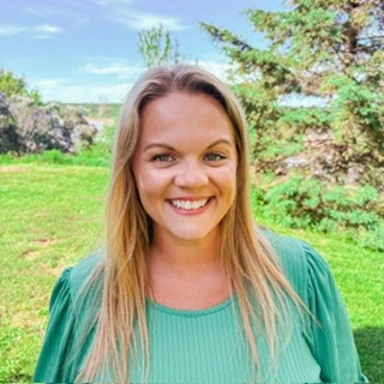
Erika Thebeau
Certified Counsellor
Now accepting new clients! I provide telephone counselling support to individuals in an empathetic and compassionate way. I am here to support you as you navigate life and nurture your own ability to work through difficult circumstances. I am here to listen and understand your needs as we work together to get you back to feeling your best throughout your journey.
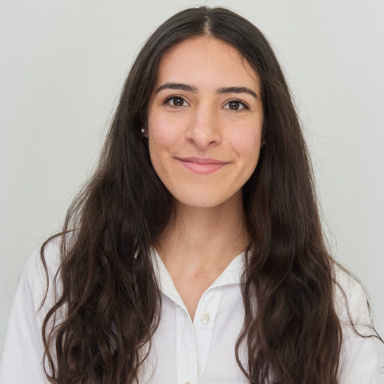
Annie Szalkai
Registered Psychotherapist
I work with adults from diverse backgrounds, supporting those navigating anxiety, stress, and self-esteem challenges. My approach is client-centred and integrative, drawing from CBT, ACT, EFIT, Solution-Focused Therapy, and more to meet each person’s unique needs.

Mabel Reimer
Registered Social Worker & DBT Therapist
I am passionate about working with highly sensitive and neurodivergent individuals who feel misunderstood and overwhelmed, using Dialectical Behavior Therapy & EMDR to foster emotional regulation & self-understanding. I offer in-person therapy in Calgary, AB and virtual sessions across Alberta & Sask. If you're looking for tangible skills to bring about real change, book a free consultation.
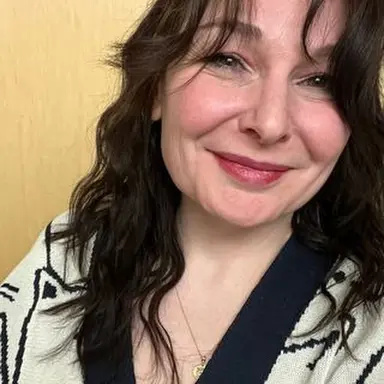
Julie Vacca
Registered Canadian Art Therapist (RCAT), Master Practitioner of Clinical Counselling (MPCC)
I have over 20 years experience working in the field of mental health and addictions. I have worked with children, youth, and adults in both inpatient and outpatient settings, schools, and First Nations communities. I offer Accelerated Resolution Therapy (ART) and specialize in Art Therapy. I use trauma informed, strength-based approaches to meet you where you're at.

Leah Dhahan
Registered Clinical Counsellor
Welcome! Are you struggling to set boundaries and speak your truth in relationships? Are you currently experiencing feelings of anxiety, anger, or powerlessness in your life or relationships? Do you find yourself struggling with painful feelings and emotions? Would you like support for childhood trauma? I am here to help…My specialties include support for the following areas: anxiety, depressio...
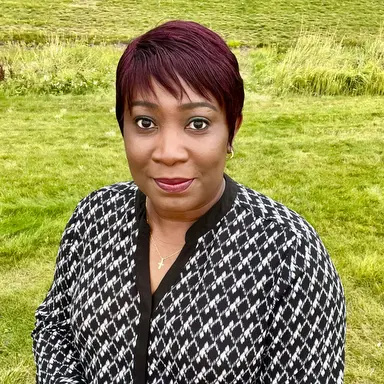
Jane Chukwujekwu, MSW
Registered Clinical Social Worker
"Maintaining a client-centred approach, I meet you where you're at, empowering you to navigate new ways of thinking that lead to a more positive life outlook and improved well-being. I am passionate about creating a safe space where you can reflect and re-evaluate, enabling you to make healthier life choices that will alleviate life stressors, leading to a more balanced and fulfilled life. My p...

Delia Bagi
EMDR Therapist
Délia Bagi, RP(Q) is a warm, intuitive EMDR therapist who specializes in helping self-aware people finally feel the change they've long understood. With expertise in anxiety, trauma, and relationships, she blends EMDR, CBT, and mindfulness into a thoughtful, unhurried approach - creating real, lasting shifts between sessions, not just during them.
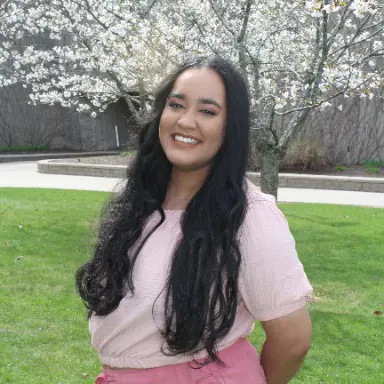
Ariel Dasrath
Registered Psychotherapist
With so many elements that shape who we are and how we navigate the world, how can we expect mental health treatment to focus on only one at a time? Creating the space for nuanced conversations, MargINs Psychotherapy focuses on culturally responsive practices, primarily catering to intersectionally marginalized populations.
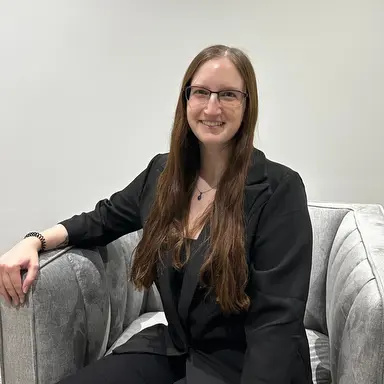
Melanie Zimerman
Canadian Certified Counsellor
I provide counselling to individuals aged 10 and above as well as I offer sessions in both English and Spanish. I have experience working with individuals who struggle with anxiety, trauma and PTSD, stress, low self-esteem, relationship issues, BPD, and more. I offer an integrative approach consisting of finding what is best suited for you and your needs. This includes Cognitive-Behaviour Therap…

Abby Tait
Registered Psychotherapist (Qualifying)
You might come to therapy feeling stuck in familiar patterns - ways of coping, thinking, or relating that once made sense but now feel hard to shift. You may be thoughtful and self-aware, yet find yourself overthinking, avoiding certain emotions, or feeling disconnected from who you are or where you’re headed. Questions about identity, values, and purpose often sit quietly underneath these experi…
How do therapists in Prince Albert, SK compare?
Number of therapists listed
Average years in practice
Currently accepting new clients
Therapists in Prince Albert, SK who prioritize treating:
How therapists see their clients
Top therapy approaches used in Prince Albert, SK:
Frequently Asked Questions About Coping Skills
What are coping skills and why do they matter?
Coping skills are the strategies we use to manage stress, difficult emotions, and challenging situations. Some coping strategies are adaptive — exercise, seeking support, problem-solving, mindfulness — while others are maladaptive — avoidance, substance use, self-harm, rumination — providing short-term relief but creating longer-term problems. Therapy focused on coping skills helps you identify which strategies you currently use, understand their effects, and build a broader, more effective toolkit for managing life's difficulties.
What therapy approaches build coping skills?
DBT is one of the most skills-intensive therapy approaches, explicitly teaching four modules of coping skills: mindfulness, distress tolerance, emotional regulation, and interpersonal effectiveness. CBT builds problem-solving, cognitive restructuring, and behavioural activation skills. ACT develops psychological flexibility. Mindfulness-Based Stress Reduction (MBSR) teaches mindfulness as a core coping tool. Many therapists integrate skills from multiple approaches based on what is most relevant for your specific challenges.
Who benefits most from coping skills therapy?
Coping skills work benefits almost anyone experiencing stress, anxiety, depression, emotional dysregulation, or difficult life circumstances. It is particularly valuable for people who feel overwhelmed by their emotions, who rely on avoidance or unhealthy behaviours to get through hard times, who are managing chronic illness or pain, or who are going through significant life transitions. Children and adolescents also benefit greatly from learning coping skills early, before maladaptive patterns become entrenched.
What is the difference between coping skills and deeper therapy work?
Coping skills address the how of managing distress — the practical tools and strategies. Deeper therapy work addresses the why — the root causes, unresolved experiences, and underlying patterns that create the distress in the first place. Both are important: coping skills provide the stability needed to engage in deeper work, while deeper work reduces the need to rely heavily on coping strategies over time. Many effective treatments integrate both levels.
How quickly can I expect to benefit from coping skills therapy?
Coping skills can produce relatively rapid benefits — many people notice improvements in their ability to manage distress within the first few sessions as they begin applying new tools. The key is consistent practice between sessions: skills that are learned but not practised tend to be unavailable in moments of high distress. Most coping-focused therapies are short to medium term, ranging from 6 to 16 sessions, with the option to continue if deeper exploration is indicated.