Grief Therapists in Yukon
View all cities in Yukon
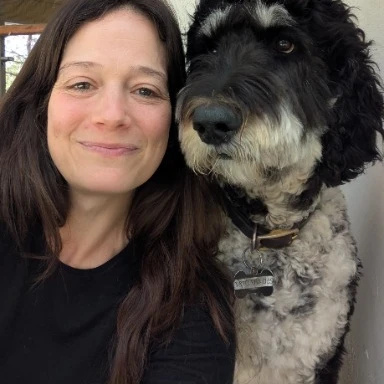
Alexandra Goodall
MA, Registered Clinical Counsellor, Somatic Psychotherapist, EMDR
Somatic. Relational. Neurobiological. I am an integrative, somatically-oriented therapist. I support clients who find themselves facing change and growth, be that in relationships, contribution/vocation, trauma recovery, intergenerational legacy, sexuality or spirituality. More at www.alexandragoodalltherapy.com and www.redkitehealing.com

Kelly Love
FIFO Mental Health Therapist | Registered Clinical Counsellor | Licensed School Psychologist
Life doesn’t always happen between 9 and 5 — and neither do stress, burnout, mental health struggles, learning differences, or major life transitions. Alfresco Therapy offers strength-based clinical counselling and school psychology services for people balancing demanding lives, high expectations, and the pressure of holding it all together. Real-world support designed for every season of life.

Leah Dhahan
Registered Clinical Counsellor
Welcome! Are you struggling to set boundaries and speak your truth in relationships? Are you currently experiencing feelings of anxiety, anger, or powerlessness in your life or relationships? Do you find yourself struggling with painful feelings and emotions? Would you like support for childhood trauma? I am here to help…My specialties include support for the following areas: anxiety, depressio...

Katharine De Santos
Registered Psychotherapist
Healthy Minds Psychotherapy was founded in 2018 with the mission of providing psychotherapeutic care to individuals from diverse backgrounds, fostering resilience in each person and our community as a whole.

Mackenzie Broomfield (she/her)
Registered Social Worker
I believe that people are the experts in their own lives, and that we naturally possess everything we need to navigate this journey through life. Sometimes, though, we just need someone to walk alongside us - I can be that person.

Brittany Peddle
Registered Psychotherapist (Qualifying)
I work with individuals who are looking to overcome their trauma by learning healthier coping skills and more helpful resources, and who want to do deeper processing work to resolve and release trauma in order to let go of the past and move forward in life. I offer both support and solutions, using a client-centered approach utilizing DBT, ACT, EMDR, Somatic Therapy and other modalities.
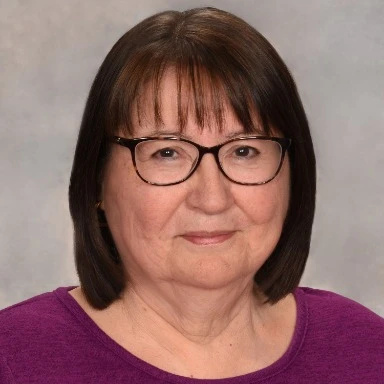
Edna Mitander
Registered Therapeutic Counsellor RTC
What is your understanding of joy and happiness? I'd like to hear your definition. Do you find it difficult to understand the suffering and challenges you face in your life? Do you still experience past trauma and feel like you're going through life on autopilot? Do you question your faith and finding yourself scrolling the internet to find answers?
How do therapists in Yukon compare?
Number of therapists listed
Average years in practice
Currently accepting new clients
Therapists in Yukon who prioritize treating:
How therapists see their clients
Top therapy approaches used in Yukon:
Frequently Asked Questions About Grief
What is grief and when does it need professional support?
Grief is the natural emotional response to loss — most commonly the death of a loved one, but also the loss of a relationship, a job, health, or a major life change. While grief is a normal human experience, professional support is helpful when grief is prolonged, intense, or significantly interfering with daily life, relationships, or the ability to function. A therapist offers a safe space to process loss at your own pace, without judgment.
What types of loss can grief therapy help with?
Grief therapy addresses a wide range of losses: the death of a parent, partner, child, sibling, or friend; pregnancy loss and infertility; the end of a significant relationship; loss of identity following illness, injury, or retirement; and disenfranchised grief — losses that may not be widely recognized, such as the death of a pet or estrangement from family. No loss is too small or too large to deserve support.
What is complicated grief and how is it treated?
Complicated grief (also called prolonged grief disorder) occurs when acute grief does not ease over time and persists with significant intensity for six months or more after a loss. It may involve intense longing, difficulty accepting the death, bitterness, or an inability to engage with life. Complicated grief is treated with specialized approaches such as Complicated Grief Treatment (CGT), which combines exposure work with strategies for rebuilding a meaningful life.
What does a grief therapy session look like?
Grief sessions are generally less structured than approaches like CBT — they are guided by what feels most present and necessary for you in each session. You might talk about the person or thing you lost, explore memories, work through difficult emotions like guilt or anger, or discuss what life looks like going forward. Your therapist's role is to witness, support, and gently help you integrate the loss into your ongoing life.
How long does grief counselling take?
There is no set timeline for grief — it is as individual as the relationship that was lost. Some people find 6–12 sessions sufficient to process a loss and find their footing; others benefit from longer-term support, particularly after sudden, traumatic, or multiple losses. Grief does not follow a linear path, and your therapist will meet you where you are rather than expecting you to follow a predictable sequence.