2SLGBTQI+ Therapists in Yukon
View all cities in Yukon

Bonnie Koehn
Registered Clinical Counsellor, Certified Canadian Counsellor
My practice is grounded in a holistic and non-pathologizing approach that is client-centered, trauma-informed, and strengths-based. I offer authentically compassionate and accepting therapy so you can feel free to be yourself. My clients attend virtual therapy from their preferred location- whether that’s the comfort of home, a walk in the park, or over lunch break at work.

Therapy Collective
Registered Psychologist/Counselling Therapist/Certified Counsellor
We are a group practice with psychologists, CCC's, CT's, and a therapy dog who offer counselling and formal psycho-educational assessments. We cover a broad range of presenting concerns for children, youth, families, couples, and individuals. We offer a variety of approaches as well: EMDR, Cognitive-Hypnotherapy, Art Therapy, Play-Based Therapy, Internal Family Systems, Attachment-Based, Somatic.
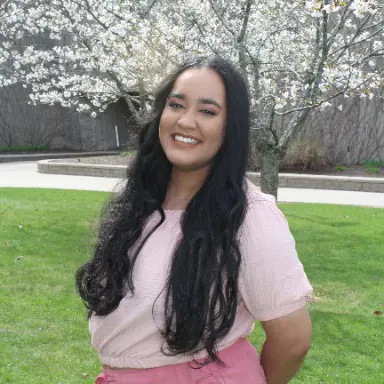
Ariel Dasrath
Registered Psychotherapist
With so many elements that shape who we are and how we navigate the world, how can we expect mental health treatment to focus on only one at a time? Creating the space for nuanced conversations, MargINs Psychotherapy focuses on culturally responsive practices, primarily catering to intersectionally marginalized populations.

Nita Agustin
Registered Clinical Counsellor (RCC), Canadian Certified Counsellor (CCC)
Alo, my name is Nita Agustin, and I go by she/they pronoun. I’m your friendly neighbourhood LGBTQ therapist based in Burnaby, BC, ready to help you find yourself on this journey called life. If you’re expecting a typical, “professional” looking counsellor, I will warn you, that’s not me. I show up the way I want my clients to show up - as my whole self. I laugh loudly. I speak openly and I e...
How do therapists in Yukon compare?
Number of therapists listed
Average years in practice
Currently accepting new clients
Therapists in Yukon who prioritize treating:
How therapists see their clients
Top therapy approaches used in Yukon:
Frequently Asked Questions About 2SLGBTQI+
What is 2SLGBTQI+ affirming therapy?
Affirming therapy creates a safe, non-judgmental space where your sexual orientation, gender identity, and relationship structure are respected and validated — not treated as problems to be fixed or changed. An affirming therapist understands the unique experiences and stressors faced by 2SLGBTQI+ people, including experiences of discrimination, family rejection, navigating coming out, and the mental health impacts of minority stress. Affirming therapy can address any mental health concern, not only those directly related to identity.
Why is finding an affirming therapist important?
Research consistently shows that 2SLGBTQI+ people experience higher rates of depression, anxiety, and suicidal ideation than the general population — not because of their identity, but because of minority stress, discrimination, and lack of acceptance. A therapist who is not affirming — or who holds biases about gender and sexuality — can cause harm, even unintentionally. An affirming therapist reduces the burden of having to explain or justify your identity, and helps you address mental health concerns in a context of full acceptance.
What specific concerns do 2SLGBTQI+ people often bring to therapy?
Common concerns include navigating coming out (to family, at work, in various communities), managing the emotional impact of discrimination or rejection, exploring gender identity or transition, relationship and family issues unique to queer experiences, internalized homophobia or transphobia, trauma from conversion practices, grief related to family estrangement, and the mental health effects of living in a world that may not fully accept who you are. Affirming therapists are equipped to support all of these areas.
What is conversion therapy and is it legal in Canada?
Conversion therapy refers to practices that attempt to change a person's sexual orientation or gender identity. It is harmful, ineffective, and has been widely condemned by medical and psychological associations including the Canadian Psychological Association and the Canadian Psychiatric Association. As of 2022, performing conversion practices on anyone is a federal criminal offence in Canada. All therapists on Theralist operate within professional and legal standards that prohibit these practices.
How do I know if a therapist is truly affirming?
Look for therapists who explicitly identify as 2SLGBTQI+ affirming or who have specific training in working with queer and trans clients. Some therapists are themselves 2SLGBTQI+ identified. In a first session, you might ask how they approach work with queer and trans clients, whether they have specific training in this area, and how they handle conversations about identity, transition, or relationships. Trust your instincts — if a therapist seems unsure, asks unnecessary questions about your identity, or frames your identity as something to be explored as a "problem," that is a sign to look elsewhere.