Transpersonal Therapists in Strathmore, AB

Melody Hazelton
Counselling Therapist
Feeling stuck, anxious, or disconnected? I’m a trauma-informed therapist specializing in somatic therapy, CBT, and ART to help you heal, build resilience, and reconnect with yourself. Whether you’re facing anxiety, trauma, or relationship struggles, I provide a safe, supportive space for growth. Online sessions make getting started easy—click to learn more and book a free consultation!

Alexandra Vartosu
Holistic Psychotherapist, Hypnotherapist & Transformational Coach
I help sensitive, introspective adults who feel anxious, overwhelmed, or stuck in old patterns return to a deeper sense of calm, clarity, and self-trust. I blend psychotherapy, hypnotherapy, mindfulness, and subconscious healing to meet what lives beneath the surface, not just the symptoms. Healing, I believe, is a return to yourself, not a reinvention.

Zarifa Andani
MPCC-P, RTC-C
This work isn’t about fixing your parts—it’s about helping you feel more like your whole self again. We can work together to slow down, get curious, and listen deeply. Our internal body wisdom is an integral source of information that speaks more significantly than words. Real change is possible when ALL of you feels safe enough to be seen and supported, just as you are.
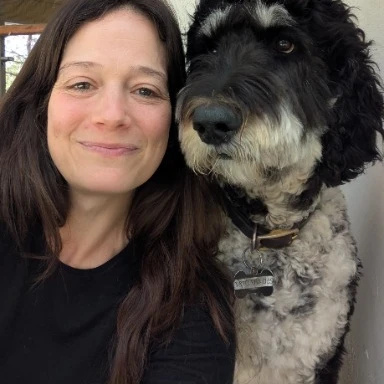
Alexandra Goodall
MA, Registered Clinical Counsellor, Somatic Psychotherapist, EMDR
Somatic. Relational. Neurobiological. I am an integrative, somatically-oriented therapist. I support clients who find themselves facing change and growth, be that in relationships, contribution/vocation, trauma recovery, intergenerational legacy, sexuality or spirituality. More at www.alexandragoodalltherapy.com and www.redkitehealing.com
How do therapists in Strathmore, AB compare?
Number of therapists listed
Average years in practice
Currently accepting new clients
Therapists in Strathmore, AB who prioritize treating:
How therapists see their clients
Top therapy approaches used in Strathmore, AB:
Frequently Asked Questions About Transpersonal
What is transpersonal therapy?
Transpersonal therapy (or transpersonal psychology) is an approach that extends beyond the personal dimensions of human experience to include spiritual, transcendent, and consciousness-expanding dimensions. Developed in the 1960s by figures including Abraham Maslow, Stanislav Grof, and Ken Wilber, it acknowledges states of consciousness, spiritual experience, and a sense of something larger than the individual self as legitimate and important aspects of human psychology — and addresses these dimensions in therapy as well as conventional psychological concerns.
What distinguishes transpersonal therapy from other approaches?
Most mainstream therapeutic approaches focus on the personal self — the individual's thoughts, emotions, history, and relationships. Transpersonal therapy explicitly engages with dimensions beyond the personal ego: mystical and spiritual experiences, peak states of consciousness, the sense of unity with something greater, near-death experiences, psychedelic experiences, shamanic or indigenous spiritual practices, and the psychological integration of transcendent states. It treats these as potentially significant, growth-promoting experiences rather than symptoms of pathology.
What issues does transpersonal therapy address?
Transpersonal therapy addresses spiritual crises ("dark nights of the soul"), the psychological integration of psychedelic experiences, near-death experiences and their aftermath, mystical experiences that create confusion or are difficult to integrate, questions of meaning and transcendence, grief and end-of-life concerns, existential emptiness, and the desire for a therapy that takes spiritual experience seriously as legitimate data. It also addresses conventional psychological concerns using a broader framework.
Is transpersonal therapy evidence-based?
Transpersonal therapy has a limited formal evidence base compared to CBT or psychodynamic therapy, partly because its subject matter is difficult to operationalize and study in standard research designs. However, related fields have growing evidence: mindfulness-based therapies, which draw on contemplative and spiritual traditions, have extensive research support. Psychedelic-assisted therapy — being researched in clinical trials — falls partly within the transpersonal tradition. Research on spirituality and mental health broadly shows positive associations between spiritual practice and wellbeing.
Who seeks transpersonal therapy?
Transpersonal therapy appeals to people for whom spiritual experience is central to their sense of identity and who want a therapist who will engage with this dimension rather than pathologize or minimize it. It is sought by people integrating significant spiritual experiences (mystical states, psychedelic experiences, near-death experiences), those experiencing spiritual emergence or crisis, those pursuing contemplative or spiritual development alongside personal healing, and people who find conventional therapy's secular frameworks insufficient for their inner life.