Prolonged Exposure Therapy Therapists in Abbotsford, BC

Katharine De Santos
Registered Psychotherapist
Healthy Minds Psychotherapy was founded in 2018 with the mission of providing psychotherapeutic care to individuals from diverse backgrounds, fostering resilience in each person and our community as a whole.
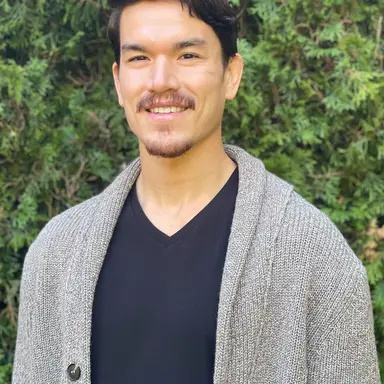
Aaron Chin
Registered Clinical Counsellor
Hi, I’m Aaron, a Registered Clinical Counsellor (RCC# 21391) practicing online, and in person for clients in Surrey, BC. I strongly believe in the power of therapy to facilitate personal growth, healing, and empowerment. My approach is rooted in empathy, respect, and collaboration, providing a safe and non-judgmental space for clients to explore their concerns.
How do therapists in Abbotsford, BC compare?
Number of therapists listed
Average years in practice
Currently accepting new clients
Therapists in Abbotsford, BC who prioritize treating:
How therapists see their clients
Top therapy approaches used in Abbotsford, BC:
Frequently Asked Questions About Prolonged Exposure Therapy
What is Prolonged Exposure (PE) therapy?
Prolonged Exposure (PE) therapy is one of the most extensively researched and evidence-based treatments for PTSD, developed by Edna Foa. It is based on emotional processing theory — the idea that PTSD is maintained by avoidance of trauma-related thoughts, feelings, and situations, and that recovery requires confronting (rather than avoiding) the traumatic memory and related triggers. PE involves two main techniques: imaginal exposure (repeatedly recounting the traumatic memory in detail, in session) and in vivo exposure (gradually approaching feared but safe situations that have been avoided since the trauma).
How does PE work?
PE works through two mechanisms: habituation (repeated activation of the fear memory without the feared consequence occurring leads to the emotional response naturally diminishing) and the disconfirmation of feared outcomes (the person learns, through repeated exposure, that the memory itself is not dangerous, that the anxiety will decrease, and that they can cope). Reviewing the recorded imaginal exposure between sessions is assigned as homework. The in vivo hierarchy addresses avoidance of safe situations that have become associated with the trauma.
Who is PE most suitable for?
PE is suitable for adults with PTSD from any type of trauma — sexual assault, combat, accidents, natural disasters, childhood abuse, and others. It is effective across diverse populations and trauma types. It may require adaptation for people with severe dissociation, active suicidality or self-harm requiring immediate attention, or active substance dependence. For people who are unable to tolerate detailed imaginal exposure, CPT (which involves less direct memory processing) or EMDR may be preferable alternatives.
What does PE treatment involve?
Standard PE is delivered over 8–15 sessions. The first two sessions involve assessment, psychoeducation about PTSD and the treatment rationale, and breathing retraining. Sessions 3 onward involve in vivo exposure practice (assigned from a hierarchy developed in session) and imaginal exposure (recounting the trauma memory aloud in session with eyes closed, followed by processing). Sessions are recorded for the client to listen to daily as homework. The therapist monitors distress and supports the client throughout.
Does PE make PTSD worse before it gets better?
Concerns about PE worsening symptoms are common but are largely not supported by research. While there may be temporary increases in distress at the beginning of exposure work, the evidence does not support the idea that PE causes lasting symptom worsening, dropout, or harm. In fact, dropout rates from PE are comparable to or lower than other therapies. The key is working with a skilled therapist who appropriately paces the exposure and maintains the client within their window of tolerance.