Racial Identity Therapists in Squamish, BC

Maya Dousti
Registered Psychotherapist
I am a BIPOC trauma therapist, and I work with a wide range of concerns including depression, anxiety, trauma, emotional dysregulation, self-esteem, life transitions, racial/cultural issues, new parenthood, identity, family and interpersonal relationships. I work eclectically, borrowing from several modalities to meet my client's needs.

Hitomi Yokota (she/her)
Registered Psychotherapist (RP)
I specialize in relationship-based trauma and anxiety. My clients come to me for relationship challenges, Anxious or Avoidant attachment styles, people-pleasing, boundaries, and childhood trauma. I provide somatic therapies, EMDR, and Attachment-based therapy based on your needs.

Ariel Dasrath
Registered Psychotherapist
With so many elements that shape who we are and how we navigate the world, how can we expect mental health treatment to focus on only one at a time? Creating the space for nuanced conversations, MargINs Psychotherapy focuses on culturally responsive practices, primarily catering to intersectionally marginalized populations.

Loretta Laurin
Registered Clinical Counsellor
I specialize in relationships, trauma, and personal growth. I am trained in Internal Family Systems (IFS), Relational Life Therapy (RLT) for couples, and Brain-Based Coaching with the Neuroleadership Institute. I offer individual and couples therapy in-person and online. As a relationship counsellor, I welcome and celebrate all relationships, including LGBTQIA2S+, polyamorous, and kink.
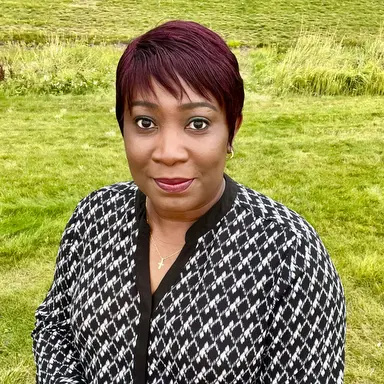
Jane Chukwujekwu, MSW
Registered Clinical Social Worker
"Maintaining a client-centred approach, I meet you where you're at, empowering you to navigate new ways of thinking that lead to a more positive life outlook and improved well-being. I am passionate about creating a safe space where you can reflect and re-evaluate, enabling you to make healthier life choices that will alleviate life stressors, leading to a more balanced and fulfilled life. My p...
How do therapists in Squamish, BC compare?
Number of therapists listed
Average years in practice
Currently accepting new clients
Therapists in Squamish, BC who prioritize treating:
How therapists see their clients
Top therapy approaches used in Squamish, BC:
Frequently Asked Questions About Racial Identity
What is racial identity and how does it relate to therapy?
Racial identity refers to how a person understands and relates to their racial and ethnic background — including their sense of belonging to a racial group, the meanings they make of their racial experiences, and how race shapes their worldview and sense of self. Racial identity is a legitimate and important focus in therapy, particularly for racialized people navigating a society where race has significant implications for how one is treated, seen, and included. Therapy can provide a space to explore these dimensions without minimization or pathologizing.
What is race-based traumatic stress?
Race-based traumatic stress (RBTS) refers to the emotional and psychological distress resulting from experiences of racism — including direct discrimination and harassment, witnessing racism against others, chronic microaggressions, and the ambient stress of living in a society where one's race places one at a disadvantage. RBTS can produce symptoms similar to PTSD: hypervigilance, avoidance, emotional numbing, and intrusive reactions. Standard trauma treatments may need to be adapted to account for the ongoing (rather than past) nature of race-based stressors.
How does racism affect mental health?
A substantial body of research documents the mental health effects of racism. Experiences of discrimination are associated with elevated rates of depression, anxiety, PTSD symptoms, and reduced wellbeing among racialized people. Internalized racism — the internalization of negative messages about one's racial group — can affect self-esteem and self-concept. The cumulative burden of navigating racial discrimination across institutions and daily life is a chronic stressor with real psychological consequences. These are systemic problems, not individual pathology.
Who benefits from racial identity-focused therapy?
Therapy with a racial identity focus can benefit racialized people processing experiences of discrimination or race-based trauma, people navigating bicultural identity or family and community expectations related to race and culture, people exploring the psychological impact of colorism, people grappling with belonging in predominantly white spaces, and anyone seeking a therapist who will understand their racial experience without requiring them to educate the therapist. It is not limited to any single racial group.
Should my therapist share my racial background?
Shared racial background can offer valuable understanding and a sense of safety — knowing you do not have to explain your experience or worry about being seen through a distorted lens. However, what matters most is that the therapist has genuine cultural humility, has done their own work on race and bias, and is able to hold your racial experience with curiosity and respect rather than minimizing or pathologizing it. A therapist of a different background who is deeply committed to anti-racist practice can serve you well; one of a shared background who has not examined their own biases may not.