Relational Therapists in St. John's, NL

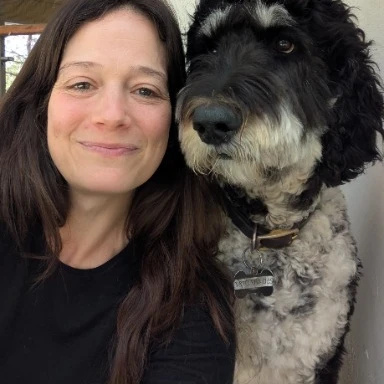
Bonnie Koehn
Registered Clinical Counsellor, Certified Canadian Counsellor
My practice is grounded in a holistic and non-pathologizing approach that is client-centered, trauma-informed, and strengths-based. I offer authentically compassionate and accepting therapy so you can feel free to be yourself. My clients attend virtual therapy from their preferred location- whether that’s the comfort of home, a walk in the park, or over lunch break at work.
Alexandra Goodall
MA, Registered Clinical Counsellor, Somatic Psychotherapist, EMDR
Somatic. Relational. Neurobiological. I am an integrative, somatically-oriented therapist. I support clients who find themselves facing change and growth, be that in relationships, contribution/vocation, trauma recovery, intergenerational legacy, sexuality or spirituality. More at www.alexandragoodalltherapy.com and www.redkitehealing.com
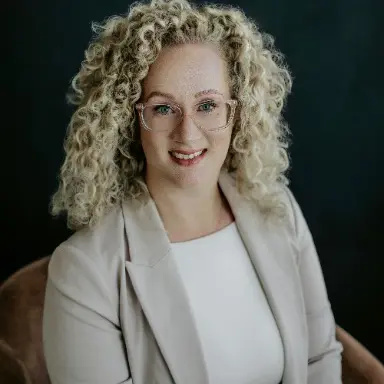
Michelle Keough
Master of Clinical Social Work, Registered Social Worker
Feeling disconnected from your partner has got you feeling discouraged and frustrated in your relationship. You're tired of having the same arguments continue to happen in your relationship with no understanding. Being stuck in conflict has lead to you feeling disconnected from your partner and is holding you back from creating a secure loving bond. You no longer need to feel alone in your rela...

Therapy Collective
Registered Psychologist/Counselling Therapist/Certified Counsellor
We are a group practice with psychologists, CCC's, CT's, and a therapy dog who offer counselling and formal psycho-educational assessments. We cover a broad range of presenting concerns for children, youth, families, couples, and individuals. We offer a variety of approaches as well: EMDR, Cognitive-Hypnotherapy, Art Therapy, Play-Based Therapy, Internal Family Systems, Attachment-Based, Somatic.

Vrushalee N
Registered Psychotherapist
I’m a Registered Psychotherapist specializing in relational trauma, narcissistic abuse, attachment wounds, identity, self-worth, and emotional regulation. My approach is trauma-informed, integrative, culturally responsive, and deeply collaborative, helping clients move beyond survival patterns toward self-trust, healthier boundaries, and meaningful change.

Katharine De Santos
Registered Psychotherapist
Healthy Minds Psychotherapy was founded in 2018 with the mission of providing psychotherapeutic care to individuals from diverse backgrounds, fostering resilience in each person and our community as a whole.

Sawah Danniels
Certified Canadian Counsellor
I'm a person-centred therapist. I offer an eclectic approach, preferring to find ways to work with who you are, how you exist in the world, and what you hope to achieve. I aim to create a cozy, comfortable and safer space for you to be yourself and get curious about what is coming up for you.

Sarah Perone
Registered Psychotherapist (Qualifying)
I help individuals and couples break painful relationship cycles so they can feel more connected, secure, and confident. I support concerns like recurrent conflict, relationship anxiety (and ROCD), limerence, and resentment. Using an attachment- and evidence-based approach, I offer warm, non-judgmental virtual therapy across Ontario. Book a free 15-minute consultation to get started.

Mara Behan
Registered Psychotherapist (Qualifying)
I help couples and individuals find growth, healing, and stronger connections. Using evidence-based and individualized approaches, I support those struggling with women's health concerns (e.g., pregnancy, postpartum, perimenopause, menopause), relationship concerns (e.g., resentment, infidelity), and life transitions (e.g., separation/divorce, parenting). I offer a free 15-minute consultation!
How do therapists in St. John's, NL compare?
Number of therapists listed
Average years in practice
Currently accepting new clients
Therapists in St. John's, NL who prioritize treating:
How therapists see their clients
Top therapy approaches used in St. John's, NL:
Frequently Asked Questions About Relational
What is relational therapy?
Relational therapy is a broad orientation in psychotherapy that places the therapeutic relationship at the centre of therapeutic change. Drawing on relational psychoanalysis, attachment theory, and interpersonal neurobiology, it understands psychological wellbeing and suffering as fundamentally relational — arising within relationships and healed within relationships. The quality of the connection between therapist and client — characterized by attunement, genuine presence, and authentic engagement — is itself therapeutic, not merely a vehicle for delivering techniques.
What distinguishes relational therapy from other approaches?
Relational therapy differs from classical psychoanalysis in acknowledging that the therapist is not a neutral blank screen — the therapist's own subjectivity is recognized and is part of the therapeutic field. It differs from CBT in that the relationship is the primary focus, not techniques. Relational therapists attend carefully to what happens in the therapeutic relationship in the moment — ruptures, repairs, moments of connection, and the enactments of the client's relational patterns within the therapy room. Authenticity and genuine contact matter more than neutrality.
What issues does relational therapy address?
Relational therapy is particularly suited to attachment difficulties, relationship patterns (repeating the same dynamics across different relationships), depression and anxiety with relational roots, the effects of early neglect or emotional unavailability (which often produce less visible but deeply felt wounds), personality difficulties, and the long-term effects of relational trauma. It is also valuable for people who have found more technique-focused therapies insufficient or who crave genuine human connection as part of their healing.
What is the role of the therapeutic relationship in relational therapy?
In relational therapy, the therapeutic relationship is not just the container for delivering treatment — it is the treatment. When a client who has been hurt in relationships encounters a therapist who is consistently attentive, honest, and genuinely caring, the experience itself begins to create new relational expectations. Ruptures in the therapeutic relationship (misattunements, misunderstandings) are important opportunities — the therapist acknowledges them and repairs them, modeling how ruptures can be repaired in ways the client may never have experienced.
Is relational therapy evidence-based?
The therapeutic alliance — the quality of the relationship between therapist and client — is one of the most robust predictors of therapy outcome across all approaches, supported by decades of research. Relational therapy is the approach most explicitly organized around this finding. While "relational therapy" as a distinct modality is harder to study in randomized trials than manualized approaches, the relational factors it prioritizes have the strongest evidence of any component of psychotherapy.