Spirituality Therapists in Leduc, AB

Elaine Cheung
Canadian Certified Counsellor, Certified Music Therapist
Elements Music Therapy & Counselling offers in person and online music therapy and counselling for mental health and brain injury in Calgary, Alberta.

Meg Lindemulder
Canadian Certified Counsellor, Counselling Therapist
Life can be a beautiful mess and a heartbreaking gift, often at the same time. When you're not sure how to navigate the challenges you're currently facing, my aim is to provide the connection and support you need to heal, grow, and thrive. My areas of specialty are Religious & Spiritual Trauma, Late-Diagnosis ADHD, Grief & Loss, Attachment Issues, and Parenting Support.
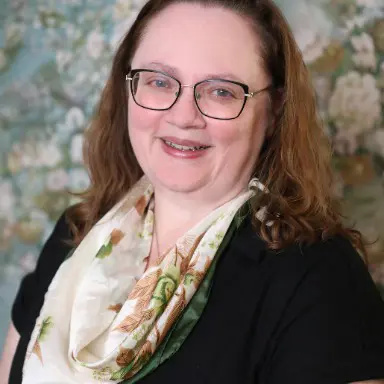
Katharine Heimbigner-Tenor
Registered Psychologist
Katharine specializes in working with adult individuals and couples who have experienced trauma and may be struggling with PTSD, C-PTSD, dissociation, somatic/body complaints, anxiety or depression. Additionally, they may be neurodivergent (ADHD, ASD, AUDHD, gifted etc.) or suspect they are. Along with counselling she also provides ADHD, PTSD, psychoeducational and other assessments.

Alexandra Vartosu
Holistic Psychotherapist, Hypnotherapist & Transformational Coach
I help sensitive, introspective adults who feel anxious, overwhelmed, or stuck in old patterns return to a deeper sense of calm, clarity, and self-trust. I blend psychotherapy, hypnotherapy, mindfulness, and subconscious healing to meet what lives beneath the surface, not just the symptoms. Healing, I believe, is a return to yourself, not a reinvention.
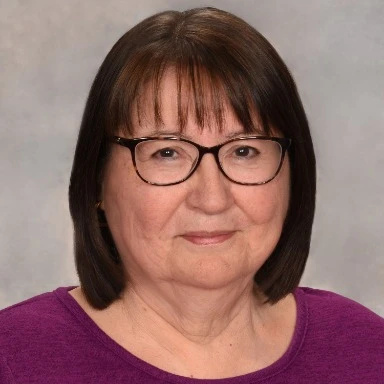
Edna Mitander
Registered Therapeutic Counsellor RTC
What is your understanding of joy and happiness? I'd like to hear your definition. Do you find it difficult to understand the suffering and challenges you face in your life? Do you still experience past trauma and feel like you're going through life on autopilot? Do you question your faith and finding yourself scrolling the internet to find answers?

Obi Ebelechukwu Ruth
Master Practitioner in Clinical Counselling-Provisional
You can call me Obi, I am a Master Practitioner In Clinical Counselling-Provisional with experience supporting individuals navigating trauma, grief, identity development, and life transitions. I believe in the strength a person possesses and I look forward to harnessing it. My work is grounded in creating a safe, steady space where clients feel seen and respected. I value ethical practice, cultur…

Tracy Kroeker
Psychologist
Hi! I'm Tracy and I’m passionate about helping individuals navigate tough times and return to living a life that is meaningful and fulfilling. I support clients struggling with symptoms of anxiety, depression, stress, burnout, relationship issues, work or school stress, insomnia/sleep issues, as well as a variety of other challenges.

Nadia Hamilton-Sadler
Registered Psychologist
Hello and welcome! I appreciate your courage taking this step to be here and I would be honoured to work with you toward meaningful change in your life. If you have been feeling anxious, overwhelmed, lost, or stuck, then please reach out. I work with adults on a wide variety of concerns including anxiety, depression, burnout, trauma, addiction, intergenerational patterns and various life tran...

Maiya Robbie
Registered Therapeutic Counsellor, Registered Expressive Arts Therapist
My approach is compassionate, curious, resourcing, arts-based and informed by my particular constellation of interests and experiences in the field of psychotherapy. I'm dedicated to helping folks navigate liminal (in-between) spaces of not knowing. Sometimes this looks like stuck-ness, or feeling at a standstill... experiencing grief, overwhelm, depression or anxiety. I'm here to help.
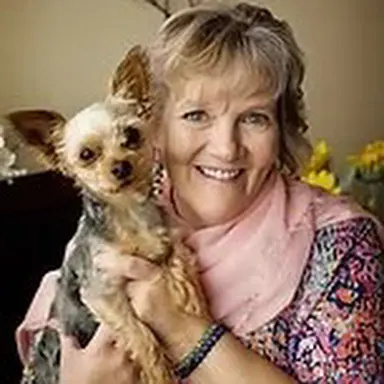
Susan Grinder
Registered Psychologist
Charis Counselling Corporation was founded in 2014 by Registered Psychologist, Susan Grinder. Susan has extensive experience working in schools and social work agencies in both Saskatchewan and Alberta. She specializes in assisting those who struggle with anxiety, bullying, depression, divorce, anger management, traumatic events, grief recovery, and social/relationship problems. Prior to receiv...
How do therapists in Leduc, AB compare?
Number of therapists listed
Average years in practice
Currently accepting new clients
Therapists in Leduc, AB who prioritize treating:
How therapists see their clients
Top therapy approaches used in Leduc, AB:
Frequently Asked Questions About Spirituality
How does spirituality intersect with mental health and therapy?
Spirituality — a sense of connection to something larger than oneself, whether through religion, nature, contemplative practice, community, or personal meaning-making — is a significant dimension of wellbeing for many people. Research consistently shows that spiritual or religious practice is associated with improved mental health outcomes, greater resilience, and lower rates of depression and anxiety. For many people, spirituality is not separate from their mental health — it is part of how they understand suffering, find meaning, and navigate life. Therapy that ignores this dimension misses something important.
What does spiritually sensitive therapy look like?
Spiritually sensitive therapy takes the client's spiritual framework seriously as a source of meaning, support, and identity rather than dismissing or pathologizing it. This means exploring how spirituality shows up in the client's life, how it helps or sometimes hinders, and how therapeutic work can engage with rather than work around spiritual beliefs and practices. It does not require the therapist to share the client's beliefs — only to approach them with genuine curiosity and respect.
Is spirituality different from religion in therapy?
Spirituality and religion overlap but are not identical. Religion typically refers to organized systems of belief, practice, and community — Christianity, Islam, Judaism, Hinduism, Buddhism, and others. Spirituality is broader — a personal sense of meaning, transcendence, or connection that may or may not be embedded in a religious tradition. Many people identify as spiritual but not religious. Therapy can engage meaningfully with both, as well as with the experience of deconstructing or leaving a religious tradition, which is its own significant psychological process.
When might spirituality be a central focus in therapy?
Spirituality may be particularly central in therapy during: spiritual crises or dark nights of the soul; deconstructing or leaving a faith tradition; religious trauma or spiritual abuse; navigating grief that raises questions of meaning and afterlife; integrating mystical or peak experiences; confronting moral injury; and for people for whom spiritual practice is a primary coping resource that has stopped working. For Indigenous clients, spirituality and culture are often inseparable dimensions that a culturally competent therapist must be able to hold.
Can therapy be harmful to someone's spiritual life?
Yes — therapy that dismisses, pathologizes, or subtly devalues a client's spiritual beliefs can cause real harm. It communicates that a core part of the person's identity and meaning-making is not welcome in the therapy room, which undermines the therapeutic relationship. A therapist who treats religious belief as a symptom of psychological difficulty — rather than exploring its functions and meanings — is not being helpful. Finding a therapist who can engage respectfully with your spiritual life, regardless of their own beliefs, is important.