Transpersonal Therapists in Maple Ridge, BC
Verified by Theralist
Verified and in good standing. Last verified Nov 12, 2026
Verification confirms registration only, not fit or quality of care.
How verification worksCounsellor, MA, MCP, RCC
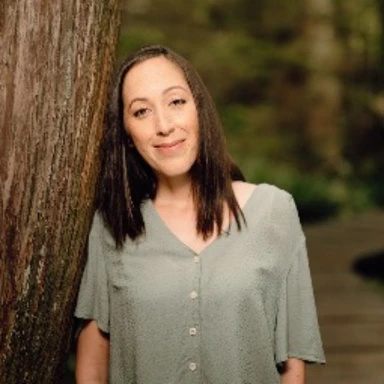
Liana Yip is an RCC counsellor and therapist in Vancouver who works with adults on grief, depression, anxiety and trauma, using a depth-oriented approach.
Verified by Theralist
Verified and in good standing. Last verified Nov 5, 2026
Verification confirms registration only, not fit or quality of care.
How verification worksRegistered Clinical Counsellor, Somatic Psychotherapist, EMDR, MA
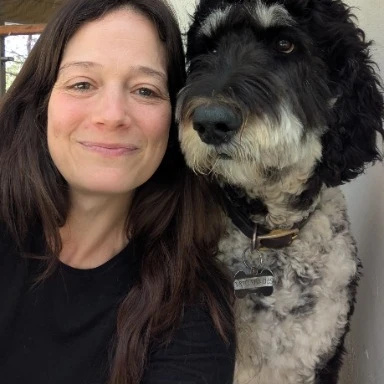
Alexandra Goodall is a registered clinical counsellor and therapist in British Columbia who works with trauma, anxiety and grief, using EMDR.

Verified by Theralist
Verified and in good standing. Last verified Nov 12, 2026
Verification confirms registration only, not fit or quality of care.
How verification worksMPCC-P, RTC-C
Zarifa Andani is an MPCC-P, RTC-C therapist in British Columbia who works online with teens, adults and couples on grief, trauma and PTSD.

Verified by Theralist
Verified and in good standing. Last verified Nov 6, 2026
Verification confirms registration only, not fit or quality of care.
How verification worksRegistered Therapeutic Counsellor | Anxiety, Overwhelm & Relationships
Deanna Smith is a registered therapeutic counsellor and therapist in Nanaimo, British Columbia, helping couples and adults with anxiety.

Verified by Theralist
Verified and in good standing. Last verified Nov 20, 2026
Verification confirms registration only, not fit or quality of care.
How verification worksRegistered Therapeutic Counsellor (RTC) and Master Practitioner in Clinical Counselling (MPCC)
Sandra Daoust is a registered therapeutic counsellor (RTC) and therapist in North Vancouver, BC, working with men, teens and adults on anxiety and trauma.

MA, Registered Therapeutic Counsellor
Wendy Bollard, a registered therapeutic counsellor and therapist in Surrey, BC, works with adults and elders on anxiety, depression, addiction and grief.
Maple Ridge Therapists at a Glance
Number of therapists listed
Average years in practice
Currently accepting new clients
Therapists in Maple Ridge who prioritize treating:
How therapists see their clients
Top therapy approaches used in Maple Ridge:
Frequently Asked Questions About Transpersonal
What is transpersonal therapy?
Transpersonal therapy (or transpersonal psychology) is an approach that extends beyond the personal dimensions of human experience to include spiritual, transcendent, and consciousness-expanding dimensions. Developed in the 1960s by figures including Abraham Maslow, Stanislav Grof, and Ken Wilber, it acknowledges states of consciousness, spiritual experience, and a sense of something larger than the individual self as legitimate and important aspects of human psychology — and addresses these dimensions in therapy as well as conventional psychological concerns.
What distinguishes transpersonal therapy from other approaches?
Most mainstream therapeutic approaches focus on the personal self — the individual's thoughts, emotions, history, and relationships. Transpersonal therapy explicitly engages with dimensions beyond the personal ego: mystical and spiritual experiences, peak states of consciousness, the sense of unity with something greater, near-death experiences, psychedelic experiences, shamanic or indigenous spiritual practices, and the psychological integration of transcendent states. It treats these as potentially significant, growth-promoting experiences rather than symptoms of pathology.
What issues does transpersonal therapy address?
Transpersonal therapy addresses spiritual crises ("dark nights of the soul"), the psychological integration of psychedelic experiences, near-death experiences and their aftermath, mystical experiences that create confusion or are difficult to integrate, questions of meaning and transcendence, grief and end-of-life concerns, existential emptiness, and the desire for a therapy that takes spiritual experience seriously as legitimate data. It also addresses conventional psychological concerns using a broader framework.
Is transpersonal therapy evidence-based?
Transpersonal therapy has a limited formal evidence base compared to CBT or psychodynamic therapy, partly because its subject matter is difficult to operationalize and study in standard research designs. However, related fields have growing evidence: mindfulness-based therapies, which draw on contemplative and spiritual traditions, have extensive research support. Psychedelic-assisted therapy — being researched in clinical trials — falls partly within the transpersonal tradition. Research on spirituality and mental health broadly shows positive associations between spiritual practice and wellbeing.
Who seeks transpersonal therapy?
Transpersonal therapy appeals to people for whom spiritual experience is central to their sense of identity and who want a therapist who will engage with this dimension rather than pathologize or minimize it. It is sought by people integrating significant spiritual experiences (mystical states, psychedelic experiences, near-death experiences), those experiencing spiritual emergence or crisis, those pursuing contemplative or spiritual development alongside personal healing, and people who find conventional therapy's secular frameworks insufficient for their inner life.