Strength-Based Therapists in Maple Ridge, BC

Verified by Theralist
Verified and in good standing. Last verified Nov 12, 2026
Verification confirms registration only, not fit or quality of care.
How verification worksPsychiatric Nurse Practitioner, NP-PHC, ADHD-SP, MScN
Heather Wesselo is a psychiatric nurse practitioner and therapist in Alberta offering online ADHD and autism support for teens and adults.
Verified by Theralist
Verified and in good standing. Last verified Nov 6, 2026
Verification confirms registration only, not fit or quality of care.
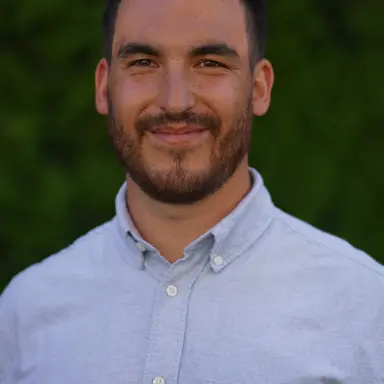
How verification worksCanadian Certified Counsellor
Tyler Fong is a Canadian certified counsellor and therapist in Victoria, British Columbia, working with teens and adults on anxiety, depression and ADHD.

Verified by Theralist
Verified and in good standing. Last verified Nov 11, 2026
Verification confirms registration only, not fit or quality of care.
How verification worksRegistered Psychotherapist (Qualifying), MACP, ADHD-SP, EMDR, HBSc (she, her)
Maya Awad is a registered psychotherapist (qualifying) and therapist in Ontario who works online with teens, adults and couples on ADHD and anxiety.

Verified by Theralist
Verified and in good standing. Last verified Nov 6, 2026
Verification confirms registration only, not fit or quality of care.
How verification worksRegistered Psychotherapist (Qualifying), MACP, EMDR, ADHD-CCSP, BA
Erin Ibrahim is a registered psychotherapist (qualifying) and online therapist in Ontario, helping teens, adults and couples with anxiety, trauma and ADHD.
Verified by Theralist
Verified and in good standing. Last verified Nov 7, 2026
Verification confirms registration only, not fit or quality of care.
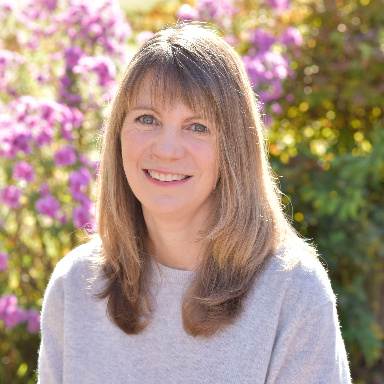
How verification worksRegistered Clinical Counsellor, Registered Psychotherapist
Caitlin Springate is a registered clinical counsellor and therapist in Vancouver, British Columbia, working with adults on anxiety and trauma.

Verified by Theralist
Verified and in good standing. Last verified Nov 11, 2026
Verification confirms registration only, not fit or quality of care.
How verification worksRegistered Psychotherapist (Qualifying)
Emily Griffin is a qualifying registered psychotherapist and online therapist in Ontario who helps teens and adults with anxiety and eating disorders.

Verified by Theralist
Verified and in good standing. Last verified Nov 16, 2026
Verification confirms registration only, not fit or quality of care.
How verification worksMPCC (Provisional), RTC Candidate
Tracy Greenough is an MPCC (provisional) and RTC candidate therapist in Chilliwack, BC, offering CBT and DBT for anxiety and trauma.

Verified by Theralist
Verified and in good standing. Last verified Nov 6, 2026
Verification confirms registration only, not fit or quality of care.
How verification worksRegistered Clinical Counsellor, Certified Canadian Counsellor
Bonnie Koehn is a registered clinical counsellor and therapist in Saskatchewan who works online with clients on trauma, PTSD and domestic abuse.

Verified by Theralist
Verified and in good standing. Last verified Nov 5, 2026
Verification confirms registration only, not fit or quality of care.
How verification worksProfessional Counsellor - B.A., RTC, CT
Sheri Sadowick is a professional counsellor and therapist in Alberta who works online with trauma and PTSD, relationship issues and stress.

Verified by Theralist
Verified and in good standing. Last verified Nov 8, 2026
Verification confirms registration only, not fit or quality of care.
How verification worksRegistered Psychotherapist (Qualifying)
Tina Pirvali is a registered psychotherapist (qualifying) in Ontario offering online couples therapy and therapy for infidelity in English and Farsi.

Verified by Theralist
Verified and in good standing. Last verified Nov 5, 2026
Verification confirms registration only, not fit or quality of care.
How verification worksRegistered Clinical Counsellor
Aaron Chin is a registered clinical counsellor and therapist in Surrey, British Columbia, using CBT and EMDR for anxiety, depression, trauma and PTSD.

Verified by Theralist
Verified and in good standing. Last verified Nov 5, 2026
Verification confirms registration only, not fit or quality of care.
How verification worksRPC, ICADC, CCAC, SAP
Robert Hammond is an RPC and therapist in Vancouver who helps adults and older adults with addiction, drug use, anxiety and depression using CBT.
Verified by Theralist
Verified and in good standing. Last verified Nov 11, 2026
Verification confirms registration only, not fit or quality of care.
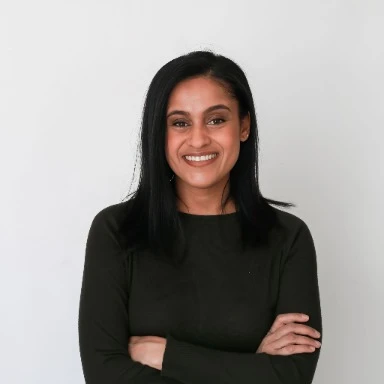
How verification worksRegistered Psychotherapist (Qualifying)
Mandeep Lalli is a registered psychotherapist (qualifying) and online therapist in Ontario, working with BIPOC adults and couples on anxiety and trauma.
Verified by Theralist
Verified and in good standing. Last verified Nov 5, 2026
Verification confirms registration only, not fit or quality of care.
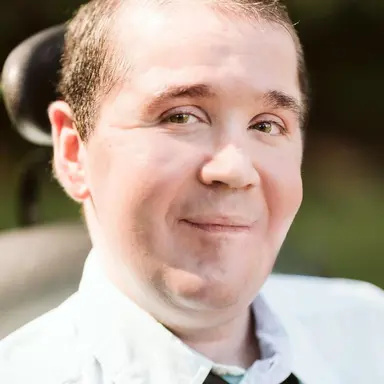
How verification worksRegistered Clinical Counsellor, MC, RCC
Ryan Yellowlees is a registered clinical counsellor and therapist in BC. Supports adults with chronic illness, chronic pain or trauma, using EMDR online.

Verified by Theralist
Verified and in good standing. Last verified Nov 5, 2026
Verification confirms registration only, not fit or quality of care.
How verification worksRegistered Clinical Counsellor, Somatic Psychotherapist, EMDR, MA
Alexandra Goodall is a registered clinical counsellor and therapist in British Columbia who works with trauma, anxiety and grief, using EMDR.

Verified by Theralist
Verified and in good standing. Last verified Nov 20, 2026
Verification confirms registration only, not fit or quality of care.
How verification worksRegistered Therapeutic Counsellor (RTC) and Master Practitioner in Clinical Counselling (MPCC)
Sandra Daoust is a registered therapeutic counsellor (RTC) and therapist in North Vancouver, BC, working with men, teens and adults on anxiety and trauma.

Verified by Theralist
Verified and in good standing. Last verified Nov 7, 2026
Verification confirms registration only, not fit or quality of care.
How verification worksRegistered Social Worker (RSW)
Hoi Shuen (Kasey) Chung is a registered social worker and therapist in British Columbia. Works online with teens and adults on anxiety and depression.

Verified by Theralist
Verified and in good standing. Last verified Nov 12, 2026
Verification confirms registration only, not fit or quality of care.
How verification worksRegistered Psychotherapist (Qualifying)
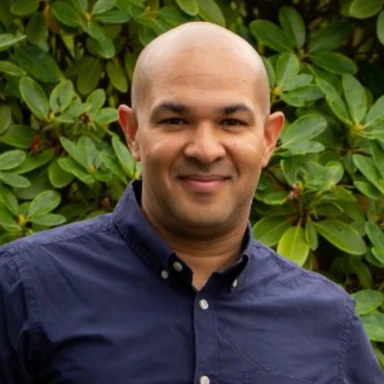
Abby Tait is a registered psychotherapist (qualifying) and therapist in Ontario who works online with adults on grief and addiction, using ACT and DBT.
Verified by Theralist
Verified and in good standing. Last verified Nov 12, 2026
Verification confirms registration only, not fit or quality of care.
How verification worksRegistered Social Worker, Mental Health Therapist, Clinical Educator
Teak Daniel is a registered social worker and therapist in British Columbia, specializing in bipolar disorder, depression and anxiety.

Verified by Theralist
Verified and in good standing. Last verified Nov 7, 2026
Verification confirms registration only, not fit or quality of care.
How verification worksMC, RCC, ADHD-CCSP, DCP(c)
Yuka Oshimi is a registered clinical counsellor and therapist in British Columbia who works online with adults on ADHD, autism, anxiety and depression.
Maple Ridge Therapists at a Glance
Number of therapists listed
Average years in practice
Currently accepting new clients
Therapists in Maple Ridge who prioritize treating:
How therapists see their clients
Top therapy approaches used in Maple Ridge:
Frequently Asked Questions About Strength-Based
What is strength-based therapy?
Strength-based therapy is an orientation in therapy that deliberately focuses on the client's existing resources, strengths, values, capabilities, and resilience — rather than primarily on pathology, deficits, and problems. It is not denial of difficulties; it is a choice to place equal or greater weight on what is working, what the person has overcome, what they value, and what they are capable of. Strength-based approaches include Solution-Focused Brief Therapy (SFBT), Positive Psychology therapy, narrative approaches, and many humanistic frameworks.
How does strength-based therapy differ from traditional approaches?
Traditional approaches often focus heavily on problems, symptoms, deficits, and what is wrong. Strength-based therapy shifts the lens: rather than "what is your problem and what caused it," it asks "what do you want to be different, what resources do you have, and what has worked before?" This is not bypassing real difficulties — it is choosing to mobilize the person's existing capacity alongside addressing their challenges. The approach is often experienced as more validating and energizing than deficit-focused approaches.
What is Solution-Focused Brief Therapy (SFBT)?
Solution-Focused Brief Therapy (SFBT) is one of the most widely researched strength-based approaches. Developed by Steve de Shazer and Insoo Kim Berg, SFBT focuses on identifying and amplifying what the client does when the problem is less present (exceptions), describing in detail what their preferred future looks like (the miracle question), and building on their existing strengths and resources. SFBT has evidence for depression, anxiety, family therapy, school settings, and diverse populations. It is brief — often 3–8 sessions.
Is a strength-based approach appropriate for serious mental health concerns?
Yes — strength-based approaches are not limited to mild concerns or wellness coaching. Identifying and mobilizing resilience and existing resources is valuable alongside evidence-based treatment for depression, anxiety, trauma, and serious mental illness. A strength-based lens does not mean ignoring suffering — it means holding both the difficulty and the capability simultaneously. For very serious presentations, strength-based approaches are most effective as part of a comprehensive treatment plan rather than as the only approach.
Who benefits most from strength-based therapy?
Strength-based therapy tends to resonate particularly with people who feel pathologized or whose sense of self-efficacy has been eroded by chronic difficulties; with people who prefer a future-focused, action-oriented approach over extended exploration of the past; with children and adolescents for whom building on strengths is developmentally appropriate; and with people from cultural backgrounds where talking about problems or expressing distress is less natural than focusing on action and solutions. The approach can be deeply empowering when done well.