Music Therapy Therapists in North Vancouver, BC
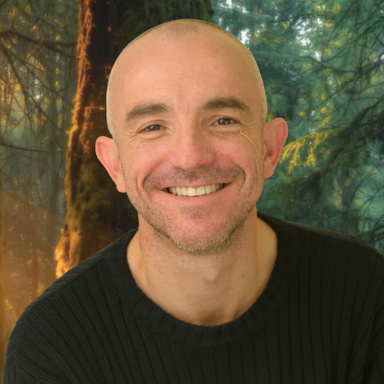
Matty Davison
RTCc
Hi, I'm Matty Davison. I'm a counsellor based in North Vancouver. I offer in-person as well as virtual therapy for anyone in Canada. I also work with the VCH outreach team on the north shore, and am a Hospice Volunteer. I help adults with grief, parents with support, children and adolescents. And I help adults struggling with depression, anxiety, relationship challenges, and life transitions.
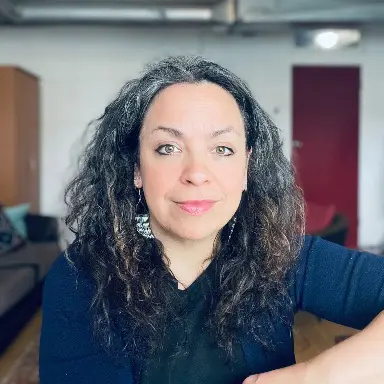
Maiya Robbie
Registered Therapeutic Counsellor, Registered Expressive Arts Therapist
My approach is compassionate, curious, resourcing, arts-based and informed by my particular constellation of interests and experiences in the field of psychotherapy. I'm dedicated to helping folks navigate liminal (in-between) spaces of not knowing. Sometimes this looks like stuck-ness, or feeling at a standstill... experiencing grief, overwhelm, depression or anxiety. I'm here to help.
How do therapists in North Vancouver, BC compare?
Number of therapists listed
Average years in practice
Currently accepting new clients
Therapists in North Vancouver, BC who prioritize treating:
How therapists see their clients
Top therapy approaches used in North Vancouver, BC:
Frequently Asked Questions About Music Therapy
What is music therapy?
Music therapy is a registered health profession in which a trained music therapist uses music-based interventions — playing instruments, singing, songwriting, improvisation, or music listening — to address physical, emotional, cognitive, social, and spiritual needs. It is distinct from music lessons and recreational music — music therapy is a clinical practice conducted within a therapeutic relationship by an accredited professional. Music therapists (MTA in Canada) complete a university degree in music therapy and are accredited by the Canadian Association for Music Therapy (CAMT).
What does music therapy treat?
Music therapy has evidence for neurological rehabilitation (stroke, traumatic brain injury, Parkinson's disease), dementia and Alzheimer's disease (improving mood, reducing agitation, supporting memory), autism (communication, social skills, emotional regulation), depression and anxiety, pain management, palliative and hospice care, trauma, and supporting premature infants in neonatal intensive care. It is used across the lifespan — with premature infants, children, adolescents, adults, and elderly populations.
Do I need to be musical to benefit from music therapy?
No — music therapy does not require any musical training or ability. The music therapist adapts activities to the individual's ability level and therapeutic goals. Even passive music listening can have therapeutic effects. People who believe they "can't sing" or "have no musical talent" regularly benefit from music therapy because the goals are therapeutic, not performative.
What does a music therapy session look like?
Music therapy sessions are individualized to the person and goal. A session might involve improvising music together on simple instruments (no skill required), songwriting about a difficult experience, listening to music that evokes memories for processing in dementia care, or using rhythmic music to cue movement in neurological rehabilitation. The therapist assesses needs and tailors activities accordingly. Sessions can be individual or group, in-person or virtual. In palliative care, live music at the bedside is common.
How do I access music therapy in Canada?
Music therapists work in hospitals, hospices, long-term care facilities, schools, rehabilitation centres, and private practice. CAMT's website has a therapist directory searchable by province. Some extended health benefit plans cover music therapy from an accredited therapist (MTA). In private practice, music therapy is accessed directly without a referral. Theralist lists music therapists among its directory of mental health professionals.