Trauma Focused Therapists in North Vancouver, BC

Verified by Theralist
Verified and in good standing. Last verified Nov 11, 2026
Verification confirms registration only, not fit or quality of care.
How verification worksRegistered Clinical Counsellor (RCC)
Melissa Andrews is a registered clinical counsellor (RCC) and therapist in Langley, BC, helping preteens, teens and adults with anxiety, ADHD and autism.

Verified by Theralist
Verified and in good standing. Last verified Nov 5, 2026
Verification confirms registration only, not fit or quality of care.
How verification worksRegistered Clinical Counsellor
Aaron Chin is a registered clinical counsellor and therapist in Surrey, British Columbia, using CBT and EMDR for anxiety, depression, trauma and PTSD.

Verified by Theralist
Verified and in good standing. Last verified Nov 12, 2026
Verification confirms registration only, not fit or quality of care.
How verification worksRegistered Psychotherapist (Qualifying)
Abby Tait is a registered psychotherapist (qualifying) and therapist in Ontario who works online with adults on grief and addiction, using ACT and DBT.

Verified by Theralist
Verified and in good standing. Last verified Nov 17, 2026
Verification confirms registration only, not fit or quality of care.
How verification worksRegistered Psychotherapist (Qualifying), Canadian Certified Counsellor (CCC)
Hazel Diaz is a registered psychotherapist (qualifying) and therapist in Ontario who works online with adults and couples on anxiety and codependency.

Verified by Theralist
Verified and in good standing. Last verified Nov 11, 2026
Verification confirms registration only, not fit or quality of care.
How verification worksRegistered Clinical Counsellor, Somatic Experiencing Practitioner
Helen Beynon is a registered clinical counsellor and therapist in Squamish, British Columbia, working with adults on trauma and anxiety.

Verified by Theralist
Verified and in good standing. Last verified Nov 11, 2026
Verification confirms registration only, not fit or quality of care.
How verification worksRegistered Psychotherapist
DeRoux Jones is a registered psychotherapist and therapist in Ontario who works with adults and teens on grief, anxiety, depression and divorce.

Verified by Theralist
Verified and in good standing. Last verified Nov 7, 2026
Verification confirms registration only, not fit or quality of care.
How verification worksRegistered Social Worker, Psychotherapist
Karina Ramdath is a registered social worker, psychotherapist and online therapist in Alberta, working with trauma, grief and eating disorders using CBT.

Verified by Theralist
Verified and in good standing. Last verified Nov 11, 2026
Verification confirms registration only, not fit or quality of care.
How verification worksClinical Counsellor (MPCC-Provisional)
Jason Ryant is a clinical counsellor and therapist in British Columbia offering online support for anxiety, depression and grief, using CBT.

Verified by Theralist
Verified and in good standing. Last verified Nov 11, 2026
Verification confirms registration only, not fit or quality of care.
How verification worksRegistered Psychotherapist (Qualifying)
Emily Griffin is a qualifying registered psychotherapist and online therapist in Ontario who helps teens and adults with anxiety and eating disorders.

Verified by Theralist
Verified and in good standing. Last verified Nov 8, 2026
Verification confirms registration only, not fit or quality of care.
How verification worksRegistered Psychotherapist (Qualifying)
Tina Pirvali is a registered psychotherapist (qualifying) in Ontario offering online couples therapy and therapy for infidelity in English and Farsi.

Verified by Theralist
Verified and in good standing. Last verified Nov 11, 2026
Verification confirms registration only, not fit or quality of care.
How verification worksRegistered Psychotherapist (Qualifying)
Emma Laughlan is a qualifying registered psychotherapist and therapist in Ontario who works online with teens and adults on anxiety, using IFS and DBT.

Verified by Theralist
Verified and in good standing. Last verified Nov 5, 2026
Verification confirms registration only, not fit or quality of care.
How verification worksRegistered Psychotherapist
Mackenzie Fournier, a registered psychotherapist and therapist in Ontario, works online with teens and adults on anxiety and eating disorders using CBT.

Verified by Theralist
Verified and in good standing. Last verified Nov 11, 2026
Verification confirms registration only, not fit or quality of care.
How verification worksRegistered Psychotherapist (Qualifying), MA, BA
Hope Raine is a registered psychotherapist (qualifying) and therapist in Ontario, seeing adults online for anxiety, ADHD and postpartum concerns.

Verified by Theralist
Verified and in good standing. Last verified Nov 12, 2026
Verification confirms registration only, not fit or quality of care.
How verification worksRegistered Therapeutic Counsellor
Raquel Nicolau is a registered therapeutic counsellor and trauma therapist in North Vancouver offering somatic therapy and EMDR for trauma and anxiety.

Verified by Theralist
Verified and in good standing. Last verified Nov 6, 2026
Verification confirms registration only, not fit or quality of care.
How verification worksRegistered Psychotherapist (Qualifying), ADHD-CCSP, MS, HBA, BA
Eleni Anagnosti, a registered psychotherapist (qualifying) and therapist in Ontario, works online with adults on ADHD, anxiety and trauma.

Verified by Theralist
Verified and in good standing. Last verified Nov 12, 2026
Verification confirms registration only, not fit or quality of care.
How verification worksRegistered Therapeutic Counsellor RTC (Candidate)
Alexandra Kozikova is a registered therapeutic counsellor candidate and therapist in North Vancouver for adults with anxiety, trauma or ADHD.

Verified by Theralist
Verified and in good standing. Last verified Nov 9, 2026
Verification confirms registration only, not fit or quality of care.
How verification worksCanadian Certified Counsellor
Tabitha Brown is a Canadian certified counsellor and therapist in Alberta offering online counselling for trauma and PTSD, using EMDR and DBT.

Verified by Theralist
Verified and in good standing. Last verified Nov 12, 2026
Verification confirms registration only, not fit or quality of care.
How verification worksMaster Practitioner in Clinical Counselling- Provisional (MPCC-p), LPC
Alicia Buck is an MPCC-p and LPC therapist in British Columbia who works online with adults on anxiety, depression and grief, and offers a sliding scale.

Verified by Theralist
Verified and in good standing. Last verified Nov 6, 2026
Verification confirms registration only, not fit or quality of care.
How verification worksRegistered Clinical Counsellor (RCC)
Eric Proulx is a registered clinical counsellor (RCC) and therapist in Vancouver, offering couples therapy for anxiety, depression, ADHD and trauma.
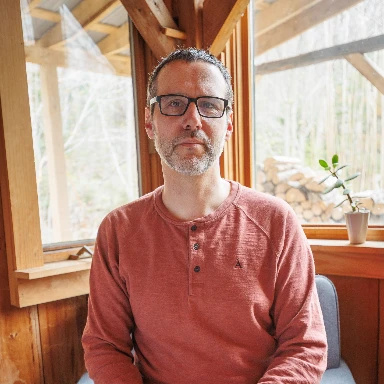
Verified by Theralist
Verified and in good standing. Last verified Nov 16, 2026
Verification confirms registration only, not fit or quality of care.
How verification worksRegistered Therapeutic Counsellor (RTC)
Heron Payne is a registered therapeutic counsellor (RTC) and therapist in British Columbia, working online with adults and elders on trauma and PTSD.
North Vancouver Therapists at a Glance
Number of therapists listed
Average years in practice
Currently accepting new clients
Therapists in North Vancouver who prioritize treating:
How therapists see their clients
Top therapy approaches used in North Vancouver:
Frequently Asked Questions About Trauma Focused
What is trauma-focused therapy?
Trauma-focused therapy refers to a family of therapeutic approaches specifically designed to address the psychological impact of traumatic experiences. Rather than only managing symptoms, these approaches help clients directly process traumatic memories, reduce their emotional intensity, and integrate them into a broader understanding of their lives. Trauma-focused therapy is indicated for PTSD, complex trauma, childhood abuse, sexual violence, accidents, grief, and many other trauma-related presentations.
How is trauma-focused therapy different from general therapy?
General therapy often addresses current functioning, coping, and emotions without directly engaging with traumatic memories. Trauma-focused therapy explicitly targets the memories, beliefs, and physiological responses connected to past trauma. It typically follows a phased approach: establishing safety and stabilization, processing traumatic material, and then integration and reconnection with life. This structure is important because jumping to trauma processing before a client has sufficient stability can be destabilizing rather than helpful.
What trauma-focused approaches are most evidence-based?
EMDR (Eye Movement Desensitization and Reprocessing), Cognitive Processing Therapy (CPT), and Prolonged Exposure (PE) therapy have the strongest research evidence for PTSD. Trauma-Focused CBT (TF-CBT) is the leading approach for children and adolescents. Somatic therapies such as Somatic Experiencing and Sensorimotor Psychotherapy, and phase-based models like EMDR-based FLASH and IFS, are also widely used for complex and developmental trauma where standard single-modality approaches may be insufficient.
How do I know if I need trauma-focused therapy rather than general therapy?
Signs that trauma-focused therapy may be particularly beneficial include: intrusive memories or flashbacks, nightmares, emotional numbness or avoidance of trauma-related reminders, hypervigilance, difficulty trusting others, significant shame, or the sense that you have tried general therapy without full resolution of symptoms. An assessment with a trauma-trained therapist can determine whether and what kind of trauma-focused work is appropriate for your presentation.
Is trauma-focused therapy safe?
When conducted by a trained therapist using an established protocol, trauma-focused therapy is safe and effective. Reputable approaches are designed to keep arousal within a manageable "window of tolerance" — avoiding both re-traumatization and emotional shutdown. Stabilization work done before processing ensures that clients have sufficient coping resources. If you feel unsafe at any point in trauma therapy, you can and should communicate this to your therapist, who will adjust the pace and approach.