Multicultural Therapists in Moncton, NB
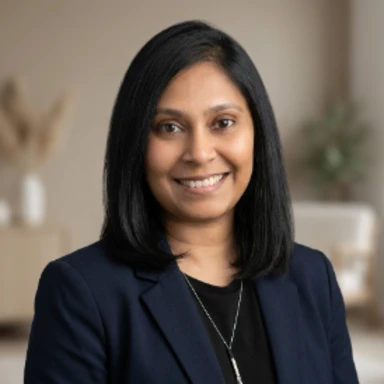
Registered Psychotherapist
I’m a Registered Psychotherapist specializing in relational trauma, narcissistic abuse, attachment wounds, identity, self-worth, and emotional regulation. My approach is trauma-informed, integrative, culturally responsive, and deeply collaborative, helping clients move beyond survival patterns toward self-trust, healthier boundaries, and meaningful change.

Registered Psychologist
Hello, I’m Tiffany Warren, a Registered Psychologist in Calgary, Alberta, and the founder/director of Calgary Mental Health and Wellness Centre. With 15+ years of experience, I support children, teens, and adults through life’s challenges. As a relationship-based therapist, I believe in the power of the therapist-client connection, fostering empathy, compassion, and unconditional positive regard.

Professional Counsellor, MPCC-Provisional designation with the Canadian Professional Counsellors Association (CPCA).
I work with pilots and men in high-pressure careers who are navigating anxiety, burnout, identity challenges, or major life transitions. Many of the people I support are looking for counselling that is practical, confidential, and respectful of their professional context. For pilots concerns about career impact, medical implications often create hesitation around seeking support.
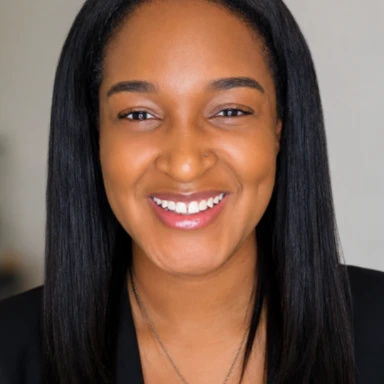
Registered Psychotherapist, qualifying
A safe, accepting, and judgement-free space for individuals to explore change, healing, and growth — through a client-centered, strengths-based approach. Virtual across Canada.
Moncton Therapists at a Glance
Number of therapists listed
Average years in practice
Currently accepting new clients
Therapists in Moncton who prioritize treating:
How therapists see their clients
Top therapy approaches used in Moncton:
Frequently Asked Questions About Multicultural
What is multicultural therapy?
Multicultural therapy (also called multicultural counselling) is a framework and orientation in therapy that recognizes the central importance of cultural background, identity, and context in shaping psychological experience, help-seeking, and the therapeutic relationship itself. It attends to dimensions including race, ethnicity, national origin, language, religion, socioeconomic status, gender, sexual orientation, disability, and other cultural identities. Multicultural competence is widely considered a core ethical obligation for all therapists in Canada's diverse society — not a specialty only some need.
Why does cultural background matter in therapy?
Culture shapes how people understand mental health, what they consider distress, how they express psychological difficulties, whether and how they seek help, what they expect from a therapeutic relationship, and how they make sense of their experiences. Western-developed models of therapy and many diagnostic systems may not fit the experiences of people from different cultural backgrounds. Ignoring cultural context can lead to misdiagnosis, inappropriate treatment, premature dropout, and harm. Culturally responsive therapy adapts to the client rather than requiring the client to adapt to the therapy model.
What is cultural humility and why does it matter?
Cultural humility refers to the therapist's ongoing commitment to self-reflection about their own cultural biases and assumptions, openness to learning from the client about their cultural experience, and recognition that the client is the expert on their own cultural context. It is distinct from cultural competence (which implies mastering a fixed body of knowledge about cultural groups, risking stereotyping). Cultural humility acknowledges that no therapist can fully know every culture and that the most important skill is the willingness to listen, learn, and be corrected.
Should I seek a therapist from my own cultural background?
There are real benefits to cultural match — shared background can reduce the explanation burden, increase trust, and provide a therapist who genuinely understands your cultural context. However, cultural match does not guarantee cultural competence or a good therapeutic fit; and a therapist from a different background who is deeply committed to cultural humility and has done their own work can be an excellent therapist for people from diverse backgrounds. Finding the right therapist involves considering both cultural background and the quality of the therapeutic relationship.
How do I find a culturally responsive therapist in Canada?
When searching for a therapist, look for those who explicitly list cultural responsiveness, multicultural counselling, or experience with your specific cultural community. Community organizations, cultural centres, and settlement services often have referral networks. Theralist allows filtering by therapists who list culturally sensitive or multicultural practice as a specialty. In an initial consultation, asking directly about a therapist's experience with your cultural background and how they think about culture in therapy will help assess fit.