Attachment-based Therapists in Moncton, NB

Cheryl Jejina
Registered Psychologist
I support adults and women navigating burnout, trauma, anxiety, and major life transitions. My approach blends evidence-based therapies like DBT and ART with somatic, mind-body work to help you move beyond insight and create real, lasting change. I work especially well with high-achievers, mothers, and those feeling overwhelmed or disconnected.

Therapy Collective
Registered Psychologist/Counselling Therapist/Certified Counsellor
We are a group practice with psychologists, CCC's, CT's, and a therapy dog who offer counselling and formal psycho-educational assessments. We cover a broad range of presenting concerns for children, youth, families, couples, and individuals. We offer a variety of approaches as well: EMDR, Cognitive-Hypnotherapy, Art Therapy, Play-Based Therapy, Internal Family Systems, Attachment-Based, Somatic.

Annie Szalkai
Registered Psychotherapist
I work with adults from diverse backgrounds, supporting those navigating anxiety, stress, and self-esteem challenges. My approach is client-centred and integrative, drawing from CBT, ACT, EFIT, Solution-Focused Therapy, and more to meet each person’s unique needs.
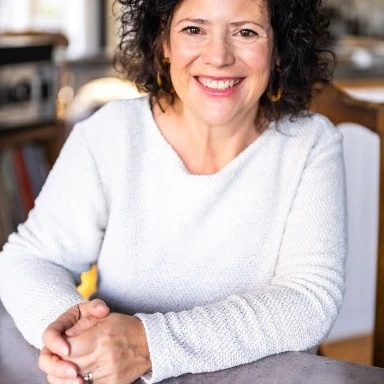
Stacey Sanderson
Registered Psychotherapist, Registered Social Worker, Subject Matter Expert
I am Subject Matter Expert in complex, relational trauma, narcissism and high conflict divorce. If you are in a toxic relationship, I can help you navigate the process while learning the powerful boundaries and strategy you need to get to the next chapter in your life feeling confident and empowered. I will help you understand the attachment patterns that are keeping you stuck.
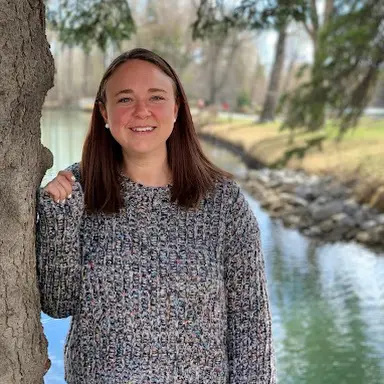
Tiffany Warren
Registered Psychologist
Hello, I’m Tiffany Warren, a Registered Psychologist in Calgary, Alberta, and the founder/director of Calgary Mental Health and Wellness Centre. With 15+ years of experience, I support children, teens, and adults through life’s challenges. As a relationship-based therapist, I believe in the power of the therapist-client connection, fostering empathy, compassion, and unconditional positive regard.

Shadan Mosavat
Clinical Counsellor, M.A, CCC.
With over 9 years of clinical experience, I support adults navigating Adult ADHD, Borderline Personality Disorder (BPD), emotional dysregulation, anxiety, and relationship challenges in Vancouver & BC. As a Registered Clinical Counsellor (CCC), I provide a warm, neurodivergent-affirming space to move past chronic shame and build lasting emotional safety.

Kali O'Dell
RSW, MSW
I am passionate about supporting people in navigating challenges and building their strengths to facilitate sustainable change.
How do therapists in Moncton, NB compare?
Number of therapists listed
Average years in practice
Currently accepting new clients
Therapists in Moncton, NB who prioritize treating:
How therapists see their clients
Top therapy approaches used in Moncton, NB:
Frequently Asked Questions About Attachment-based
What is attachment-based therapy?
Attachment-based therapy draws on attachment theory — the framework developed by John Bowlby describing how early relationships with caregivers shape our emotional development and patterns of relating throughout life. Therapists using this approach help clients understand how early attachment experiences influence their current relationships, emotional responses, and sense of self, and work to develop more secure ways of connecting with others.
What attachment styles exist and how do they affect relationships?
Research identifies four primary adult attachment styles: secure (comfortable with closeness and able to depend on others), anxious or preoccupied (craving closeness but fearful of abandonment), avoidant or dismissive (valuing independence and uncomfortable with emotional intimacy), and disorganized (a mix of longing for and fear of closeness, often related to trauma or frightening caregiving). These styles, while developed in childhood, can shift and become more secure through therapy and healthy relationships.
What conditions does attachment-based therapy help with?
Attachment-based therapy is particularly effective for relationship difficulties, anxiety, depression, trauma, grief, and personality concerns that have roots in early caregiving. It is widely used for adults who experienced neglect, emotional unavailability, abuse, or significant loss in childhood. It also supports people struggling with patterns like fear of abandonment, difficulty trusting others, chronic loneliness, or self-sabotage in relationships.
How does the therapeutic relationship itself play a role in attachment-based work?
In attachment-based therapy, the relationship between therapist and client is itself a therapeutic tool. The therapist provides a consistent, attuned, and safe relational experience — often described as a "corrective emotional experience" — that can help rewire attachment patterns developed in less secure early environments. Over time, this relationship models what secure connection feels like and helps clients internalize a more stable sense of safety with others.
How long does attachment-based therapy take?
Attachment-based therapy is typically longer-term, often ranging from one to several years, because it works with deep-rooted patterns developed over a lifetime of relational experience. Some people benefit from shorter courses of attachment-informed work for specific relationship concerns. The therapeutic relationship itself is central to the healing process, which means pace and depth are determined in collaboration with your therapist based on your history and goals.