Self Esteem Therapists in Moncton, NB

Registered Psychotherapist
I work with adults from diverse backgrounds, supporting those navigating anxiety, stress, and self-esteem challenges. My approach is client-centred and integrative, drawing from CBT, ACT, EFIT, Solution-Focused Therapy, and more to meet each person’s unique needs.

Registered Psychotherapist (Qualifying)
I provide psychotherapy to adults across Ontario who are navigating concerns such as anxiety, stress, burnout, perfectionism, relationship concerns, self-esteem, and life transitions. My approach is collaborative and individualized, with sessions focused on understanding your experiences and working toward goals that are meaningful to you.

Registered Psychologist
Hi there! I am a Registered Psychologist working with couples and individuals in Bridgeland, Calgary. Whether you want to come into a cozy office or have therapy online, we've got you covered. My approach to therapy is founded on the simple idea that you don't need to be fixed, although all of us can benefit from support. See me for practical, kind support.

Registered Psychotherapist, Registered Social Worker, Subject Matter Expert
I am Subject Matter Expert in complex, relational trauma, narcissism and high conflict divorce. If you are in a toxic relationship, I can help you navigate the process while learning the powerful boundaries and strategy you need to get to the next chapter in your life feeling confident and empowered. I will help you understand the attachment patterns that are keeping you stuck.
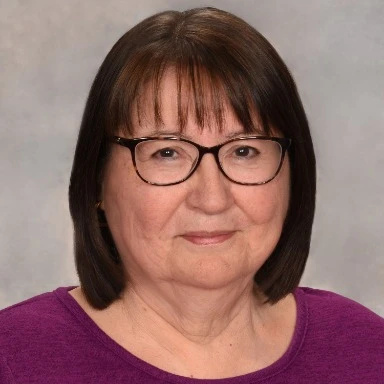
Registered Therapeutic Counsellor RTC
What is your understanding of joy and happiness? I'd like to hear your definition. Do you find it difficult to understand the suffering and challenges you face in your life? Do you still experience past trauma and feel like you're going through life on autopilot? Do you question your faith and finding yourself scrolling the internet to find answers?

Registered Psychologist
Get relief from anxiety, burnout, and perfectionism—without losing your edge. Virtual therapy in Alberta, Canada
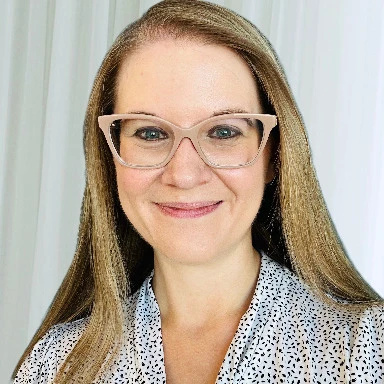
Registered Psychologist
Paige is an experienced therapist focusing on those changing their relationship with alcohol, in sobriety/long-term recovery, as well as high performers navigating perfectionism, control, people pleasing, as well as those looking to improve relationships in individual counselling by exploring boundaries, communication and emotional regulation.

Licensed Clinical Therapist
I offer psychotherapy and somatic therapy for adolescents and adults in Sackville, NB and virtually through telehealth. I often work with clients with addiction, eating disorders, anxiety, personality and mood disorders, and C-PTSD. I am a psychodynamic therapist which means that we take the time to build trust in the therapeutic relationship and we often explore self and interpersonal patterns.
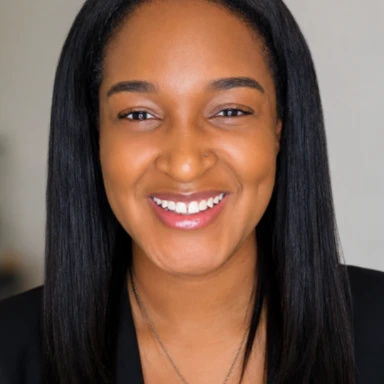
Registered Psychotherapist, qualifying
A safe, accepting, and judgement-free space for individuals to explore change, healing, and growth — through a client-centered, strengths-based approach. Virtual across Canada.
Moncton, NB Therapists at a Glance
Number of therapists listed
Average years in practice
Currently accepting new clients
Therapists in Moncton, NB who prioritize treating:
How therapists see their clients
Top therapy approaches used in Moncton, NB:
Frequently Asked Questions About Self Esteem
What causes low self-esteem and can therapy help?
Low self-esteem commonly develops from early experiences such as criticism, neglect, bullying, or trauma, but it can also emerge from chronic stress, relationship difficulties, or mental health conditions like depression. Therapy can help significantly — a trained therapist works with you to identify where negative self-beliefs originated, challenge their accuracy, and build a more grounded, compassionate relationship with yourself.
What therapy approaches are most effective for low self-esteem?
CBT is one of the most evidence-based approaches for low self-esteem, targeting the negative core beliefs and self-critical thought patterns that maintain it. Compassion-Focused Therapy (CFT), Schema Therapy, and Acceptance and Commitment Therapy (ACT) are also widely used and particularly helpful when low self-esteem is deep-rooted or connected to early life experiences. Many therapists integrate these approaches based on your individual history.
Is low self-esteem a mental health diagnosis?
Low self-esteem is not a standalone diagnosis, but it is a significant contributing factor to — and symptom of — many mental health conditions, including depression, anxiety, eating disorders, and personality disorders. You do not need a formal diagnosis to seek therapy for self-esteem concerns. Many people find that addressing self-esteem directly produces improvements across multiple areas of their mental health.
How long does therapy for self-esteem typically take?
The timeline varies depending on how deep-rooted your self-esteem issues are and whether they are connected to trauma or long-standing patterns. Some people notice meaningful shifts within 8–12 sessions of CBT-focused work; others with more complex histories benefit from longer-term therapy over 6–12 months or more. Your therapist will discuss realistic expectations early in treatment.
Can therapy for self-esteem help with other issues too?
Yes — improving self-esteem often has a positive ripple effect. People frequently report reduced anxiety, improved relationships, greater assertiveness, and better ability to handle setbacks as their self-esteem grows. Because low self-esteem underlies so many other challenges, addressing it directly can be one of the most impactful things you do for your overall wellbeing.