Person-Centered Therapists in Moncton, NB

Verified by Theralist
Verified and in good standing. Last verified Nov 5, 2026
Verification confirms registration only, not fit or quality of care.
How verification worksProfessional Counsellor, MPCC-Provisional designation with the Canadian Professional Counsellors Association (CPCA).
Chris Graham is a professional counsellor and therapist in Cochrane, Alberta, working with adult men and professional pilots online across Canada.

Verified by Theralist
Verified and in good standing. Last verified Nov 6, 2026
Verification confirms registration only, not fit or quality of care.
How verification worksRegistered Psychotherapist
Annie Szalkai is a registered psychotherapist and online therapist in Ontario, helping adults with anxiety and depression using CBT and DBT.
Verified by Theralist
Verified and in good standing. Last verified Nov 16, 2026
Verification confirms registration only, not fit or quality of care.
How verification worksRegistered Psychologist
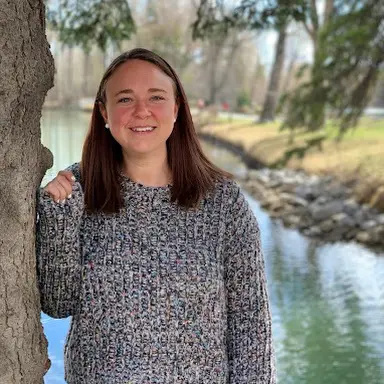
Tiffany Warren is a registered psychologist and therapist in Calgary, Alberta, offering CBT and DBT for anxiety, depression, ADHD and trauma.

Verified by Theralist
Verified and in good standing. Last verified Nov 11, 2026
Verification confirms registration only, not fit or quality of care.
How verification worksRegistered Psychologist
Aliya Manji is a registered psychologist and therapist in Calgary who works with adults and couples on anxiety, trauma and anger, using EMDR and CBT.

Verified by Theralist
Verified and in good standing. Last verified Nov 11, 2026
Verification confirms registration only, not fit or quality of care.
How verification worksRegistered Psychotherapist
Vrushalee Nachar is a registered psychotherapist and online therapist in Ontario, working with relational trauma and couples.

Verified by Theralist
Verified and in good standing. Last verified Nov 8, 2026
Verification confirms registration only, not fit or quality of care.
How verification worksLicensed Counselling Therapist - C
Colombe Mazerolle is a licensed counselling therapist in Moncton, New Brunswick, using DBT and EFT for emotional dysregulation and relationship issues.

Verified by Theralist
Verified and in good standing. Last verified Nov 12, 2026
Verification confirms registration only, not fit or quality of care.
How verification worksLicensed Counselling Therapist Candidate (LCT-C), MA
Jaime Sherwood is a licensed counselling therapist candidate in Fredericton, New Brunswick, working with teens and adults on trauma and PTSD.

Verified by Theralist
Verified and in good standing. Last verified Nov 11, 2026
Verification confirms registration only, not fit or quality of care.
How verification worksRegistered Psychotherapist (Qualifying)
Mackenzie Howard is a registered psychotherapist (qualifying) and online therapist in Ontario, helping with anxiety, depression and stress using CBT.
Moncton Therapists at a Glance
Number of therapists listed
Average years in practice
Currently accepting new clients
Therapists in Moncton who prioritize treating:
How therapists see their clients
Top therapy approaches used in Moncton:
Frequently Asked Questions About Person-Centered
What is person-centred therapy?
Person-centred therapy (also called client-centred therapy) was developed by Carl Rogers and is built on the belief that people have an inherent capacity for growth and self-healing when given the right conditions. The therapist provides unconditional positive regard, empathy, and genuineness — creating a non-judgmental space in which clients can explore their experiences, feelings, and sense of self without direction or pressure. The client, not the therapist, sets the pace and focus.
What does a person-centred therapy session look like?
Person-centred sessions are led by you rather than the therapist. There are no homework assignments, structured exercises, or predetermined topics — you bring what feels most important, and the therapist reflects, explores, and responds with empathy and care. The relationship itself is considered the primary vehicle for change. Many clients find this approach deeply accepting — it can be particularly powerful for people who have felt judged, unseen, or unheard in their lives.
What conditions is person-centred therapy suited for?
Person-centred therapy is appropriate for depression, anxiety, grief, low self-esteem, identity concerns, relationship difficulties, and general distress. It is particularly well-suited for people who want to explore their inner world, who feel they lack a compassionate witness in their lives, or who have had negative experiences with more directive approaches. Research supports it as effective for mild to moderate depression and anxiety, and it is widely used as the foundation of many integrative therapeutic styles.
How is person-centred therapy different from CBT or DBT?
CBT and DBT are structured, skills-focused, and often therapist-led — sessions follow frameworks with specific techniques and between-session practice. Person-centred therapy is unstructured, exploratory, and client-led — the therapist provides conditions for growth rather than directing the content or teaching skills. Neither is universally better; they suit different people and goals. Some people thrive in the structure of CBT; others find the openness of person-centred therapy more healing. Many therapists integrate elements of both.
How long does person-centred therapy take?
Person-centred therapy is often open-ended rather than time-limited — it continues as long as it is beneficial, without a predefined number of sessions. Some people work briefly to process a specific situation; others engage in longer-term therapy over years as part of ongoing personal growth. This flexibility is one of the approach's strengths — it adapts to where you are and what you need, rather than fitting your experience into a pre-set treatment arc.