Motivational Interviewing Therapists in Northwest Territories
View all cities in Northwest Territories

Registered Psychotherapist (Qualifying), Canadian Certified Counsellor (CCC)
You may look like you have things together, but internally you’re overthinking, questioning yourself, or finding yourself stuck in the same relationship patterns. I work with adults and couples navigating anxiety, attachment, relationship difficulties, betrayal or infidelity, neurodiversity, identity, and life transitions. Together, we’ll understand what’s beneath the patterns and work toward rel…
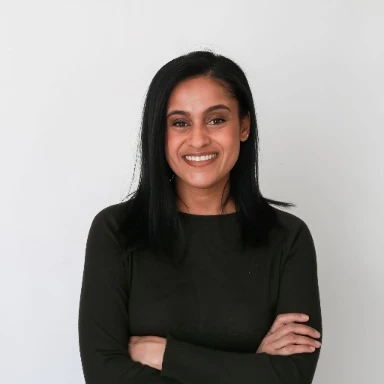
Registered Psychotherapist (Qualifying)
Are you feeling anxious, overwhelmed or stuck? Maybe something feels wrong? I help people navigate anxiety, depression, ADHD, trauma, and relationship struggles, with culturally sensitive care that honours your full background, including pressures others may miss. As a South Asian therapist who spent 15 years in the corporate world, I bring lived experience and real-world context to therapy.
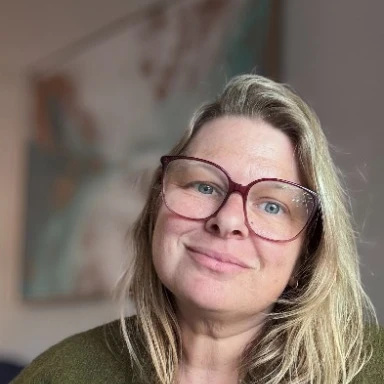
Registered Psychotherapist (Qualifying)
I help couples and individuals find growth, healing, and stronger connections. Using evidence-based and individualized approaches, I support those struggling with women's health concerns (e.g., pregnancy, postpartum, perimenopause, menopause), relationship concerns (e.g., resentment, infidelity), and life transitions (e.g., separation/divorce, parenting). I offer a free 15-minute consultation!
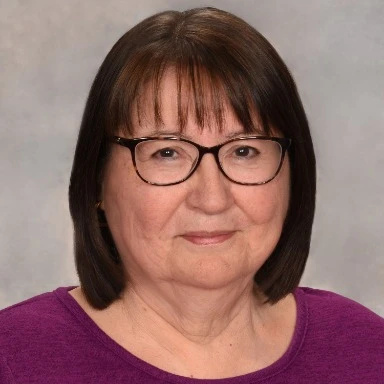
Registered Therapeutic Counsellor RTC
What is your understanding of joy and happiness? I'd like to hear your definition. Do you find it difficult to understand the suffering and challenges you face in your life? Do you still experience past trauma and feel like you're going through life on autopilot? Do you question your faith and finding yourself scrolling the internet to find answers?

Registered Psychotherapist (Qualifying)
I help individuals and couples break painful relationship cycles so they can feel more connected, secure, and confident. I support concerns like recurrent conflict, relationship anxiety (and ROCD), limerence, and resentment. Using an attachment- and evidence-based approach, I offer warm, non-judgmental virtual therapy across Ontario. Book a free 15-minute consultation to get started.
Northwest Territories Therapists at a Glance
Number of therapists listed
Average years in practice
Currently accepting new clients
Therapists in Northwest Territories who prioritize treating:
How therapists see their clients
Top therapy approaches used in Northwest Territories:
Frequently Asked Questions About Motivational Interviewing
What is motivational interviewing?
Motivational Interviewing (MI) is a collaborative, goal-oriented communication style developed by William Miller and Stephen Rollnick to strengthen a person's own motivation and commitment to change. MI is based on the premise that ambivalence about change is normal — people simultaneously want to change and want to stay the same — and that the therapist's role is to help the person explore and resolve this ambivalence in the direction of their own values and goals, rather than imposing change or providing advice. It is person-centred, evidence-based, and widely used in addiction treatment, health behaviour change, and mental health.
What are the core skills of motivational interviewing?
The core MI skills (OARS) are Open-ended questions (inviting exploration), Affirmations (recognizing strengths and efforts), Reflections (reflecting back what the person has said to deepen understanding), and Summaries (pulling together what has been discussed). The spirit of MI is as important as the skills: a collaborative, evocative, honouring approach that respects the person's autonomy. MI involves selectively attending to and amplifying "change talk" (the person's own arguments for change) while avoiding the righting reflex (the urge to argue for change or give advice).
What does motivational interviewing treat or help with?
MI has strong evidence for substance use disorders (alcohol, opioids, cannabis), smoking cessation, medication adherence, diet and exercise change, weight management, and engaging people who are ambivalent about treatment. It is used as a standalone treatment and as a pre-treatment "engagement" phase before other evidence-based therapies (CBT, community reinforcement approach). MI is also widely used in healthcare settings for health behaviour change.
What is the difference between motivational interviewing and advice-giving?
MI deliberately avoids advice-giving, confrontation, and persuasion — approaches that tend to increase resistance in ambivalent people. When a practitioner argues for change or lists the reasons someone should stop drinking (for example), the person often responds by articulating the reasons they shouldn't — and convincing themselves to stay the same. MI flips this: it evokes the person's own reasons for change and their own arguments, which are far more persuasive to them than arguments from an external authority.
How many sessions of motivational interviewing are needed?
MI has demonstrated efficacy in as few as 1–4 sessions. In many studies, brief MI interventions (even a single 45-minute session) produce significant effects on substance use and behaviour change. MI is often used as an engagement or pre-treatment phase before longer therapy rather than as a prolonged standalone treatment. The brevity makes it particularly valuable in primary care, emergency departments, and settings where extended contact is limited.