Culturally Sensitive Therapists in Northwest Territories
View all cities in Northwest Territories
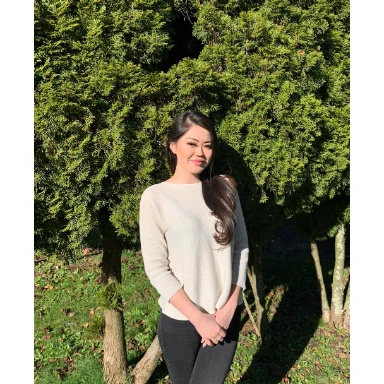
Yuka Oshimi
MC, RCC, ADHD-CCSP, DCP(c)
AuDHD Registered Clinical Counsellor and doctoral candidate offering neurodivergent-affirming, culturally sensitive, trauma-informed counselling for adults across BC and Canada. POC-founded practice with lived Third Culture Kid experience. Areas include but are not limited to ADHD, autism, AuDHD, anxiety, depression, and workplace and school challenges.

Li Li
Registered Psychotherapist
Li offers relational psychoanalytic and trauma-informed somatic/EMDR/IFS/EFT therapy, to support individual, couples and families in communities such as immigrants, LGBTQ+, neurodivergent (ADHD), and professionals, whose experiences resonate with her own life journey the most. She holds a compassionate, culturally attuned space where clients can express freely and rediscover their authentic self.
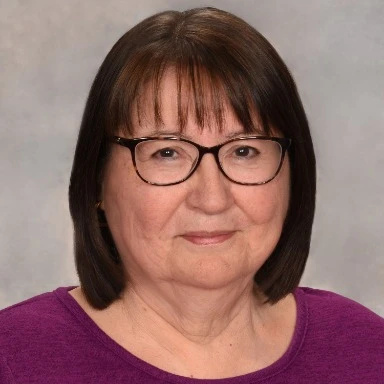
Edna Mitander
Registered Therapeutic Counsellor RTC
What is your understanding of joy and happiness? I'd like to hear your definition. Do you find it difficult to understand the suffering and challenges you face in your life? Do you still experience past trauma and feel like you're going through life on autopilot? Do you question your faith and finding yourself scrolling the internet to find answers?
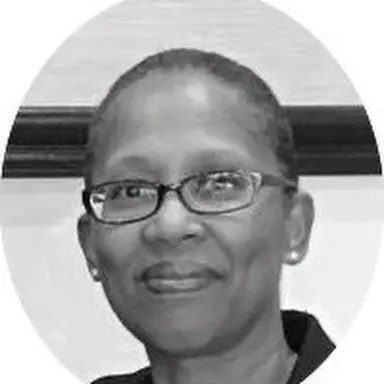
Charmaine McIntosh
Psy.D., R.P.
Hello and Welcome to Sojourn Wellness, a virtual practice. Charmaine is a Registered Psychotherapist and Certified Health and Life Coach. Our approach is holistic, collaborative and person-centred. We provide coaching, psychotherapy, and assessments such as psychoeducational, immigration, psychological for mental health, motor-vehicle accidents (MVA), long-term disability (LTD), and workplace…
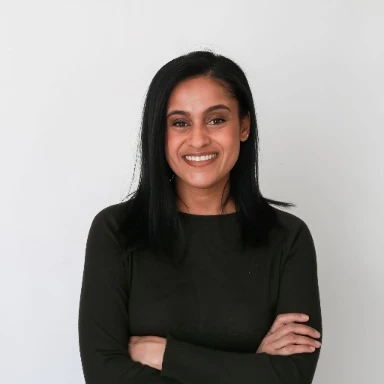
Mandeep Lalli
Registered Psychotherapist (Qualifying)
Are you feeling anxious, overwhelmed or stuck? Maybe something feels wrong? I help people navigate anxiety, depression, ADHD, trauma, and relationship struggles, with culturally sensitive care that honours your full background, including pressures others may miss. As a South Asian therapist who spent 15 years in the corporate world, I bring lived experience and real-world context to therapy.

Sarah Perone
Registered Psychotherapist (Qualifying)
I help individuals and couples break painful relationship cycles so they can feel more connected, secure, and confident. I support concerns like recurrent conflict, relationship anxiety (and ROCD), limerence, and resentment. Using an attachment- and evidence-based approach, I offer warm, non-judgmental virtual therapy across Ontario. Book a free 15-minute consultation to get started.
Mara Behan
Registered Psychotherapist (Qualifying)
I help couples and individuals find growth, healing, and stronger connections. Using evidence-based and individualized approaches, I support those struggling with women's health concerns (e.g., pregnancy, postpartum, perimenopause, menopause), relationship concerns (e.g., resentment, infidelity), and life transitions (e.g., separation/divorce, parenting). I offer a free 15-minute consultation!
Cayla Townes
Registered Psychotherapist
After years of working in a variety of settings with clients struggling with different life challenges, there's not much I haven't seen. My goal is for clients to walk away from therapy with me feeling validated, supported, and confident using the skills and knowledge they've learned in sessions. I look forward to learning more about how I can support you. Schedule a free consult today!
How do therapists in Northwest Territories compare?
Number of therapists listed
Average years in practice
Currently accepting new clients
Therapists in Northwest Territories who prioritize treating:
How therapists see their clients
Top therapy approaches used in Northwest Territories:
Frequently Asked Questions About Culturally Sensitive
What is culturally sensitive therapy?
Culturally sensitive (or culturally competent) therapy is practice that recognizes and respects the ways in which a client's cultural background, identity, and community context shape their experience of distress, their understanding of mental health, their help-seeking behaviour, and their healing. A culturally sensitive therapist does not treat culture as incidental but as central — understanding that concepts like family obligation, spirituality, collectivism vs. individualism, experiences of racism or discrimination, and cultural expressions of distress must all inform the therapeutic approach.
Why does culture matter in therapy?
Mainstream psychological frameworks were largely developed in Western, White, educated, industrialized contexts — which means they do not always apply accurately or helpfully across all cultural groups. The meaning of symptoms, the role of family in decision-making, the acceptability of discussing certain topics, the stigma of mental health in different communities, and the impact of historical trauma (such as residential schools for Indigenous Canadians) all vary significantly by cultural context. Ignoring these factors leads to misdiagnosis, poor therapeutic alliance, and premature dropout from treatment.
Who benefits most from seeking a culturally sensitive therapist?
Culturally sensitive therapy is valuable for everyone, but is particularly important for people from racialized communities, immigrants and newcomers, Indigenous peoples, people navigating bicultural identities, religious and ethnic minorities, LGBTQ2S+ people of colour, and anyone whose cultural identity has been a source of discrimination, shame, or misunderstanding in healthcare settings. If you have previously felt unseen, misunderstood, or pathologized in therapy, a culturally sensitive therapist may make a meaningful difference.
Does my therapist need to share my cultural background?
Not necessarily, though shared background can offer valuable understanding. What matters more than matching identity is cultural humility — a therapist's genuine curiosity about your experience, willingness to learn about your background without making assumptions, and awareness of their own cultural biases. A skilled therapist from a different background who approaches your culture with curiosity and respect may serve you better than one from a shared background who has not examined their own cultural biases or done the training in multicultural practice.
How do I find a culturally sensitive therapist in Canada?
When searching for a therapist, look for those who list culturally sensitive, multicultural, or anti-oppressive practice in their specialities. You can ask directly in a consultation: "How do you approach cultural differences in therapy?" and "Have you worked with clients from my background?" Trust your initial sense of whether a therapist seems genuinely curious about your experience. Theralist allows you to filter by speciality including culturally sensitive practice, and many therapist profiles describe their approach and the communities they serve.