Internal Family Systems (IFS) Therapists in Northwest Territories
View all cities in Northwest Territories
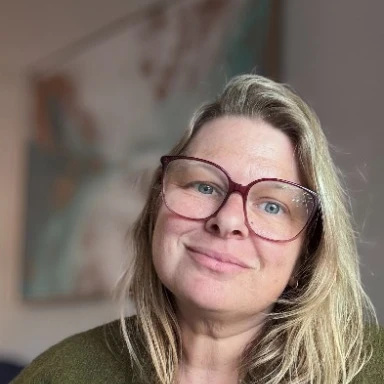
Mara Behan
Registered Psychotherapist (Qualifying)
I help couples and individuals find growth, healing, and stronger connections. Using evidence-based and individualized approaches, I support those struggling with women's health concerns (e.g., pregnancy, postpartum, perimenopause, menopause), relationship concerns (e.g., resentment, infidelity), and life transitions (e.g., separation/divorce, parenting). I offer a free 15-minute consultation!

Sarah Perone
Registered Psychotherapist (Qualifying)
I help individuals and couples break painful relationship cycles so they can feel more connected, secure, and confident. I support concerns like recurrent conflict, relationship anxiety (and ROCD), limerence, and resentment. Using an attachment- and evidence-based approach, I offer warm, non-judgmental virtual therapy across Ontario. Book a free 15-minute consultation to get started.

Li Li
Registered Psychotherapist
Li offers relational psychoanalytic and trauma-informed somatic/EMDR/IFS/EFT therapy, to support individual, couples and families in communities such as immigrants, LGBTQ+, neurodivergent (ADHD), and professionals, whose experiences resonate with her own life journey the most. She holds a compassionate, culturally attuned space where clients can express freely and rediscover their authentic self.
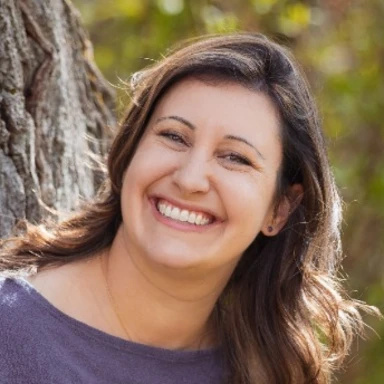
Charmaine MacCuspic
Canadian Certified Counsellor
Hi, I’m Charmaine, a Canadian Certified Counsellor with over a decade of experience supporting families. I offer a warm, compassionate space with room for humour, helping clients navigate parenting, motherhood, life transitions, stress and difficult moments. My approach draws on attachment, mindfulness and Internal Family Systems.
How do therapists in Northwest Territories compare?
Number of therapists listed
Average years in practice
Currently accepting new clients
Therapists in Northwest Territories who prioritize treating:
How therapists see their clients
Top therapy approaches used in Northwest Territories:
Frequently Asked Questions About Internal Family Systems (IFS)
What is Internal Family Systems (IFS) therapy?
Internal Family Systems (IFS) is a model of psychotherapy developed by Dr. Richard Schwartz that views the mind as made up of multiple "parts" — sub-personalities or inner voices that each carry their own feelings, beliefs, and motivations. IFS also posits the existence of a core "Self" — a calm, compassionate, and curious centre that can lead the inner system toward healing. Therapy involves building a relationship between the Self and various parts, including protective parts and wounded "exile" parts, to create greater inner harmony.
What conditions does IFS therapy help with?
IFS is used for trauma, PTSD, anxiety, depression, eating disorders, addiction, relationship difficulties, chronic pain, and general personal growth. It is particularly valued for complex or developmental trauma, where multiple protective patterns and deeply buried wounds need to be addressed with care. IFS has a growing evidence base and is recognized as an empirically supported treatment for PTSD.
What does an IFS therapy session look like?
IFS sessions typically involve the therapist guiding you into a focused inner state where you can turn attention inward and notice different parts — often felt as emotions, thoughts, physical sensations, or inner voices. You might be invited to "get curious" about a part, ask it questions, and understand its role and fears. The tone is gentle and exploratory rather than confrontational. Many people find IFS deeply validating because it treats all parts of the self as having good intentions, even when their behaviour is problematic.
Is IFS therapy evidence-based?
IFS has a growing body of research and has been recognized as an evidence-based practice by the Substance Abuse and Mental Health Services Administration (SAMHSA) in the United States. Studies show effectiveness for PTSD, depression, rheumatoid arthritis symptom management, and personal resilience. IFS is widely practised and taught across Canada, and many therapists incorporate it alongside other evidence-based approaches.
How long does IFS therapy typically take?
IFS therapy is often a longer-term process, particularly when addressing complex trauma or deeply entrenched protective patterns. Many people work with an IFS therapist for six months to several years, though some use IFS-informed approaches as part of shorter-term therapy for specific concerns. The depth of the work tends to make IFS particularly meaningful for people who want not just symptom relief but genuine inner transformation.