Cognitive Behavioural (CBT) Therapists in Northwest Territories
View all cities in Northwest Territories

Verified by Theralist
Verified and in good standing. Last verified Nov 7, 2026
Verification confirms registration only, not fit or quality of care.
How verification worksMC, RCC, ADHD-CCSP, DCP(c)
Yuka Oshimi is a registered clinical counsellor and therapist in British Columbia who works online with adults on ADHD, autism, anxiety and depression.

Verified by Theralist
Verified and in good standing. Last verified Nov 12, 2026
Verification confirms registration only, not fit or quality of care.
How verification worksRegistered Psychotherapist (Qualifying)
Love Veronneau is a registered psychotherapist (qualifying) and therapist in Alberta offering online ADHD and autism support for teens and adults.

Verified by Theralist
Verified and in good standing. Last verified Nov 9, 2026
Verification confirms registration only, not fit or quality of care.
How verification worksRegistered Psychotherapist (Qualifying)
Mairin Clarke is a registered psychotherapist (qualifying) and therapist in Oakville, Ontario, working with OCD, ADHD, anxiety and men's mental health.

Verified by Theralist
Verified and in good standing. Last verified Nov 12, 2026
Verification confirms registration only, not fit or quality of care.
How verification worksMSc, Registered Psychotherapist (Qualifying), Canadian Certified Counsellor (CCC), EMDR-Trained Therapist, Member of Ontario Association of Mental Health Practitioners
Rose Pinghera is a registered psychotherapist (qualifying) and therapist in Hamilton, Ontario, helping adults and teens with anxiety, depression and trauma.

Verified by Theralist
Verified and in good standing. Last verified Nov 9, 2026
Verification confirms registration only, not fit or quality of care.
How verification worksRegistered Psychotherapist (Qualifying)
Michaela DeSimone is a registered psychotherapist (qualifying) and therapist in Oakville, Ontario, working on anxiety, ADHD, relationships and school issues.
Verified by Theralist
Verified and in good standing. Last verified Nov 11, 2026
Verification confirms registration only, not fit or quality of care.
How verification worksRegistered Psychotherapist (Qualifying)
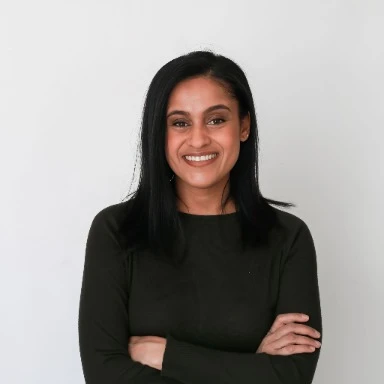
Mandeep Lalli is a registered psychotherapist (qualifying) and online therapist in Ontario, working with BIPOC adults and couples on anxiety and trauma.

Student Therapist
Joshua Dhanaraj is a student therapist in Calgary, Alberta, offering CBT for anxiety and grief to teens, adults and seniors, in person or online.
Verified by Theralist
Verified and in good standing. Last verified Nov 12, 2026
Verification confirms registration only, not fit or quality of care.
How verification worksRegistered Therapeutic Counsellor RTC
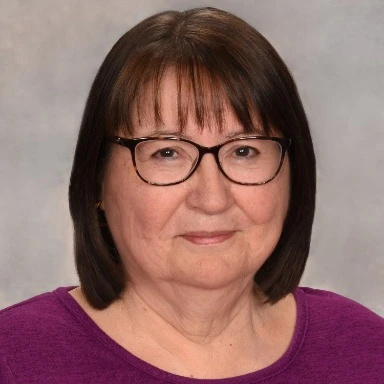
Edna Mitander is a registered therapeutic counsellor (RTC) and therapist in Yukon. Works online with adults and elders on grief and depression.

Verified by Theralist
Verified and in good standing. Last verified Nov 17, 2026
Verification confirms registration only, not fit or quality of care.
How verification worksRegistered Psychotherapist (Qualifying), Canadian Certified Counsellor (CCC)
Hazel Diaz is a registered psychotherapist (qualifying) and therapist in Ontario who works online with adults and couples on anxiety and codependency.

Verified by Theralist
Verified and in good standing. Last verified Nov 17, 2026
Verification confirms registration only, not fit or quality of care.
How verification worksRegistered Psychotherapist (Qualifying)
Sarah Perone is a registered psychotherapist (qualifying) and therapist in Ontario who works online with couples on infidelity and codependency.

Verified by Theralist
Verified and in good standing. Last verified Nov 17, 2026
Verification confirms registration only, not fit or quality of care.
How verification worksRegistered Psychotherapist (Qualifying)
Mara Behan is an online therapist in Ontario and registered psychotherapist (qualifying) focused on infidelity, divorce and infertility.

Verified by Theralist
Verified and in good standing. Last verified Nov 11, 2026
Verification confirms registration only, not fit or quality of care.
How verification worksCanadian Certified Counsellor
Charmaine MacCuspic is a Canadian certified counsellor and therapist in Calgary who works with adults and families on anxiety, depression and stress.

Verified by Theralist
Verified and in good standing. Last verified Nov 5, 2026
Verification confirms registration only, not fit or quality of care.
How verification worksProfessional Counsellor, MPCC-Provisional designation with the Canadian Professional Counsellors Association (CPCA).
Chris Graham is a professional counsellor and therapist in Cochrane, Alberta, working with adult men and professional pilots online across Canada.
Verified by Theralist
Verified and in good standing. Last verified Nov 17, 2026
Verification confirms registration only, not fit or quality of care.
How verification worksRegistered Psychotherapist
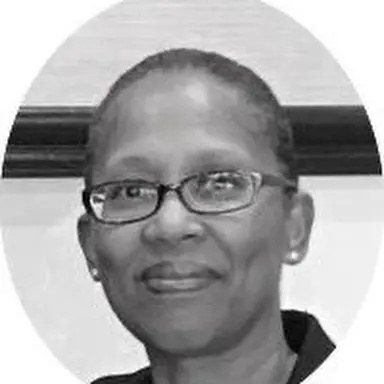
Charmaine McIntosh is a registered psychotherapist and online therapist in Ontario who works with teens and adults on anxiety, depression and stress.
Northwest Territories Therapists at a Glance
Number of therapists listed
Average years in practice
Currently accepting new clients
Therapists in Northwest Territories who prioritize treating:
How therapists see their clients
Top therapy approaches used in Northwest Territories:
Frequently Asked Questions About Cognitive Behavioural (CBT)
What is Cognitive Behavioural Therapy (CBT)?
CBT is a structured, evidence-based form of psychotherapy that examines the connection between thoughts, feelings, and behaviours. The core principle is that unhelpful thinking patterns contribute to emotional distress — and that changing those patterns can meaningfully improve how you feel and function. CBT is one of the most extensively researched forms of therapy in the world, with strong evidence across a wide range of mental health conditions.
What conditions does CBT treat effectively?
CBT has robust evidence for treating anxiety disorders, depression, OCD, PTSD, eating disorders, insomnia, chronic pain, and substance use disorders. It is also widely used for stress management, anger management, grief, and relationship difficulties. The Canadian Psychological Association recognizes CBT as a first-line psychological treatment for many of these conditions.
What does a typical CBT session involve?
CBT sessions are structured and goal-directed, typically including a review of the previous week, work on a specific skill or technique, and between-session practice exercises. Common techniques include thought records to identify and challenge unhelpful thinking, behavioural experiments, activity scheduling, and exposure exercises. Practising skills between sessions consistently produces better outcomes than in-session work alone.
How many CBT sessions will I need?
CBT is typically short-term, ranging from 6 to 20 sessions depending on the presenting concern. Some conditions respond quickly — specific phobias may improve in 5–10 sessions — while others, such as OCD or personality disorders, often require more extended treatment. Your therapist will work with you to set clear goals and review progress throughout.
How is CBT different from other types of therapy?
CBT differs from traditional psychodynamic or humanistic therapy in its structured, present-focused, and skills-based approach. Rather than spending extended time exploring past experiences, CBT focuses on teaching concrete tools to change thoughts and behaviours in the here and now. Many therapists integrate CBT with other approaches — such as mindfulness, ACT, or DBT — depending on individual needs.