2SLGBTQI+ Therapists in Yellowknife, NT

Verified by Theralist
Verified and in good standing. Last verified Nov 16, 2026
Verification confirms registration only, not fit or quality of care.
How verification worksMaster of Social Work (M.S.W) Social Worker
Aleisha Martin is a social worker and therapist in Saskatchewan offering online support for trauma, ADHD and anxiety, with a focus on 2SLGBTQI+ clients.

Verified by Theralist
Verified and in good standing. Last verified Nov 6, 2026
Verification confirms registration only, not fit or quality of care.
How verification worksRegistered Clinical Counsellor, Certified Canadian Counsellor
Bonnie Koehn is a registered clinical counsellor and therapist in Saskatchewan who works online with clients on trauma, PTSD and domestic abuse.

Verified by Theralist
Verified and in good standing. Last verified Nov 5, 2026
Verification confirms registration only, not fit or quality of care.
How verification worksRegistered Clinical Counsellor (RCC), Canadian Certified Counsellor (CCC)
Nita Agustin is a registered clinical counsellor (RCC) and therapist in Burnaby, BC, working with teens and adults on relationship issues.

Verified by Theralist
Verified and in good standing. Last verified Nov 6, 2026
Verification confirms registration only, not fit or quality of care.
How verification worksRegistered Psychotherapist
Ariel Dasrath is a registered psychotherapist and online therapist in Ontario for teens and adults on family conflict and peer relationships.
Student Therapist
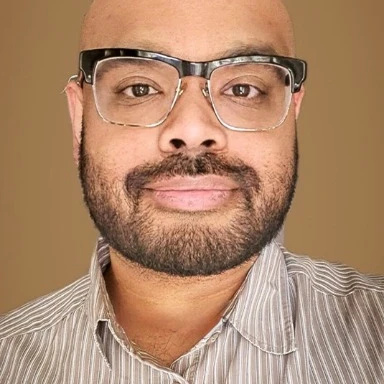
Joshua Dhanaraj is a student therapist in Calgary, Alberta, offering CBT for anxiety and grief to teens, adults and seniors, in person or online.

Registered Psychologist/Counselling Therapist/Certified Counsellor
Therapy Collective is a Calgary, Alberta team of therapists offering online and in-person care for anxiety, trauma, ADHD, addiction and EMDR.
Yellowknife Therapists at a Glance
Number of therapists listed
Average years in practice
Currently accepting new clients
Therapists in Yellowknife who prioritize treating:
How therapists see their clients
Top therapy approaches used in Yellowknife:
Frequently Asked Questions About 2SLGBTQI+
What is 2SLGBTQI+ affirming therapy?
Affirming therapy creates a safe, non-judgmental space where your sexual orientation, gender identity, and relationship structure are respected and validated — not treated as problems to be fixed or changed. An affirming therapist understands the unique experiences and stressors faced by 2SLGBTQI+ people, including experiences of discrimination, family rejection, navigating coming out, and the mental health impacts of minority stress. Affirming therapy can address any mental health concern, not only those directly related to identity.
Why is finding an affirming therapist important?
Research consistently shows that 2SLGBTQI+ people experience higher rates of depression, anxiety, and suicidal ideation than the general population — not because of their identity, but because of minority stress, discrimination, and lack of acceptance. A therapist who is not affirming — or who holds biases about gender and sexuality — can cause harm, even unintentionally. An affirming therapist reduces the burden of having to explain or justify your identity, and helps you address mental health concerns in a context of full acceptance.
What specific concerns do 2SLGBTQI+ people often bring to therapy?
Common concerns include navigating coming out (to family, at work, in various communities), managing the emotional impact of discrimination or rejection, exploring gender identity or transition, relationship and family issues unique to queer experiences, internalized homophobia or transphobia, trauma from conversion practices, grief related to family estrangement, and the mental health effects of living in a world that may not fully accept who you are. Affirming therapists are equipped to support all of these areas.
What is conversion therapy and is it legal in Canada?
Conversion therapy refers to practices that attempt to change a person's sexual orientation or gender identity. It is harmful, ineffective, and has been widely condemned by medical and psychological associations including the Canadian Psychological Association and the Canadian Psychiatric Association. As of 2022, performing conversion practices on anyone is a federal criminal offence in Canada. All therapists on Theralist operate within professional and legal standards that prohibit these practices.
How do I know if a therapist is truly affirming?
Look for therapists who explicitly identify as 2SLGBTQI+ affirming or who have specific training in working with queer and trans clients. Some therapists are themselves 2SLGBTQI+ identified. In a first session, you might ask how they approach work with queer and trans clients, whether they have specific training in this area, and how they handle conversations about identity, transition, or relationships. Trust your instincts — if a therapist seems unsure, asks unnecessary questions about your identity, or frames your identity as something to be explored as a "problem," that is a sign to look elsewhere.