Gottman Method Therapists in Nunavut
View all cities in Nunavut
Emma Hartley
Registered Psychotherapist (Qualifying), MACP, BA (she, her)
Are you looking for a therapist that knows what it's like to feel lost or overwhelmed and how to find your footing again? Noticing yourself feeling more anxious, "just tired", and craving a space to slow down and reconnect with a sense of meaning or purpose? Trying to make sense of shifts in mood, questioning careers, exploring relationships, parenting and identity, or a major life transition?
Eleni Anagnosti
Registered Psychotherapist (Qualifying), ADHD-CCSP, MS, HBA, BA
My approach is compassionate, culturally attuned, and collaborative. I draw from CBT, strengths-based, solution-focused, and trauma-informed approaches to support ADHD, anxiety, depression, burnout, grief, life transitions, and relationship patterns. Together, we focus on building practical tools, emotional balance, and a stronger sense of self-trust.
Sarah Perone
Registered Psychotherapist (Qualifying)
I help individuals and couples break painful relationship cycles so they can feel more connected, secure, and confident. I support concerns like recurrent conflict, relationship anxiety (and ROCD), limerence, and resentment. Using an attachment- and evidence-based approach, I offer warm, non-judgmental virtual therapy across Ontario. Book a free 15-minute consultation to get started.
Mandeep Lalli
Registered Psychotherapist (Qualifying)
Are you feeling anxious, overwhelmed or stuck? Maybe something feels wrong? I help people navigate anxiety, depression, ADHD, trauma, and relationship struggles, with culturally sensitive care that honours your full background, including pressures others may miss. As a South Asian therapist who spent 15 years in the corporate world, I bring lived experience and real-world context to therapy.
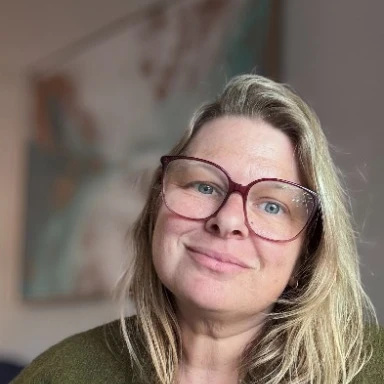
Mara Behan
Registered Psychotherapist (Qualifying)
I help couples and individuals find growth, healing, and stronger connections. Using evidence-based and individualized approaches, I support those struggling with women's health concerns (e.g., pregnancy, postpartum, perimenopause, menopause), relationship concerns (e.g., resentment, infidelity), and life transitions (e.g., separation/divorce, parenting). I offer a free 15-minute consultation!

Amelia Traer
Registered Psychotherapist (Qualifying), BA, PsiChi
My work is shaped by CBT, ACT, DBT, ERP, and trauma-informed, mindfulness-based approaches. I support clients with anxiety, burnout, OCD and phobias, ADHD, grief, life transitions, women's health, and chronic health concerns. Our therapy space adapts, with a focus on connection, emotional regulation, and practical strategies that fit your life.
How do therapists in Nunavut compare?
Number of therapists listed
Average years in practice
Currently accepting new clients
Therapists in Nunavut who prioritize treating:
How therapists see their clients
Top therapy approaches used in Nunavut:
Frequently Asked Questions About Gottman Method
What is the Gottman Method?
The Gottman Method is a couples therapy approach developed by Dr. John Gottman and Dr. Julie Gottman, grounded in more than four decades of research on what makes relationships succeed or fail. The approach is guided by the Sound Relationship House theory, which identifies the components of healthy relationships — trust, commitment, deep knowledge of each other, shared meaning, and effective conflict management. It is one of the most extensively researched couples therapy models available.
What are the "Four Horsemen" in the Gottman Method?
Gottman's research identified four communication patterns that are highly predictive of relationship breakdown: criticism (attacking a partner's character rather than the specific behaviour), contempt (treating a partner with disrespect, superiority, or disgust — the most corrosive predictor), defensiveness (self-protection that prevents accountability), and stonewalling (emotional shutdown and withdrawal during conflict). Gottman Method therapy helps couples recognize these patterns and replace them with healthier alternatives — gentle start-up, expressing appreciation, taking responsibility, and self-soothing.
What does a Gottman Method couples session involve?
Gottman-trained therapists typically begin with an assessment phase — individual and joint sessions that explore the relationship's history, strengths, and challenges, often using validated questionnaires from the Gottman Institute. Treatment then addresses the areas identified in assessment: communication and conflict skills, deepening emotional intimacy, building shared meaning, and managing perpetual (unsolvable) problems through compromise and dialogue. Sessions often include structured conversations guided by the therapist, with the goal of changing how partners interact in the moment.
Is the Gottman Method only for couples in crisis?
No — the Gottman Method is used both for couples in significant distress and for couples who are functioning well and want to strengthen their relationship. Premarital counselling using Gottman principles helps couples build a strong foundation before problems arise. Couples navigating major transitions — parenthood, illness, career change, retirement — also benefit from Gottman-informed work. The research basis means the approach is grounded in what actually predicts long-term relationship success, not just crisis management.
How long does Gottman Method couples therapy take?
The length of Gottman Method therapy depends on the severity of distress and the goals. Many couples in moderate distress see meaningful improvement in 10–20 sessions. More distressed couples — particularly those where trust has been broken or where the Four Horsemen are deeply entrenched — typically benefit from longer-term work. Gottman Institute "couples workshops" (weekend intensives) are also offered as a complement to ongoing therapy, allowing concentrated work in a shorter period.