Cognitive Behavioural (CBT) Therapists in Nunavut
View all cities in Nunavut

Tracy Kroeker
Psychologist
Hi! I'm Tracy and I’m passionate about helping individuals navigate tough times and return to living a life that is meaningful and fulfilling. I support clients struggling with symptoms of anxiety, depression, stress, burnout, relationship issues, work or school stress, insomnia/sleep issues, as well as a variety of other challenges.
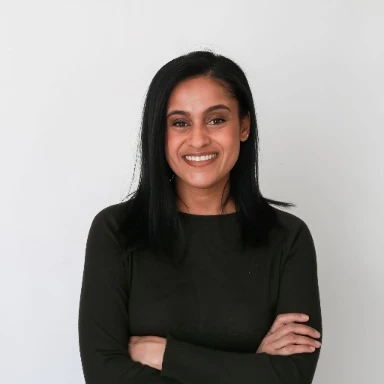
Mandeep Lalli
Registered Psychotherapist (Qualifying)
Are you feeling anxious, overwhelmed or stuck? Maybe something feels wrong? I help people navigate anxiety, depression, ADHD, trauma, and relationship struggles, with culturally sensitive care that honours your full background, including pressures others may miss. As a South Asian therapist who spent 15 years in the corporate world, I bring lived experience and real-world context to therapy.

Charmaine MacCuspic
Canadian Certified Counsellor
Hi, I’m Charmaine, a Canadian Certified Counsellor with over a decade of experience supporting families. I offer a warm, compassionate space with room for humour, helping clients navigate parenting, motherhood, life transitions, stress and difficult moments. My approach draws on attachment, mindfulness and Internal Family Systems.

Katharine De Santos
Registered Psychotherapist
Healthy Minds Psychotherapy was founded in 2018 with the mission of providing psychotherapeutic care to individuals from diverse backgrounds, fostering resilience in each person and our community as a whole.

Amelia Traer
Registered Psychotherapist (Qualifying), BA, PsiChi
My work is shaped by CBT, ACT, DBT, ERP, and trauma-informed, mindfulness-based approaches. I support clients with anxiety, burnout, OCD and phobias, ADHD, grief, life transitions, women's health, and chronic health concerns. Our therapy space adapts, with a focus on connection, emotional regulation, and practical strategies that fit your life.

Chris Graham
Professional Counsellor, MPCC-Provisional designation with the Canadian Professional Counsellors Association (CPCA).
I work with pilots and men in high-pressure careers who are navigating anxiety, burnout, identity challenges, or major life transitions. Many of the people I support are looking for counselling that is practical, confidential, and respectful of their professional context. For pilots concerns about career impact, medical implications often create hesitation around seeking support.

Eleni Anagnosti
Registered Psychotherapist (Qualifying), ADHD-CCSP, MS, HBA, BA
My approach is compassionate, culturally attuned, and collaborative. I draw from CBT, strengths-based, solution-focused, and trauma-informed approaches to support ADHD, anxiety, depression, burnout, grief, life transitions, and relationship patterns. Together, we focus on building practical tools, emotional balance, and a stronger sense of self-trust.

Emma Hartley
Registered Psychotherapist (Qualifying), MACP, BA (she, her)
Are you looking for a therapist that knows what it's like to feel lost or overwhelmed and how to find your footing again? Noticing yourself feeling more anxious, "just tired", and craving a space to slow down and reconnect with a sense of meaning or purpose? Trying to make sense of shifts in mood, questioning careers, exploring relationships, parenting and identity, or a major life transition?
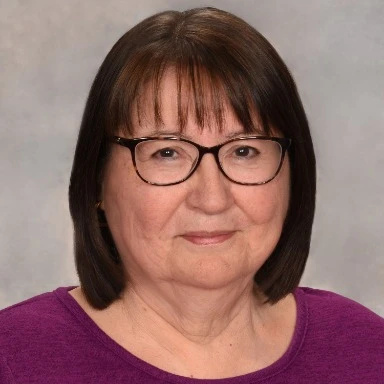
Edna Mitander
Registered Therapeutic Counsellor RTC
What is your understanding of joy and happiness? I'd like to hear your definition. Do you find it difficult to understand the suffering and challenges you face in your life? Do you still experience past trauma and feel like you're going through life on autopilot? Do you question your faith and finding yourself scrolling the internet to find answers?

Maya Awad
Registered Psychotherapist (Qualifying), MACP, ADHD-SP, HBSc (she, her)
Accepting NEW clients - Are you feeling overwhelmed or like you’re carrying a lot on your own? Feel like you're doing everything you’re “supposed to do,” but something still doesn’t feel right? Have a desire to better understand your thoughts, emotions, or patterns, work on building confidence or self-esteem, or find support for your relationship?
Charmaine McIntosh
Psy.D., R.P.
Hello and Welcome to Sojourn Wellness, a virtual practice. Charmaine is a Registered Psychotherapist and Certified Health and Life Coach. Our approach is holistic, collaborative and person-centred. We provide coaching, psychotherapy, and assessments such as psychoeducational, immigration, psychological for mental health, motor-vehicle accidents (MVA), long-term disability (LTD), and workplace…

Stephanie Campoli
MSW, RSW
Stephanie Campoli Psychotherapy is a trauma-focused practice in Oshawa, Ontario, offering in-person therapy and virtual psychotherapy across Ontario and Nova Scotia. The practice specializes in comprehensive Dialectical Behaviour Therapy (DBT), trauma therapy, and addictions treatment, with particular expertise in supporting people living with Borderline Personality Disorder (BPD) and trauma.

Mara Behan
Registered Psychotherapist (Qualifying)
I help couples and individuals find growth, healing, and stronger connections. Using evidence-based and individualized approaches, I support those struggling with women's health concerns (e.g., pregnancy, postpartum, perimenopause, menopause), relationship concerns (e.g., resentment, infidelity), and life transitions (e.g., separation/divorce, parenting). I offer a free 15-minute consultation!

Yuka Oshimi
MC, RCC, ADHD-CCSP, DCP(c)
AuDHD Registered Clinical Counsellor and doctoral candidate offering neurodivergent-affirming, culturally sensitive, trauma-informed counselling for adults across BC and Canada. POC-founded practice with lived Third Culture Kid experience. Areas include but are not limited to ADHD, autism, AuDHD, anxiety, depression, and workplace and school challenges.

Sarah Perone
Registered Psychotherapist (Qualifying)
I help individuals and couples break painful relationship cycles so they can feel more connected, secure, and confident. I support concerns like recurrent conflict, relationship anxiety (and ROCD), limerence, and resentment. Using an attachment- and evidence-based approach, I offer warm, non-judgmental virtual therapy across Ontario. Book a free 15-minute consultation to get started.
How do therapists in Nunavut compare?
Number of therapists listed
Average years in practice
Currently accepting new clients
Therapists in Nunavut who prioritize treating:
How therapists see their clients
Top therapy approaches used in Nunavut:
Frequently Asked Questions About Cognitive Behavioural (CBT)
What is Cognitive Behavioural Therapy (CBT)?
CBT is a structured, evidence-based form of psychotherapy that examines the connection between thoughts, feelings, and behaviours. The core principle is that unhelpful thinking patterns contribute to emotional distress — and that changing those patterns can meaningfully improve how you feel and function. CBT is one of the most extensively researched forms of therapy in the world, with strong evidence across a wide range of mental health conditions.
What conditions does CBT treat effectively?
CBT has robust evidence for treating anxiety disorders, depression, OCD, PTSD, eating disorders, insomnia, chronic pain, and substance use disorders. It is also widely used for stress management, anger management, grief, and relationship difficulties. The Canadian Psychological Association recognizes CBT as a first-line psychological treatment for many of these conditions.
What does a typical CBT session involve?
CBT sessions are structured and goal-directed, typically including a review of the previous week, work on a specific skill or technique, and between-session practice exercises. Common techniques include thought records to identify and challenge unhelpful thinking, behavioural experiments, activity scheduling, and exposure exercises. Practising skills between sessions consistently produces better outcomes than in-session work alone.
How many CBT sessions will I need?
CBT is typically short-term, ranging from 6 to 20 sessions depending on the presenting concern. Some conditions respond quickly — specific phobias may improve in 5–10 sessions — while others, such as OCD or personality disorders, often require more extended treatment. Your therapist will work with you to set clear goals and review progress throughout.
How is CBT different from other types of therapy?
CBT differs from traditional psychodynamic or humanistic therapy in its structured, present-focused, and skills-based approach. Rather than spending extended time exploring past experiences, CBT focuses on teaching concrete tools to change thoughts and behaviours in the here and now. Many therapists integrate CBT with other approaches — such as mindfulness, ACT, or DBT — depending on individual needs.