Brainspotting Therapists in Barrie, ON

Monica Natalia
Registered Psychotherapist, Qualifying
Do you constantly judge yourself harshly and worry about how others perceive you? You’re someone who puts everyone else first, making sure the people around you are comfortable and happy. Yet even with all that effort, you still feel anxious, overwhelmed, and never “good enough.” You may hold back from changing because you fear conflict, disappointment, or losing the people you care about. But d…
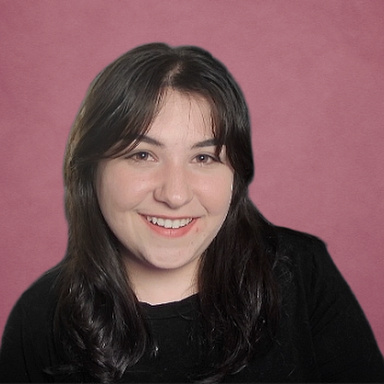
Serena Welsh
Registered Psychotherapist (Qualifying)
Hi, I'm Serena! I'm a Masters-level therapist in Ottawa working with teens, adults, and couples. I specialize in relationship concerns, emotion regulation, trauma, BPD, and Bipolar Disorder. My approach is warm, flexible, and judgment-free. Reach out for a free, 15-minute consult to see if we could be a good fit.
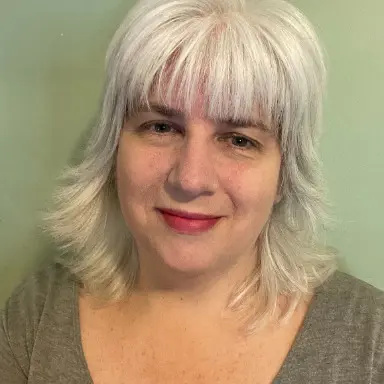
Jennifer Oakley
Registered Psychotherapist
I am a therapist honoured to support individuals looking for harmony and clarity in their life. I specialize in Grief, Anxiety, Depression, Early Childhood Trauma, Abandonment, PTSD, with a special interest in Adoption Loss and Reunion, Family Separation, and Family Conflict.
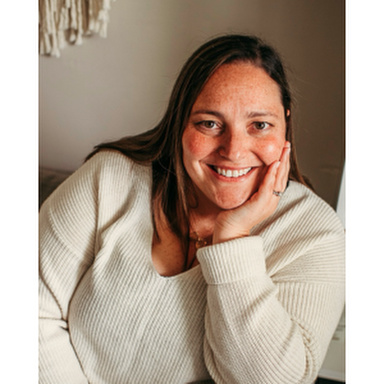
Sydney Tricand
Registered Psychotherapist
Are you navigating the tender seasons of family building, pregnancy, postpartum, or early parenthood? You might feel overwhelmed, unlike yourself, or wonder if you’re experiencing postpartum anxiety or depression. A tough birth, NICU stay, feeding issues, or grief may have shaken your sense of self, body, or relationships. Are you hoping to feel more seen and understood in this vulnerable time?

Rebecca Steele
Registered Social Worker, Psychotherapist
Hello, I'm Rebecca. I help adults heal attachment wounds and rebuild a sense of inner safety through Insight-Driven Depth Therapy. If you're struggling with anxiety, intrusive thoughts, self-worth, people-pleasing, relationship patterns, or feeling disconnected from yourself, I offer a warm, collaborative space to explore lasting change beyond symptom management.
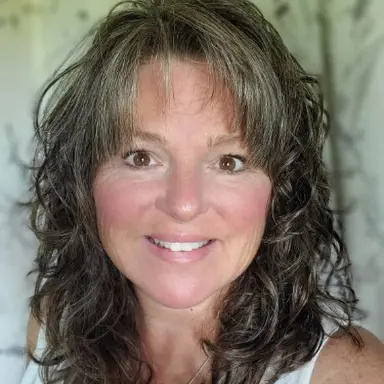
Shelley Sayle-Udall
Registered Psychotherapist (RP)
I’m Shelley, a psychotherapist offering integrative, mind–body therapy that goes beyond talk therapy. My work combines insight with nervous system, physiological, and gut–brain understanding to help clients truly make sense of their experiences. Through psychoeducation and compassionate support, I help people reconnect with their inner wisdom and create meaningful, lasting change.
How do therapists in Barrie, ON compare?
Number of therapists listed
Average years in practice
Currently accepting new clients
Therapists in Barrie, ON who prioritize treating:
How therapists see their clients
Top therapy approaches used in Barrie, ON:
Frequently Asked Questions About Brainspotting
What is brainspotting?
Brainspotting (BSP) is a trauma-focused therapy developed by David Grand in 2003, based on the observation that the eye position a person holds when accessing a traumatic memory or emotional experience is correlated with where that material is stored and processed in the brain. By identifying and holding a specific gaze point (the "brainspot") associated with a trauma or emotion, BSP aims to access and process material stored in the subcortical brain — deeper than the verbal, cognitive processing used in CBT. It uses the therapeutic relationship, focused mindfulness, and bilateral sound to support processing.
How does brainspotting differ from EMDR?
Both EMDR and brainspotting use eye positioning and work with subcortical trauma processing. EMDR uses bilateral stimulation (eye movements or alternating taps) in an active, back-and-forth way. Brainspotting identifies a fixed gaze point associated with the trauma and holds it for an extended period of time (often minutes), allowing slow, deep processing without the active stimulation. BSP tends to be quieter and less structured than EMDR; it relies more heavily on the therapist's attunement and the client's own processing capacity.
What conditions does brainspotting treat?
Brainspotting is used for trauma and PTSD, anxiety, depression, chronic pain, grief, performance issues (sports, performing arts), and creative blocks. It is used with athletes and performers for performance enhancement and recovery from performance trauma. BSP's focus on subcortical processing makes it useful for trauma that is stored more in the body and image than in verbal memory — pre-verbal trauma, complex developmental trauma, and trauma that has not responded to talk-based approaches.
What does a brainspotting session look like?
In a brainspotting session, the therapist uses a pointer to slowly move across the client's visual field while the client attends to a specific memory, emotion, or body sensation. The therapist identifies the eye position at which the client shows a reflexive response (such as a blink, eye twitch, or change in expression) — this is the brainspot. The client then holds their gaze at that point while the therapist maintains attunement and the client simply notices what arises — thoughts, images, feelings, body sensations. Processing occurs largely spontaneously, guided by the client's own system.
Is brainspotting evidence-based?
Brainspotting's evidence base is emerging but less established than EMDR. Several studies show positive outcomes for PTSD, anxiety, and sport performance, and pilot studies and case reports are accumulating. The theoretical rationale — that eye position is linked to subcortical neural networks processing trauma — is plausible given neuroscience research on the superior colliculus and orienting response, but the specific mechanisms are not yet established. BSP is considered promising rather than definitively evidence-based at this stage, and should be offered by trained practitioners as part of a thoughtful treatment plan.