Substance Use Therapists in Keswick, ON
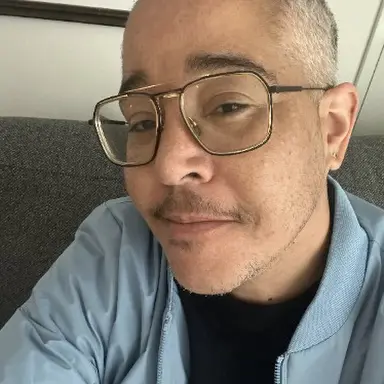
Kumasi Jay Gwynne
Registered Psychotherapist
Relationships of any kind can be challenging. I never underestimate how complicated things can get once we tease out the relational pieces in our lives and try to understand how they are affecting us.
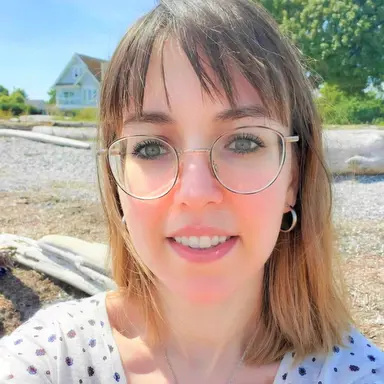
Jessica Kurucz
Registered Social Worker
I provide support to adults and couples. I have experience working with individuals experiencing trauma, depression, anxiety, relationship problems, gender issues, substance use, low self-esteem, stress-related issues, and chronic illness. I recognize that it takes a great deal of courage to make the decision to start counselling. I consider it a privilege to be invited into your life
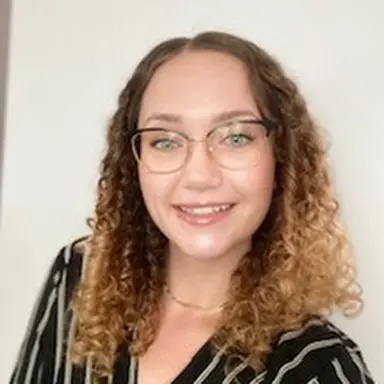
Lisa Cross
Registered Social Worker
In our work together, I will draw from mindfulness-based strategies, cognitive behavioural therapy (CBT), dialectical behavioural therapy (DBT), motivational interviewing, strengths-based, solution-focused, and various other counselling modalities and techniques in a welcoming, accepting, and supportive environment to help you advance towards your goals.
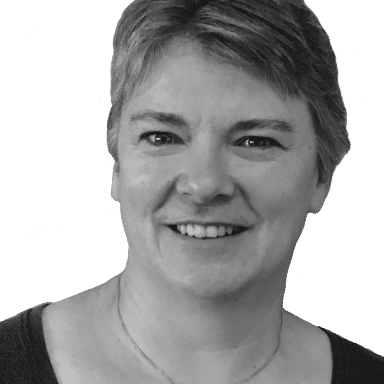
Nathalie Héloïse Graveline
Nurse Practitioner
Nurse (RN) since 1992; Nurse Practitioner (NP) since 2009. I created Even Keel Health, my private practice in 2018. My NP's professional experience is rich with an unusual combination of knowledge, skills and experiences. You can think of me as a blend between an advanced practice nurse and an experienced addiction and mental health psychotherapist.

Synthia Satkunarajah
Registered Psychotherapist
I have been in the field of mental health for about 6 years now, and worked across many settings, including crisis lines, counselling centres, private practice, and hospital settings. I typically take on an integrational and evidence-based approach to therapy, where I combine elements of person-centred therapy, solution-focused brief therapy, acceptance and commitment therapy, and parts work.
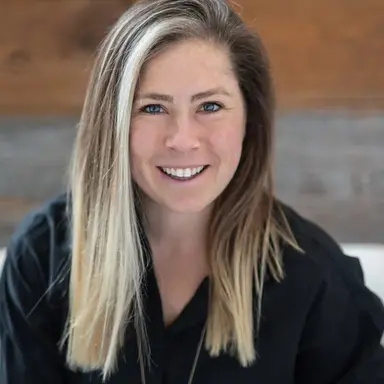
April Cockshutt
Registered Psychotherapist (Qualifying)
In order to provide yourself or couple with the most effective care, it is important to choose the right therapist for your individual needs. I am here to provide a safe space to feel heard, provide support and empower you on your journey of healing and finding balance. I look forward to having the opportunity to partner with you on this journey.
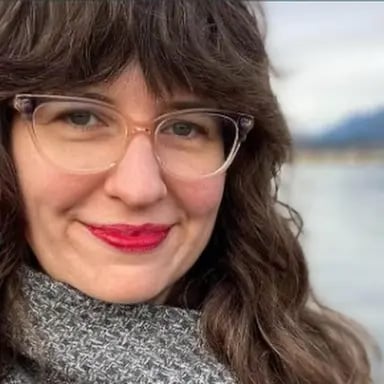
Justine Little
Registered Social Worker
Do you feel like you're stuck in old patterns? Are you always zoning out or in crisis mode? Do you struggle to connect with your body and aren't quite sure what it means to feel your feelings? Would you prefer to work with a queer therapist with experience supporting 2SLGBTQ+ folks and who is committed to integrating social justice into therapeutic work?

Abby Tait
Registered Psychotherapist (Qualifying)
You might come to therapy feeling stuck in familiar patterns - ways of coping, thinking, or relating that once made sense but now feel hard to shift. You may be thoughtful and self-aware, yet find yourself overthinking, avoiding certain emotions, or feeling disconnected from who you are or where you’re headed. Questions about identity, values, and purpose often sit quietly underneath these experi…
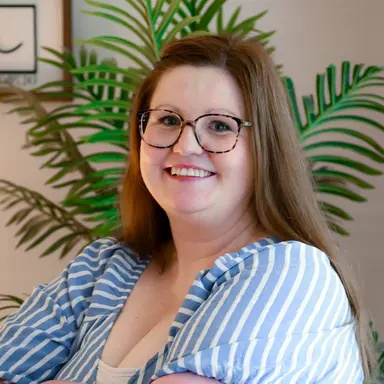
Nikki Ward
Registered Psychotherapist
Therapist & Clinic Owner at Electric City Wellness Accepting new clients both In-Person in Peterborough & Virtually throughout Ontario! Offering FREE 20-minute consultations!

Katharine De Santos
Registered Psychotherapist
Healthy Minds Psychotherapy was founded in 2018 with the mission of providing psychotherapeutic care to individuals from diverse backgrounds, fostering resilience in each person and our community as a whole.
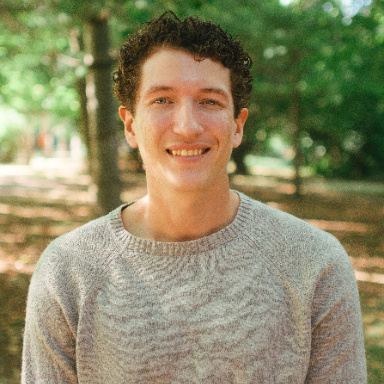
Parker Willis
Registered Psychotherapist (Qualifying)
Feeling disconnected from yourself can make every challenge feel heavier. I work with adults, young men, school‑aged children, and teens to understand their inner world, navigate anxiety and stress, and reconnect with who they are becoming. Reach out to book a 15‑minute consultation.

Iryna Dutko
Registered Psychotherapist, Registered Social Worker
Welcome - I’m glad you’re here. Whether you're feeling stuck, overwhelmed, or simply seeking a space to reconnect with yourself, I’m here to support you. I’m a Registered Psychotherapist and Social Worker with 12+ years of experience supporting individuals navigating anxiety, depression, trauma and PTSD, chronic illness, burnout, substance use, and other life challenges. Drawing on contemporary…
How do therapists in Keswick, ON compare?
Number of therapists listed
Average years in practice
Currently accepting new clients
Therapists in Keswick, ON who prioritize treating:
How therapists see their clients
Top therapy approaches used in Keswick, ON:
Frequently Asked Questions About Substance Use
What is substance use disorder and how does it differ from occasional use?
Substance use disorder is diagnosed when substance use causes significant impairment or distress — affecting work, relationships, health, or safety — and when the person continues using despite these consequences, or has difficulty controlling or stopping use. The DSM-5 conceptualizes substance use on a spectrum from mild to severe, rather than as a binary "addict/not addict." Many people have problematic substance use that causes harm without meeting criteria for full dependence. Therapy is appropriate and beneficial across the full spectrum.
What therapy approaches are most effective for substance use?
Motivational Interviewing (MI) is foundational — it meets people where they are in terms of readiness for change without pressure or confrontation, and strengthens intrinsic motivation. CBT for substance use addresses the triggers, cravings, and thought patterns driving use and builds coping skills. ACT and Mindfulness-Based Relapse Prevention (MBRP) help people change their relationship to cravings. Twelve-step facilitation supports engagement with community programs. For opioid or alcohol use disorder, therapy is often combined with medication-assisted treatment (buprenorphine, naltrexone, methadone) for best outcomes.
Do I have to be abstinent to benefit from therapy for substance use?
No — many effective approaches, including harm reduction therapy, work with people who are actively using or who have not yet committed to abstinence as a goal. Harm reduction recognizes that reducing harm is a valid and meaningful goal, even if abstinence is not immediately achievable or desired. Abstinence-based approaches are also offered, and some people pursue both harm reduction initially and abstinence later. A good therapist will support the goals that align with your values and readiness, without imposing a single pathway.
What is the connection between substance use and mental health?
Substance use and mental health conditions co-occur at very high rates — trauma, anxiety, depression, ADHD, and PTSD are all strongly associated with problematic substance use. Substance use often begins as a way of managing emotional pain, anxiety, or trauma symptoms. Treating only one without addressing the other leads to poorer outcomes. Integrated treatment — addressing both substance use and co-occurring mental health conditions simultaneously — is recognized as best practice. Look for a therapist with experience in both areas.
How long does therapy for substance use typically take?
Recovery from substance use disorder is typically a longer process, often measured in years rather than months — though meaningful change begins earlier. Many people engage in intensive treatment initially (more frequent sessions or day programs) and then step down to weekly therapy and community support. Relapse is a common and often necessary part of the recovery process, not a sign of failure. Long-term engagement with therapy and/or peer support communities significantly improves outcomes.