Relationship Issues Therapists in Prince Edward Island
View all cities in Prince Edward Island
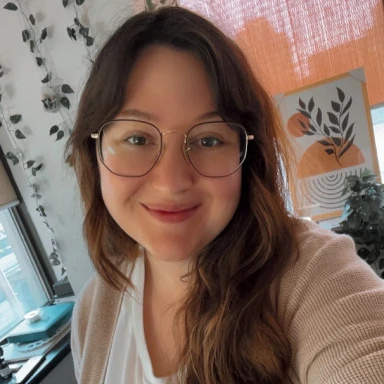
Licensed Counselling Therapist - C
Are you struggling with intense emotions that feel overwhelming, ongoing conflict or disconnection in relationships or feeling stuck in survival mode or repeating self-sabotaging patterns? I'm Colombe, therapist at Ember Counselling Therapy, and I help individuals and couples build emotional balance, heal from past pain, and create healthier relationships.

Registered Psychotherapist
I work with individuals and couples, focusing on areas like anxiety, relationship conflict, career stress, and recurring interpersonal patterns. My approach is collaborative, reflective, compassionate, and direct when helpful. Drawing from experience in family law, finance, marriage, and parenthood, I help clients navigate conflict, stress, and personal growth.
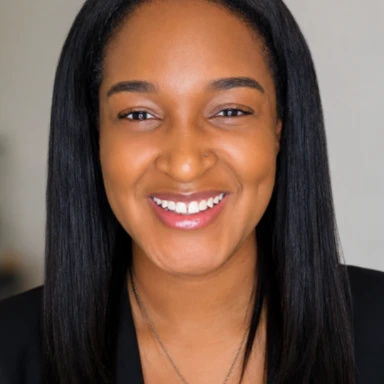
Registered Psychotherapist, qualifying
A safe, accepting, and judgement-free space for individuals to explore change, healing, and growth — through a client-centered, strengths-based approach. Virtual across Canada.
Prince Edward Island Therapists at a Glance
Number of therapists listed
Currently accepting new clients
Therapists in Prince Edward Island who prioritize treating:
How therapists see their clients
Top therapy approaches used in Prince Edward Island:
Frequently Asked Questions About Relationship Issues
What kinds of relationship issues can therapy help with?
Therapy addresses a wide range of relationship concerns — not only romantic partnerships but also family relationships, friendships, and workplace dynamics. Common issues include communication breakdowns, conflict patterns, trust and jealousy, intimacy difficulties, attachment challenges, codependency, loneliness, setting boundaries, and recovering from betrayal or loss in a relationship. Both individuals and couples can benefit from relationship-focused therapy.
Can I work on relationship issues in individual therapy without my partner?
Yes — individual therapy is often very effective for relationship concerns. Working one-on-one with a therapist allows you to explore your own patterns, attachment style, communication habits, and emotional responses without the complexity of navigating the dynamic with your partner present. Many people find that individual therapy changes how they show up in relationships, which in turn shifts relationship dynamics even when only one person attends.
What is attachment theory and why does it matter for relationships?
Attachment theory describes the patterns of relating to others we develop in early childhood based on our caregiving experiences. These patterns — broadly categorized as secure, anxious, avoidant, or disorganized — shape how we connect, communicate, and respond to closeness or conflict as adults. Understanding your attachment style is often a foundation of relationship therapy, as it explains many recurring patterns that feel confusing or out of your control.
How long does relationship therapy typically take?
Timeline varies based on the nature and depth of the issues. Specific, recent concerns — such as navigating a difficult conversation or adjusting to a relationship change — may resolve within 6–12 sessions. Longer-standing patterns rooted in early experiences or repeated relationship cycles often benefit from longer-term work. Your therapist will set goals with you at the outset and review progress regularly.
What therapy approaches are used for relationship issues?
Attachment-based therapy, Emotionally Focused Therapy (EFT), Gottman Method, and psychodynamic therapy are among the most commonly used approaches for relationship concerns. CBT-based communication skills training is also widely integrated. Many therapists draw on more than one approach, tailoring the work to whether the issue is primarily about communication, emotional regulation, past wounds, or changing ingrained relational patterns.