Marital and Premarital Therapists in Québec
View all cities in Québec
Verified by Theralist
Verified and in good standing. Last verified Nov 11, 2026
Verification confirms registration only, not fit or quality of care.
How verification worksClinical Counsellor, CCC
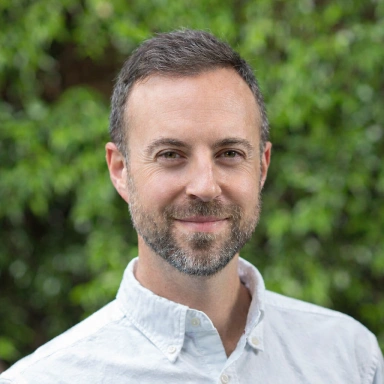
Paul Jozsef is a clinical counsellor and therapist in Montreal with 10 years of practice, working with men on anxiety, depression, anger and relationships.

Verified by Theralist
Verified and in good standing. Last verified Nov 8, 2026
Verification confirms registration only, not fit or quality of care.
How verification worksRegistered Psychotherapist (Qualifying)
Tina Pirvali is a registered psychotherapist (qualifying) in Ontario offering online couples therapy and therapy for infidelity in English and Farsi.

Verified by Theralist
Verified and in good standing. Last verified Nov 8, 2026
Verification confirms registration only, not fit or quality of care.
How verification worksRegistered Psychotherapist (Qualifying), Naturopath
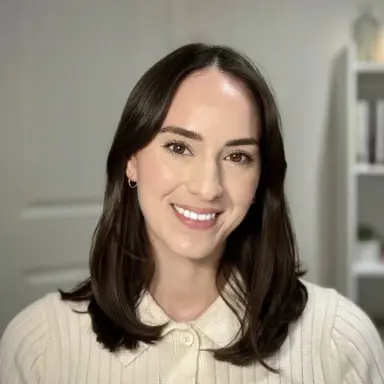
Margot Hovey is a Montreal therapist and registered psychotherapist (qualifying) helping adults, seniors and families with anxiety and depression.
Verified by Theralist
Verified and in good standing. Last verified Nov 17, 2026
Verification confirms registration only, not fit or quality of care.
How verification worksRegistered Psychotherapist (Qualifying)
Sarah Perone is a registered psychotherapist (qualifying) and therapist in Ontario who works online with couples on infidelity and codependency.
Verified by Theralist
Verified and in good standing. Last verified Nov 11, 2026
Verification confirms registration only, not fit or quality of care.
How verification worksRegistered Psychotherapist (Qualifying)
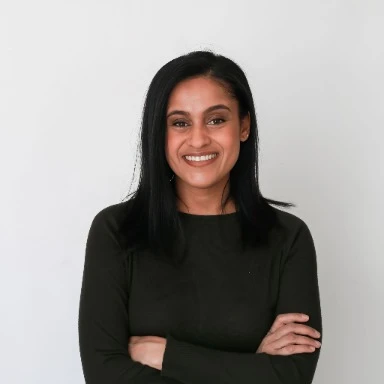
Mandeep Lalli is a registered psychotherapist (qualifying) and online therapist in Ontario, working with BIPOC adults and couples on anxiety and trauma.

Verified by Theralist
Verified and in good standing. Last verified Nov 16, 2026
Verification confirms registration only, not fit or quality of care.
How verification worksRegistered Psychologist
Megan Duffy is a registered psychologist and therapist in Calgary, Alberta, offering couples therapy and support for anxiety and relationship issues.

Verified by Theralist
Verified and in good standing. Last verified Nov 11, 2026
Verification confirms registration only, not fit or quality of care.
How verification worksRegistered Psychotherapist
Matthew Pitts, a registered psychotherapist and online therapist in Ontario, supports couples with relationship issues and adults with anxiety.
Verified by Theralist
Verified and in good standing. Last verified Nov 17, 2026
Verification confirms registration only, not fit or quality of care.
How verification worksRegistered Psychotherapist (Qualifying)
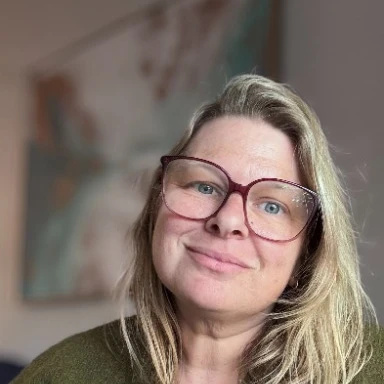
Mara Behan is an online therapist in Ontario and registered psychotherapist (qualifying) focused on infidelity, divorce and infertility.
Québec Therapists at a Glance
Number of therapists listed
Average years in practice
Currently accepting new clients
Therapists in Québec who prioritize treating:
How therapists see their clients
Top therapy approaches used in Québec:
Frequently Asked Questions About Marital and Premarital
What is the difference between marital and premarital counselling?
Marital counselling helps couples who are already married address challenges in their relationship — such as communication problems, conflict, trust issues, or intimacy concerns. Premarital counselling is proactive: it helps engaged or soon-to-be-married couples build a strong foundation by discussing expectations, values, finances, family, parenting, and how to navigate conflict before it becomes entrenched. Both are effective; research shows premarital counselling significantly reduces the risk of divorce.
What topics does premarital counselling cover?
Premarital counselling typically explores communication styles, conflict resolution, finances and financial values, expectations around roles and responsibilities, family of origin influences, parenting intentions and approaches, sexual needs and intimacy, and how each partner handles stress or difficult emotions. The goal is not to identify problems but to build shared understanding and practical skills before the stresses of married life arise.
What approaches do therapists use for marital counselling?
The Gottman Method and Emotionally Focused Therapy (EFT) are among the best-researched approaches for married couples, with strong evidence for improving relationship satisfaction and reducing distress. The Gottman Method addresses the patterns that predict relationship breakdown and builds friendship, conflict management, and shared meaning. EFT works with the emotional bond and attachment patterns beneath surface-level conflict. Many therapists draw on both.
Is marital counselling only for couples in serious trouble?
Not at all — many couples seek counselling as a way to strengthen a relationship that is already functioning well, navigate a life transition together, or learn new communication tools before problems develop. Research consistently shows that couples wait an average of six years after problems begin before seeking help. Seeking support earlier leads to significantly better outcomes. You do not need to be in crisis for counselling to be valuable.
How many sessions does marital counselling typically involve?
Premarital counselling is often completed in 4–8 sessions, covering key topics in a structured format. Marital counselling for established concerns typically ranges from 10–20 sessions, depending on the severity and duration of the issues. Some couples return for periodic tune-up sessions after the initial course of therapy, particularly during major life transitions.