Anger Management Therapists in Swift Current, SK

Hazim Al-Faouri
Registered Psychotherapist, CCC, MA, EMDR
Overwhelmed by life's pressures, past traumas, or relationship challenges? Want to understand how your thoughts and feelings connect to your overall sense of self? Seeking a therapist who gets your values and background, connecting you to your past, present, and future experiences? Let's work to explore your struggles or dive into understanding yourself better.

Candice Ebert
Registered Social Worker
Compassionate, client-centred counsellor supporting individuals through anxiety, trauma, emotional regulation challenges, self-worth concerns, life transitions, and emotional overwhelm. I prioritize emotional safety and provide a supportive, nonjudgmental space that blends practical coping strategies with self-awareness to foster resilience, confidence, and lasting change.
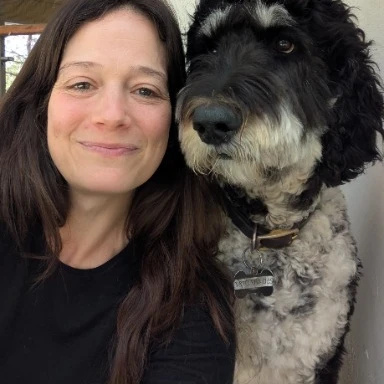
Alexandra Goodall
MA, Registered Clinical Counsellor, Somatic Psychotherapist, EMDR
Somatic. Relational. Neurobiological. I am an integrative, somatically-oriented therapist. I support clients who find themselves facing change and growth, be that in relationships, contribution/vocation, trauma recovery, intergenerational legacy, sexuality or spirituality. More at www.alexandragoodalltherapy.com and www.redkitehealing.com
How do therapists in Swift Current, SK compare?
Number of therapists listed
Average years in practice
Currently accepting new clients
Therapists in Swift Current, SK who prioritize treating:
How therapists see their clients
Top therapy approaches used in Swift Current, SK:
Frequently Asked Questions About Anger Management
What is anger management therapy?
Anger management therapy helps people understand the psychological and physiological roots of their anger, identify the triggers and patterns that escalate it, and develop skills to express and manage it without causing harm to themselves or others. "Anger management" is not a single approach — it draws on CBT, DBT skills, mindfulness, and psychoeducation. The goal is not to eliminate anger, which is a healthy and important emotion, but to express and respond to it in ways that are proportionate and constructive.
Is anger a mental health concern that needs therapy?
Anger becomes a clinical concern when it is disproportionate to situations, difficult to control, expressed through aggression, causing significant relationship or occupational problems, or leaving the person feeling stuck and unable to change. Anger is also frequently a secondary emotion — it covers more vulnerable feelings like hurt, shame, fear, or grief. Effective anger therapy often works beneath the surface behaviour to address the underlying pain driving it.
What therapy approaches are most effective for anger?
CBT is the most widely used approach, focusing on the automatic thoughts — often perceptions of threat or injustice — that escalate anger, and building skills for de-escalation. DBT skills, particularly distress tolerance and interpersonal effectiveness, are valuable when anger is intense or impulsive. Mindfulness-based approaches help people observe their anger without being swept into action. Psychodynamic or schema-focused work explores the deeper wounds and early experiences that fuel chronic anger patterns.
Does court-mandated anger management actually work?
Research on mandatory anger management programs shows mixed results. Standard group programs ordered by courts tend to produce modest short-term effects but limited long-term change — partly because they apply a generic format without individualized assessment. Individual therapy with a clinician who assesses the specific nature, history, and function of the anger tends to produce more meaningful and lasting change, particularly when underlying trauma, shame, or attachment wounds are present.
How long does anger management therapy take?
Many people see meaningful improvement in their anger patterns over 8–16 sessions of focused work. Those whose anger is rooted in deep trauma, personality patterns, or longstanding relational dynamics often benefit from longer therapy that addresses those underlying layers. Gains consolidate over time with consistent practice of skills between sessions — brief focused work may be sufficient for situational anger, while others benefit from ongoing therapy that addresses the fuller emotional picture.