Humanistic Therapists in Swift Current, SK

Verified by Theralist
Verified and in good standing. Last verified Nov 12, 2026
Verification confirms registration only, not fit or quality of care.
How verification worksRegistered Clinical Counsellor, Registered Social Worker, Psychotherapist, MACP, RSW, RCC, CCC
Feeling stuck, numb or overwhelmed by the world right now? Are you facing issues like anxiety, depression, and relationship problems? I offer professional, in-person Clinical Counselling, Grief Therapy & Registered Social Work services. Contact me to arrange a brief, complimentary consultation. If you are ready to get started, I have both in-person and remote session openings available.
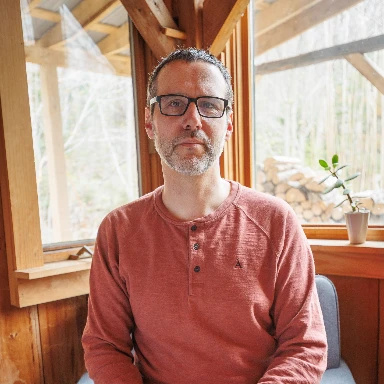
Counselling
I support overthinkers, perfectionists, and people-pleasers navigating anxiety, self-criticism, and relationship patterns shaped by painful experiences. I welcome those seeking a male therapist they can truly trust. Together, we use mindfulness, parts work, and body awareness to make room for a kinder relationship with yourself and more ease with others.

Verified by Theralist
Verified and in good standing. Last verified Nov 9, 2026
Verification confirms registration only, not fit or quality of care.
How verification worksCanadian Certified Counsellor
I am a person-centered, solution-focused counselling therapist dedicated to helping individuals recognize their strengths and unlock their true potential. I offer virtual counselling services, providing flexible and accessible support wherever you are. My goal is to make counselling feel approachable, supportive, and easy to integrate into your life. My work focuses on helping clients understand…

Verified by Theralist
Verified and in good standing. Last verified Nov 11, 2026
Verification confirms registration only, not fit or quality of care.
How verification worksRegistered Psychologist, PhD.
Christina specializes in psychological assessments and counseling for children, adolescents, and young adults for understanding and supporting mental health functioning.She provides individiual counseling for supporting mental health including anxiety, emotion regulation and coping skills, social skills, navigating interpersonal relationships, ADHD support, and parenting support.

Verified by Theralist
Verified and in good standing. Last verified Nov 12, 2026
Verification confirms registration only, not fit or quality of care.
How verification worksRegistered Psychotherapist (Qualifying)
Je suis Love Veronneau, psychothérapeute autorisée (qualification) et fondatrice de It Makes Sense Counselling et Psychothérapie. J’accompagne les adolescents, les adultes et les familles dans leurs défis liés à l’anxiété, au TDAH, à l’autisme, à la douance et aux difficultés d’apprentissage. Mon approche est chaleureuse, collaborative et adaptée aux besoins de chacun.

Verified by Theralist
Verified and in good standing. Last verified Nov 9, 2026
Verification confirms registration only, not fit or quality of care.
How verification worksRegistered Therapeutic Counsellor (Candidate), RTCc
Come as you are. Let's begin from there. I support individuals and couples navigating grief, chronic illness, trauma, identity exploration, LGBTQ+ experiences, polyamory/ENM, and life transitions. My approach is warm, trauma-informed, and rooted in genuine human connection, helping you reconnect with your strengths and move forward with greater clarity and self-compassion.

Verified by Theralist
Verified and in good standing. Last verified Nov 11, 2026
Verification confirms registration only, not fit or quality of care.
How verification worksRegistered Psychotherapist (Qualifying)
I work with children (10+), teens, and adults who feel anxious, overwhelmed, or exhausted by the pressure to get everything “right.” You may be stuck in overthinking, people‑pleasing, panic symptoms, health anxiety, or relationship patterns that leave you doubting yourself. On the outside, you might appear high‑achieving and capable. Inside, you feel tense, self‑critical, or never quite enough.

Verified by Theralist
Verified and in good standing. Last verified Nov 6, 2026
Verification confirms registration only, not fit or quality of care.
How verification worksRegistered Psychotherapist
I work with adults from diverse backgrounds, supporting those navigating anxiety, stress, and self-esteem challenges. My approach is client-centred and integrative, drawing from CBT, ACT, EFIT, Solution-Focused Therapy, and more to meet each person’s unique needs.

Registered Psychotherapist (Qualifying)
I help couples and individuals find growth, healing, and stronger connections. Using evidence-based and individualized approaches, I support those struggling with women's health concerns (e.g., pregnancy, postpartum, perimenopause, menopause), relationship concerns (e.g., resentment, infidelity), and life transitions (e.g., separation/divorce, parenting). I offer a free 15-minute consultation!

Verified by Theralist
Verified and in good standing. Last verified Nov 11, 2026
Verification confirms registration only, not fit or quality of care.
How verification worksRegistered Psychotherapist
I work with individuals and couples, focusing on areas like anxiety, relationship conflict, career stress, and recurring interpersonal patterns. My approach is collaborative, reflective, compassionate, and direct when helpful. Drawing from experience in family law, finance, marriage, and parenthood, I help clients navigate conflict, stress, and personal growth.

Registered Psychotherapist (Qualifying)
I help individuals and couples break painful relationship cycles so they can feel more connected, secure, and confident. I support concerns like recurrent conflict, relationship anxiety (and ROCD), limerence, and resentment. Using an attachment- and evidence-based approach, I offer warm, non-judgmental virtual therapy across Ontario. Book a free 15-minute consultation to get started.
Swift Current Therapists at a Glance
Number of therapists listed
Average years in practice
Currently accepting new clients
Therapists in Swift Current who prioritize treating:
How therapists see their clients
Top therapy approaches used in Swift Current:
Frequently Asked Questions About Humanistic
What is humanistic therapy?
Humanistic therapy is a family of approaches united by a belief in human dignity, the inherent drive toward growth and self-actualization, and the importance of the therapeutic relationship as the primary vehicle of change. Humanistic approaches include Person-Centred Therapy (Carl Rogers), Gestalt therapy, Existential therapy, and Emotion-Focused Therapy. They arose in the mid-20th century as a "third force" in psychology, distinct from the determinism of psychoanalysis and the mechanism of behaviourism.
What are the core principles of humanistic therapy?
Core humanistic principles include unconditional positive regard (accepting the client as a whole person without judgment), empathic understanding (deeply grasping the client's subjective experience), congruence (authenticity in the therapist), belief in the client's capacity for self-direction and growth, a focus on present experience rather than past history alone, and the view that a genuine therapeutic relationship is itself healing — not merely a vehicle for delivering techniques.
What does humanistic therapy help with?
Humanistic therapy is effective for depression, anxiety, grief, low self-esteem, identity questions, relationship difficulties, personal growth, existential concerns (meaning, purpose), and life transitions. Because humanistic approaches prioritize the therapeutic relationship above specific techniques, they are broadly applicable and particularly valuable for people who want to feel genuinely seen and understood rather than treated as a collection of symptoms or problems to be solved.
How is Person-Centred Therapy different from other humanistic approaches?
Person-Centred Therapy (PCT), developed by Carl Rogers, is the most non-directive humanistic approach — the therapist follows the client's lead, reflects their experience, and trusts the client's own inner wisdom about their direction and pace. Gestalt therapy uses more active techniques (experiments, empty chair). Existential therapy engages with philosophical questions about existence. Emotion-Focused Therapy structures the work around emotional processing. All share humanistic values but differ in how active and directive the therapist is.
Is humanistic therapy evidence-based?
Humanistic therapy has a substantial evidence base, though it is often less discussed than CBT. Carl Rogers conducted some of the earliest empirical research on psychotherapy outcomes. Meta-analyses consistently show humanistic and experiential therapies to be as effective as other approaches for depression, anxiety, and many other conditions, with particularly strong effects for conditions involving self-concept, interpersonal difficulties, and personal growth. The core conditions Rogers identified — empathy, positive regard, congruence — are among the strongest predictors of therapy outcome across all approaches.