Dialectical Behaviour (DBT) Therapists in Whitehorse, YT
Verified by Theralist
Verified and in good standing. Last verified Nov 17, 2026
Verification confirms registration only, not fit or quality of care.
How verification worksRegistered Psychotherapist (Qualifying)
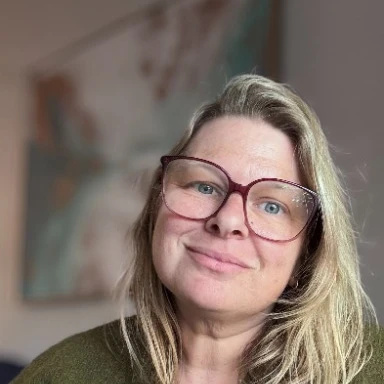
Mara Behan is an online therapist in Ontario and registered psychotherapist (qualifying) focused on infidelity, divorce and infertility.

Verified by Theralist
Verified and in good standing. Last verified Nov 17, 2026
Verification confirms registration only, not fit or quality of care.
How verification worksMSW, RSW
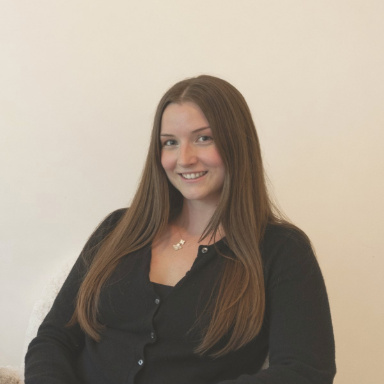
Stephanie Campoli is a registered social worker and therapist in Oshawa, Ontario, helping adults with trauma, PTSD and emotional dysregulation through DBT.
Verified by Theralist
Verified and in good standing. Last verified Nov 9, 2026
Verification confirms registration only, not fit or quality of care.
How verification worksRegistered Psychotherapist (Qualifying)
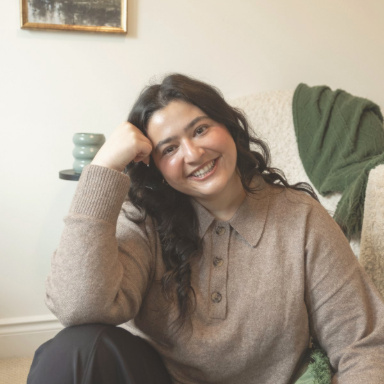
Mairin Clarke is a registered psychotherapist (qualifying) and therapist in Oakville, Ontario, working with OCD, ADHD, anxiety and men's mental health.
Verified by Theralist
Verified and in good standing. Last verified Nov 9, 2026
Verification confirms registration only, not fit or quality of care.
How verification worksRegistered Psychotherapist (Qualifying)
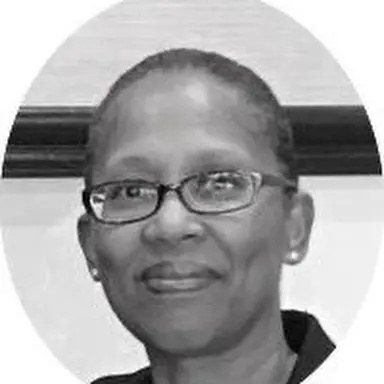
Michaela DeSimone is a registered psychotherapist (qualifying) and therapist in Oakville, Ontario, working on anxiety, ADHD, relationships and school issues.

Verified by Theralist
Verified and in good standing. Last verified Nov 17, 2026
Verification confirms registration only, not fit or quality of care.
How verification worksRegistered Psychotherapist (Qualifying)
Sarah Perone is a registered psychotherapist (qualifying) and therapist in Ontario who works online with couples on infidelity and codependency.

Verified by Theralist
Verified and in good standing. Last verified Nov 11, 2026
Verification confirms registration only, not fit or quality of care.
How verification worksClinical Counsellor, M.A, RCC, CCC.
Shadan Mosavat is a clinical counsellor (RCC, CCC) and online therapist in British Columbia who works with adults on ADHD, trauma and depression.
Verified by Theralist
Verified and in good standing. Last verified Nov 17, 2026
Verification confirms registration only, not fit or quality of care.
How verification worksRegistered Psychotherapist
Charmaine McIntosh is a registered psychotherapist and online therapist in Ontario who works with teens and adults on anxiety, depression and stress.
Whitehorse Therapists at a Glance
Number of therapists listed
Average years in practice
Currently accepting new clients
Therapists in Whitehorse who prioritize treating:
How therapists see their clients
Top therapy approaches used in Whitehorse:
Frequently Asked Questions About Dialectical Behaviour (DBT)
What is Dialectical Behaviour Therapy (DBT)?
DBT is a structured, evidence-based therapy originally developed by Dr. Marsha Linehan to treat borderline personality disorder (BPD), particularly for individuals experiencing intense emotional pain and self-harm or suicidal behaviour. DBT is built around four core skill sets: mindfulness, distress tolerance, emotional regulation, and interpersonal effectiveness. Its name reflects the core dialectic at its heart — balancing acceptance of yourself as you are with commitment to change.
Who can benefit from DBT?
While DBT was initially developed for BPD, it is now used effectively for a wide range of conditions involving emotional dysregulation, including depression, anxiety, eating disorders, PTSD, bipolar disorder, ADHD, substance use disorders, and self-harm. DBT is appropriate for both adolescents and adults. DBT skills are also valuable for people who do not have a diagnosed condition but struggle with managing intense emotions or interpersonal conflict.
What does full DBT treatment involve?
Comprehensive DBT typically involves weekly individual therapy sessions, a weekly DBT skills training group (similar to a class where skills are taught and practised), between-session phone coaching for crisis support, and a therapist consultation team. However, many therapists offer "DBT-informed" or adapted DBT that incorporates the skills framework within individual therapy, without the full group component — particularly when comprehensive DBT programs are not available in your area.
What are the four core DBT skill modules?
The four DBT skill areas are: Mindfulness (observing the present moment without judgment, the foundation of all other skills); Distress Tolerance (surviving crises without making things worse); Emotional Regulation (understanding and managing intense emotions); and Interpersonal Effectiveness (navigating relationships, setting limits, and maintaining self-respect). These skills are taught systematically and practised both in sessions and in daily life.
How long does DBT treatment take?
Standard comprehensive DBT runs for approximately one year, covering the full skills curriculum over multiple cycles. DBT-informed individual therapy may be shorter — typically 6 months to a year — depending on the presenting concerns and goals. Progress in DBT is strongly associated with actively practising skills outside of sessions, not just learning them in session. Your therapist will help you apply skills to real situations in your daily life.