Energy Psychology Therapists in Red Deer, AB

Holistic Psychotherapist, Hypnotherapist & Transformational Coach
I help sensitive, introspective adults who feel anxious, overwhelmed, or stuck in old patterns return to a deeper sense of calm, clarity, and self-trust. I blend psychotherapy, hypnotherapy, mindfulness, and subconscious healing to meet what lives beneath the surface, not just the symptoms. Healing, I believe, is a return to yourself, not a reinvention.
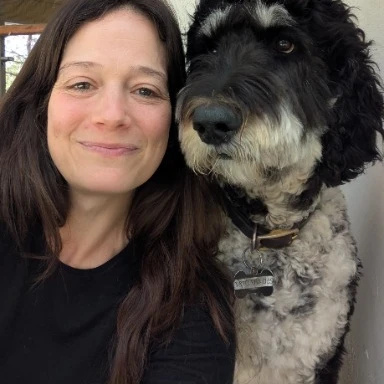
MA, Registered Clinical Counsellor, Somatic Psychotherapist, EMDR
Somatic. Relational. Neurobiological. I am an integrative, somatically-oriented therapist. I support clients who find themselves facing change and growth, be that in relationships, contribution/vocation, trauma recovery, intergenerational legacy, sexuality or spirituality. More at www.alexandragoodalltherapy.com and www.redkitehealing.com
Red Deer, AB Therapists at a Glance
Number of therapists listed
Average years in practice
Currently accepting new clients
Therapists in Red Deer, AB who prioritize treating:
How therapists see their clients
Top therapy approaches used in Red Deer, AB:
Frequently Asked Questions About Energy Psychology
What is energy psychology?
Energy psychology is an umbrella term for a family of approaches that combine cognitive and exposure-based techniques with stimulation of acupoints (the same points used in acupuncture and acupressure) through tapping, holding, or pressure. The most widely known is Emotional Freedom Techniques (EFT tapping). Other approaches include Thought Field Therapy (TFT), the Tapas Acupressure Technique (TAT), and Energy Diagnostic and Treatment Methods. These approaches propose that psychological distress involves disruptions in the body's energy system, and that stimulating acupoints while focusing on a distressing thought or memory reduces its emotional charge.
What does EFT tapping involve?
EFT (Emotional Freedom Techniques) involves tapping a sequence of acupressure points on the face and body (eyebrow, side of eye, under eye, under nose, chin, collarbone, under arm, and top of head) while focusing on a specific distressing thought, memory, or emotion, and voicing an acceptance statement ("Even though I feel [X], I deeply and completely accept myself"). The process is typically repeated for several rounds until the emotional intensity around the issue decreases. EFT can be learned and self-applied between sessions.
Is energy psychology evidence-based?
EFT has more research support than other energy psychology approaches. A growing body of randomized controlled trials shows EFT is effective for PTSD, anxiety, phobias, and depression — the American Psychological Association granted it "efficacious" status for PTSD. However, the mechanism of action is debated — the active ingredient may be the exposure and acceptance components rather than the acupoint stimulation specifically. Critics note that the theoretical framework ("energy meridians") lacks scientific support. Practically, EFT produces benefit for some people regardless of whether the theoretical rationale is correct.
Who might benefit from energy psychology?
Energy psychology approaches may benefit people dealing with anxiety, phobias, PTSD, performance anxiety, trauma, grief, food cravings, and pain. People who are drawn to body-based approaches, who want tools to use between sessions, or who have not responded to talk-based methods may find energy psychology approaches worth exploring. EFT is safe, easily learned, and can complement other therapeutic work. Those interested should look for therapists who integrate EFT within a broader clinical approach rather than using it as a standalone treatment for complex conditions.
Can I learn EFT tapping on my own?
Basic EFT tapping can be learned from books, videos, and online resources and used as a self-help tool for mild to moderate stress, anxiety, and emotional distress. However, using EFT to process significant trauma without professional support can sometimes cause distress to escalate rather than resolve. For complex trauma, PTSD, or significant mental health concerns, working with a trained therapist who incorporates EFT — or any body-based technique — within a broader clinical framework is safer and more effective than self-application alone.