Person-Centered Therapists in Iqaluit, NU
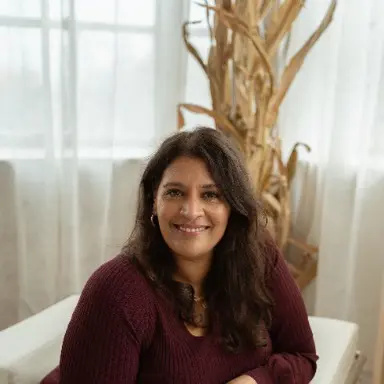
Katharine De Santos
Registered Psychotherapist
Healthy Minds Psychotherapy was founded in 2018 with the mission of providing psychotherapeutic care to individuals from diverse backgrounds, fostering resilience in each person and our community as a whole.

Chris Graham
Professional Counsellor, MPCC-Provisional designation with the Canadian Professional Counsellors Association (CPCA).
I work with pilots and men in high-pressure careers who are navigating anxiety, burnout, identity challenges, or major life transitions. Many of the people I support are looking for counselling that is practical, confidential, and respectful of their professional context. For pilots concerns about career impact, medical implications often create hesitation around seeking support.

Sarah Perone
Registered Psychotherapist (Qualifying)
I help individuals and couples break painful relationship cycles so they can feel more connected, secure, and confident. I support concerns like recurrent conflict, relationship anxiety (and ROCD), limerence, and resentment. Using an attachment- and evidence-based approach, I offer warm, non-judgmental virtual therapy across Ontario. Book a free 15-minute consultation to get started.
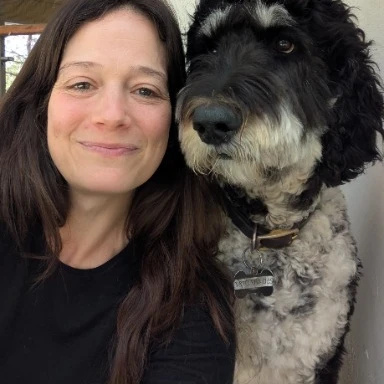
Alexandra Goodall
MA, Registered Clinical Counsellor, Somatic Psychotherapist, EMDR
Somatic. Relational. Neurobiological. I am an integrative, somatically-oriented therapist. I support clients who find themselves facing change and growth, be that in relationships, contribution/vocation, trauma recovery, intergenerational legacy, sexuality or spirituality. More at www.alexandragoodalltherapy.com and www.redkitehealing.com

Maya Awad
Registered Psychotherapist (Qualifying), MACP, ADHD-SP, HBSc (she, her)
Accepting NEW clients - Are you feeling overwhelmed or like you’re carrying a lot on your own? Feel like you're doing everything you’re “supposed to do,” but something still doesn’t feel right? Have a desire to better understand your thoughts, emotions, or patterns, work on building confidence or self-esteem, or find support for your relationship?
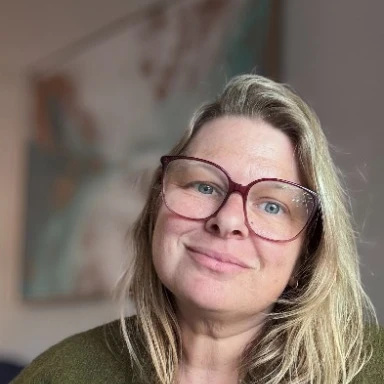
Mara Behan
Registered Psychotherapist (Qualifying)
I help couples and individuals find growth, healing, and stronger connections. Using evidence-based and individualized approaches, I support those struggling with women's health concerns (e.g., pregnancy, postpartum, perimenopause, menopause), relationship concerns (e.g., resentment, infidelity), and life transitions (e.g., separation/divorce, parenting). I offer a free 15-minute consultation!
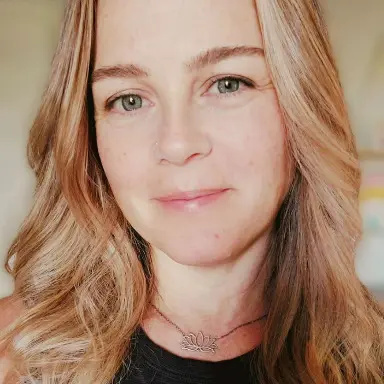
Bonnie Koehn
Registered Clinical Counsellor, Certified Canadian Counsellor
My practice is grounded in a holistic and non-pathologizing approach that is client-centered, trauma-informed, and strengths-based. I offer authentically compassionate and accepting therapy so you can feel free to be yourself. My clients attend virtual therapy from their preferred location- whether that’s the comfort of home, a walk in the park, or over lunch break at work.
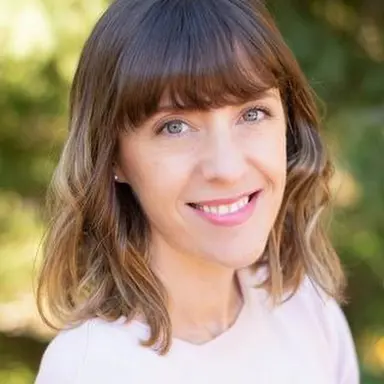
Emma Hartley
Registered Psychotherapist (Qualifying), MACP, BA (she, her)
Are you looking for a therapist that knows what it's like to feel lost or overwhelmed and how to find your footing again? Noticing yourself feeling more anxious, "just tired", and craving a space to slow down and reconnect with a sense of meaning or purpose? Trying to make sense of shifts in mood, questioning careers, exploring relationships, parenting and identity, or a major life transition?
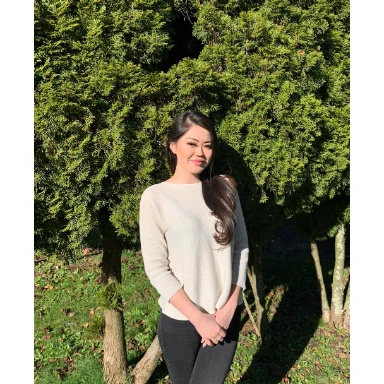
Yuka Oshimi
MC, RCC, ADHD-CCSP, DCP(c)
AuDHD Registered Clinical Counsellor and doctoral candidate offering neurodivergent-affirming, culturally sensitive, trauma-informed counselling for adults across BC and Canada. POC-founded practice with lived Third Culture Kid experience. Areas include but are not limited to ADHD, autism, AuDHD, anxiety, depression, and workplace and school challenges.
How do therapists in Iqaluit, NU compare?
Number of therapists listed
Average years in practice
Currently accepting new clients
Therapists in Iqaluit, NU who prioritize treating:
How therapists see their clients
Top therapy approaches used in Iqaluit, NU:
Frequently Asked Questions About Person-Centered
What is person-centred therapy?
Person-centred therapy (also called client-centred therapy) was developed by Carl Rogers and is built on the belief that people have an inherent capacity for growth and self-healing when given the right conditions. The therapist provides unconditional positive regard, empathy, and genuineness — creating a non-judgmental space in which clients can explore their experiences, feelings, and sense of self without direction or pressure. The client, not the therapist, sets the pace and focus.
What does a person-centred therapy session look like?
Person-centred sessions are led by you rather than the therapist. There are no homework assignments, structured exercises, or predetermined topics — you bring what feels most important, and the therapist reflects, explores, and responds with empathy and care. The relationship itself is considered the primary vehicle for change. Many clients find this approach deeply accepting — it can be particularly powerful for people who have felt judged, unseen, or unheard in their lives.
What conditions is person-centred therapy suited for?
Person-centred therapy is appropriate for depression, anxiety, grief, low self-esteem, identity concerns, relationship difficulties, and general distress. It is particularly well-suited for people who want to explore their inner world, who feel they lack a compassionate witness in their lives, or who have had negative experiences with more directive approaches. Research supports it as effective for mild to moderate depression and anxiety, and it is widely used as the foundation of many integrative therapeutic styles.
How is person-centred therapy different from CBT or DBT?
CBT and DBT are structured, skills-focused, and often therapist-led — sessions follow frameworks with specific techniques and between-session practice. Person-centred therapy is unstructured, exploratory, and client-led — the therapist provides conditions for growth rather than directing the content or teaching skills. Neither is universally better; they suit different people and goals. Some people thrive in the structure of CBT; others find the openness of person-centred therapy more healing. Many therapists integrate elements of both.
How long does person-centred therapy take?
Person-centred therapy is often open-ended rather than time-limited — it continues as long as it is beneficial, without a predefined number of sessions. Some people work briefly to process a specific situation; others engage in longer-term therapy over years as part of ongoing personal growth. This flexibility is one of the approach's strengths — it adapts to where you are and what you need, rather than fitting your experience into a pre-set treatment arc.