Culturally Sensitive Therapists in Iqaluit, NU
Verified by Theralist
Verified and in good standing. Last verified Nov 17, 2026
Verification confirms registration only, not fit or quality of care.
How verification worksRegistered Psychotherapist (Qualifying)
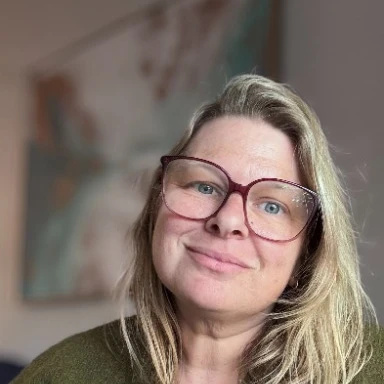
Mara Behan is an online therapist in Ontario and registered psychotherapist (qualifying) focused on infidelity, divorce and infertility.

Verified by Theralist
Verified and in good standing. Last verified Nov 6, 2026
Verification confirms registration only, not fit or quality of care.
How verification worksRegistered Psychotherapist (Qualifying), BA, PsiChi
Amelia Traer is a registered psychotherapist (qualifying) and therapist in Ontario who works online with ADHD, anxiety, OCD and depression using CBT and DBT.
Verified by Theralist
Verified and in good standing. Last verified Nov 17, 2026
Verification confirms registration only, not fit or quality of care.
How verification worksRegistered Psychotherapist
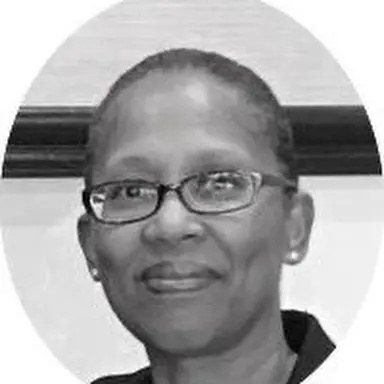
Charmaine McIntosh is a registered psychotherapist and online therapist in Ontario who works with teens and adults on anxiety, depression and stress.
Verified by Theralist
Verified and in good standing. Last verified Nov 12, 2026
Verification confirms registration only, not fit or quality of care.
How verification worksRegistered Therapeutic Counsellor RTC
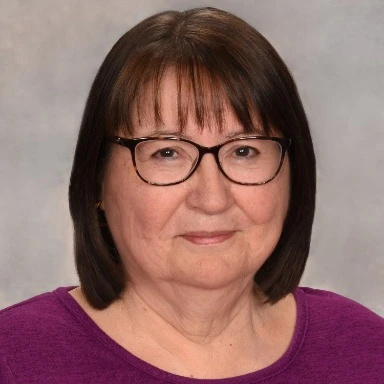
Edna Mitander is a registered therapeutic counsellor (RTC) and therapist in Yukon. Works online with adults and elders on grief and depression.

Verified by Theralist
Verified and in good standing. Last verified Nov 11, 2026
Verification confirms registration only, not fit or quality of care.
How verification worksRegistered Psychotherapist (Qualifying), MACP, ADHD-SP, EMDR, HBSc (she, her)
Maya Awad is a registered psychotherapist (qualifying) and therapist in Ontario who works online with teens, adults and couples on ADHD and anxiety.

Verified by Theralist
Verified and in good standing. Last verified Nov 6, 2026
Verification confirms registration only, not fit or quality of care.
How verification worksRegistered Psychotherapist (Qualifying), ADHD-CCSP, MS, HBA, BA
Eleni Anagnosti, a registered psychotherapist (qualifying) and therapist in Ontario, works online with adults on ADHD, anxiety and trauma.

Verified by Theralist
Verified and in good standing. Last verified Nov 7, 2026
Verification confirms registration only, not fit or quality of care.
How verification worksMC, RCC, ADHD-CCSP, DCP(c)
Yuka Oshimi is a registered clinical counsellor and therapist in British Columbia who works online with adults on ADHD, autism, anxiety and depression.
Verified by Theralist
Verified and in good standing. Last verified Nov 11, 2026
Verification confirms registration only, not fit or quality of care.
How verification worksRegistered Psychotherapist (Qualifying)
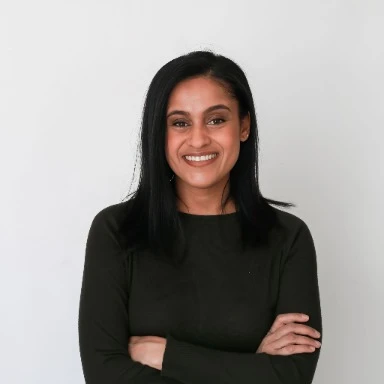
Mandeep Lalli is a registered psychotherapist (qualifying) and online therapist in Ontario, working with BIPOC adults and couples on anxiety and trauma.

Verified by Theralist
Verified and in good standing. Last verified Nov 17, 2026
Verification confirms registration only, not fit or quality of care.
How verification worksRegistered Psychotherapist (Qualifying)
Sarah Perone is a registered psychotherapist (qualifying) and therapist in Ontario who works online with couples on infidelity and codependency.

Verified by Theralist
Verified and in good standing. Last verified Nov 12, 2026
Verification confirms registration only, not fit or quality of care.
How verification worksRegistered Psychotherapist (Qualifying), MACP, BA (she, her)
Emma Hartley is a registered psychotherapist (qualifying) and therapist in Ontario, seeing adults and teens online for anxiety, ADHD and stress.
Iqaluit Therapists at a Glance
Number of therapists listed
Average years in practice
Currently accepting new clients
Therapists in Iqaluit who prioritize treating:
How therapists see their clients
Top therapy approaches used in Iqaluit:
Frequently Asked Questions About Culturally Sensitive
What is culturally sensitive therapy?
Culturally sensitive (or culturally competent) therapy is practice that recognizes and respects the ways in which a client's cultural background, identity, and community context shape their experience of distress, their understanding of mental health, their help-seeking behaviour, and their healing. A culturally sensitive therapist does not treat culture as incidental but as central — understanding that concepts like family obligation, spirituality, collectivism vs. individualism, experiences of racism or discrimination, and cultural expressions of distress must all inform the therapeutic approach.
Why does culture matter in therapy?
Mainstream psychological frameworks were largely developed in Western, White, educated, industrialized contexts — which means they do not always apply accurately or helpfully across all cultural groups. The meaning of symptoms, the role of family in decision-making, the acceptability of discussing certain topics, the stigma of mental health in different communities, and the impact of historical trauma (such as residential schools for Indigenous Canadians) all vary significantly by cultural context. Ignoring these factors leads to misdiagnosis, poor therapeutic alliance, and premature dropout from treatment.
Who benefits most from seeking a culturally sensitive therapist?
Culturally sensitive therapy is valuable for everyone, but is particularly important for people from racialized communities, immigrants and newcomers, Indigenous peoples, people navigating bicultural identities, religious and ethnic minorities, LGBTQ2S+ people of colour, and anyone whose cultural identity has been a source of discrimination, shame, or misunderstanding in healthcare settings. If you have previously felt unseen, misunderstood, or pathologized in therapy, a culturally sensitive therapist may make a meaningful difference.
Does my therapist need to share my cultural background?
Not necessarily, though shared background can offer valuable understanding. What matters more than matching identity is cultural humility — a therapist's genuine curiosity about your experience, willingness to learn about your background without making assumptions, and awareness of their own cultural biases. A skilled therapist from a different background who approaches your culture with curiosity and respect may serve you better than one from a shared background who has not examined their own cultural biases or done the training in multicultural practice.
How do I find a culturally sensitive therapist in Canada?
When searching for a therapist, look for those who list culturally sensitive, multicultural, or anti-oppressive practice in their specialities. You can ask directly in a consultation: "How do you approach cultural differences in therapy?" and "Have you worked with clients from my background?" Trust your initial sense of whether a therapist seems genuinely curious about your experience. Theralist allows you to filter by speciality including culturally sensitive practice, and many therapist profiles describe their approach and the communities they serve.