Emotionally Focused Therapy (EFT) Therapists in Iqaluit, NU

Verified by Theralist
Verified and in good standing. Last verified Nov 17, 2026
Verification confirms registration only, not fit or quality of care.
How verification worksRegistered Psychotherapist (Qualifying)
Sarah Perone is a registered psychotherapist (qualifying) and therapist in Ontario who works online with couples on infidelity and codependency.

Verified by Theralist
Verified and in good standing. Last verified Nov 9, 2026
Verification confirms registration only, not fit or quality of care.
How verification worksRegistered Psychotherapist (Qualifying)
Mairin Clarke is a registered psychotherapist (qualifying) and therapist in Oakville, Ontario, working with OCD, ADHD, anxiety and men's mental health.

Verified by Theralist
Verified and in good standing. Last verified Nov 12, 2026
Verification confirms registration only, not fit or quality of care.
How verification worksRegistered Psychotherapist (Qualifying), MACP, BA (she, her)
Emma Hartley is a registered psychotherapist (qualifying) and therapist in Ontario, seeing adults and teens online for anxiety, ADHD and stress.

Verified by Theralist
Verified and in good standing. Last verified Nov 17, 2026
Verification confirms registration only, not fit or quality of care.
How verification worksRegistered Psychotherapist (Qualifying)
Mara Behan is an online therapist in Ontario and registered psychotherapist (qualifying) focused on infidelity, divorce and infertility.

Verified by Theralist
Verified and in good standing. Last verified Nov 9, 2026
Verification confirms registration only, not fit or quality of care.
How verification worksRegistered Psychotherapist (Qualifying)
Michaela DeSimone is a registered psychotherapist (qualifying) and therapist in Oakville, Ontario, working on anxiety, ADHD, relationships and school issues.

Verified by Theralist
Verified and in good standing. Last verified Nov 6, 2026
Verification confirms registration only, not fit or quality of care.
How verification worksRegistered Psychotherapist (Qualifying), BA, PsiChi
Amelia Traer is a registered psychotherapist (qualifying) and therapist in Ontario who works online with ADHD, anxiety, OCD and depression using CBT and DBT.
Verified by Theralist
Verified and in good standing. Last verified Nov 11, 2026
Verification confirms registration only, not fit or quality of care.
How verification worksRegistered Psychotherapist (Qualifying), MA, BA
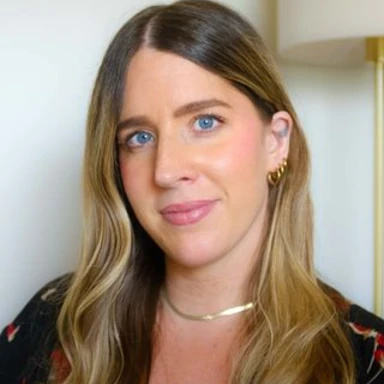
Hope Raine is a registered psychotherapist (qualifying) and therapist in Ontario, seeing adults online for anxiety, ADHD and postpartum concerns.
Student Therapist
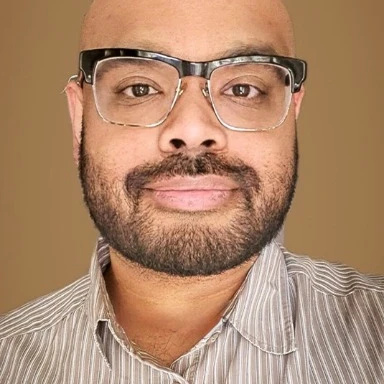
Joshua Dhanaraj is a student therapist in Calgary, Alberta, offering CBT for anxiety and grief to teens, adults and seniors, in person or online.

Verified by Theralist
Verified and in good standing. Last verified Nov 12, 2026
Verification confirms registration only, not fit or quality of care.
How verification worksMSc, Registered Psychotherapist (Qualifying), Canadian Certified Counsellor (CCC), EMDR-Trained Therapist, Member of Ontario Association of Mental Health Practitioners
Rose Pinghera is a registered psychotherapist (qualifying) and therapist in Hamilton, Ontario, helping adults and teens with anxiety, depression and trauma.

Verified by Theralist
Verified and in good standing. Last verified Nov 6, 2026
Verification confirms registration only, not fit or quality of care.
How verification worksRegistered Psychotherapist (Qualifying), ADHD-CCSP, MS, HBA, BA
Eleni Anagnosti, a registered psychotherapist (qualifying) and therapist in Ontario, works online with adults on ADHD, anxiety and trauma.

Verified by Theralist
Verified and in good standing. Last verified Nov 11, 2026
Verification confirms registration only, not fit or quality of care.
How verification worksRegistered Psychotherapist (Qualifying), MACP, ADHD-SP, EMDR, HBSc (she, her)
Maya Awad is a registered psychotherapist (qualifying) and therapist in Ontario who works online with teens, adults and couples on ADHD and anxiety.

Verified by Theralist
Verified and in good standing. Last verified Nov 11, 2026
Verification confirms registration only, not fit or quality of care.
How verification worksClinical Counsellor, M.A, RCC, CCC.
Shadan Mosavat is a clinical counsellor (RCC, CCC) and online therapist in British Columbia who works with adults on ADHD, trauma and depression.

Verified by Theralist
Verified and in good standing. Last verified Nov 7, 2026
Verification confirms registration only, not fit or quality of care.
How verification worksRegistered Psychologist
Kevin Jones is a registered psychologist and therapist in Calgary, Alberta, offering CBT, couples therapy and trauma-focused care for adults and elders.

Verified by Theralist
Verified and in good standing. Last verified Nov 17, 2026
Verification confirms registration only, not fit or quality of care.
How verification worksRegistered Psychotherapist (Qualifying), Canadian Certified Counsellor (CCC)
Hazel Diaz is a registered psychotherapist (qualifying) and therapist in Ontario who works online with adults and couples on anxiety and codependency.
Iqaluit Therapists at a Glance
Number of therapists listed
Average years in practice
Currently accepting new clients
Therapists in Iqaluit who prioritize treating:
How therapists see their clients
Top therapy approaches used in Iqaluit:
Frequently Asked Questions About Emotionally Focused Therapy (EFT)
What is Emotionally Focused Therapy (EFT)?
Emotionally Focused Therapy (EFT) was developed by Dr. Sue Johnson and is grounded in attachment theory — the understanding that human beings have a fundamental need for close emotional bonds. EFT helps clients identify and change the negative emotional and interactional patterns that block secure connection, replacing them with more open, vulnerable, and responsive ways of relating. It is used for couples, individuals, and families, each with a specific EFT model.
What does EFT treat?
EFT for couples (EFT-C) is one of the best-researched couple interventions, with studies showing 70–75% of couples moving from distress to recovery. Emotionally Focused Individual Therapy (EFIT) addresses depression, anxiety, trauma, grief, and attachment-related concerns in individual clients. EFT with families helps address conflict and disconnection between parents and children. All applications focus on deepening emotional experience and reshaping attachment patterns.
What does an EFT session feel like?
EFT sessions are emotionally focused and relational — the therapist pays close attention to emotional signals and helps you slow down and go deeper into feelings that are often glossed over. You may be guided to notice and articulate a deeper, more vulnerable layer of feeling beneath reactive emotions like anger or withdrawal. The pace is gentle but deep, and sessions often feel different from more cognitive or skill-based therapy — more about feeling than thinking.
Is EFT only for couples?
EFT is well-known primarily as a couples therapy, but the model has been extended to individuals (EFIT) and families (EFFT). EFIT is increasingly used for individuals dealing with trauma, depression, anxiety, and relational wounds. EFFT addresses parent-child attachment and is used when adolescents and their parents are struggling with disconnection. An EFT-trained therapist can apply the approach in individual, couple, or family formats depending on your needs.
How long does EFT therapy take?
EFT for couples typically involves 8–20 sessions, depending on the severity of distress and the complexity of the issues. Individual EFT may be shorter or longer depending on the presenting concerns. EFT is generally considered a moderately long-term approach — it goes deeper than symptom-focused work and prioritizes lasting change in attachment patterns rather than quick skill acquisition. The depth of the work is what produces its strong and durable outcomes.