Neuro-Linguistic (NLP) Therapists in Kanata, ON
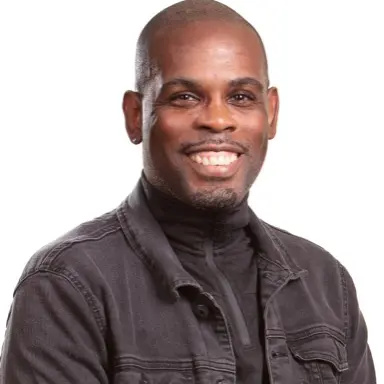
DeRoux Jones
Registered Psychotherapist
I’m DeRoux Jones, a Registered Psychotherapist in Ontario with a Master of Counselling Psychology specializing in Marriage & Family Therapy. I serve individuals, couples, and families, helping with anxiety, depression, grief, relationships, and Christian counselling. My approach is collaborative, evidence-based, and client-centered, creating a safe space for growth and healing.

Monica Natalia
Registered Psychotherapist
Do you constantly judge yourself harshly and worry about how others perceive you? You’re someone who puts everyone else first, making sure the people around you are comfortable and happy. Yet even with all that effort, you still feel anxious, overwhelmed, and never “good enough.” You may hold back from changing because you fear conflict, disappointment, or losing the people you care about. But d…

Katherine Koplov
Registered Psychotherapist (Qualifying)
A second-generation psychotherapist with lived experience as an immigrant, corporate leader, and survivor of relational trauma, I bring a compassionate, culturally attuned, and trauma-informed lens. My integrative approach draws on Mindfulness, Somatic Therapy, EFT, IFS, Polyvagal-informed approaches, Narrative Therapy, DBT, CBT, and SFBT to foster meaningful and lasting change.

Ukasha Malik
Registered Psychotherapist
Ukasha Psychotherapy is a private therapy practice focused on trauma-informed care, self-awareness, and empowerment. It offers a safe, supportive space for clients to work through challenges like anxiety, depression, and relationship issues. The practice emphasizes accessible mental health education, coping tools, and personal growth.
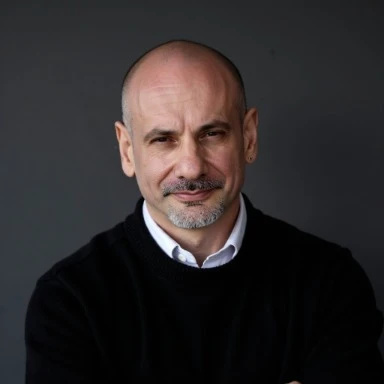
Fanis Makrigiannis
Hypnotherapist
Mind Spirit Body Hypnosis is a virtual practice based in Oshawa, Ontario, serving clients across Ontario and the US. Founded by Fanis Makrigiannis — Certified Hypnotherapist, NLP Master Practitioner & EMDR Practitioner — offering support for anxiety, trauma, weight loss, sleep, confidence, smoking cessation, and habit change. Fully virtual. Ages 10 and up.
How do therapists in Kanata, ON compare?
Number of therapists listed
Average years in practice
Currently accepting new clients
Therapists in Kanata, ON who prioritize treating:
How therapists see their clients
Top therapy approaches used in Kanata, ON:
Frequently Asked Questions About Neuro-Linguistic (NLP)
What is Neuro-Linguistic Programming (NLP)?
Neuro-Linguistic Programming (NLP) is a set of techniques and models developed by Richard Bandler and John Grinder in the 1970s, based on the study of the subjective experience and communication patterns of effective therapists including Milton Erickson, Virginia Satir, and Fritz Perls. NLP posits that the structure of subjective experience (how we represent reality internally through our senses and language) can be identified and changed to produce desired outcomes. It is used in therapy, coaching, communication training, sports performance, and business.
What does NLP involve?
NLP includes a range of techniques: reframing (changing the meaning of an experience), anchoring (associating a physical cue with a desired state), the meta-model (a set of questions to challenge linguistic patterns that constrain thinking), the Milton Model (hypnotic language patterns), visual/kinaesthetic dissociation (a technique for processing traumatic memories), and submodalities work (modifying the internal qualities of mental representations). NLP practitioners may be coaches, therapists, or trainers — credentials and training vary widely.
Is NLP evidence-based?
The evidence base for NLP as a whole is weak. Systematic reviews have generally found insufficient evidence to support most NLP claims, and some of NLP's theoretical premises (such as eye-accessing cues as indicators of representational systems) have not held up under scientific testing. However, some specific NLP techniques (such as visual/kinaesthetic dissociation for phobia treatment) have more support and are incorporated into broader evidence-based approaches. NLP is used widely in coaching and corporate training settings regardless of the limited formal evidence.
Who seeks NLP practitioners?
People who seek NLP practitioners often do so for performance improvement (sports, public speaking, career), phobias or habits they want to change quickly, communication and confidence challenges, and personal development goals. Some people prefer NLP's practical, technique-focused approach over traditional psychotherapy. It is important to clarify what you are seeking — NLP practitioners who are not also regulated mental health professionals are not appropriate for treating mental health conditions, trauma, or clinical concerns.
How does NLP fit within regulated mental health practice?
NLP is not a regulated practice in Canada — the title "NLP Practitioner" or "NLP Master Practitioner" is not protected. Some regulated mental health professionals incorporate NLP techniques within their broader clinical practice, while others are skeptical given the evidence gaps. If you are seeking help for a recognized mental health condition, look for a regulated professional (registered psychologist, registered psychotherapist, registered social worker) who may or may not also use NLP techniques alongside evidence-based approaches.