Schema Therapy Therapists in Kanata, ON

Haley Moore
Registered Social Worker (RSW)
Welcome to Therapy Uninterrupted, where your mental well-being is our top priority. We understand that life can be challenging, and sometimes we all need a little extra support. As a team of dedicated clinicians, we are here to help you navigate through your journey and find the strength within yourself to heal and grow.
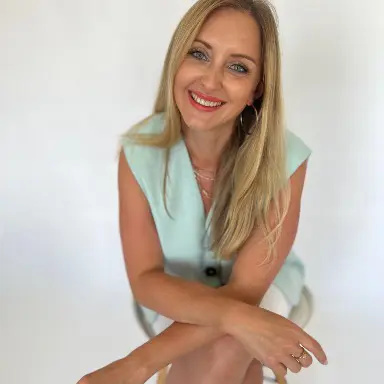
Katherine Koplov
Registered Psychotherapist (Qualifying)
A second-generation psychotherapist with lived experience as an immigrant, corporate leader, and survivor of relational trauma, I bring a compassionate, culturally attuned, and trauma-informed lens. My integrative approach draws on Mindfulness, Somatic Therapy, EFT, IFS, Polyvagal-informed approaches, Narrative Therapy, DBT, CBT, and SFBT to foster meaningful and lasting change.
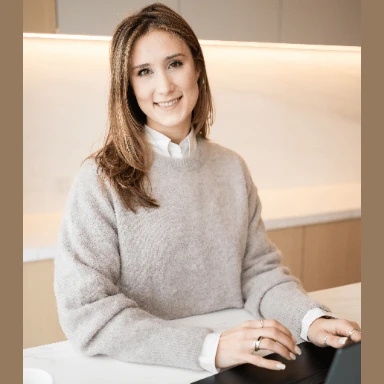
Anastasia Berezowsky
Registered Psychotherapist (Qualifying)
My practice blends talk therapy and structured accountability to help you find balance and resilience—especially when life feels demanding and you need some direction. With a background in Kinesiology and Psychology, I take a whole-person approach that connects mind and body. I support clients who feel misaligned and need the space to untangle themselves from the stressors of every day.
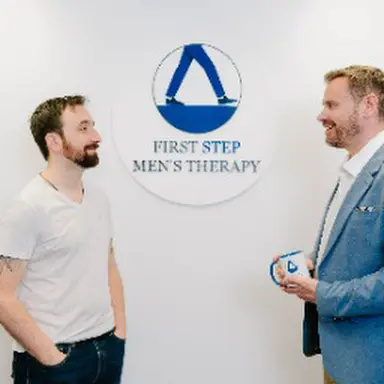
First Step Men's Therapy
Registered Psychotherapist
Disconnected. Isolated. Angry. Stuck. Many men we work with feel this way. You may be struggling with anxiety, depression, anger, shame, trauma, addiction, or relationship difficulties while trying to hold everything together alone. At First Step Men’s Therapy, we help men better understand themselves, build healthier coping strategies, and reconnect with the life they want to live.
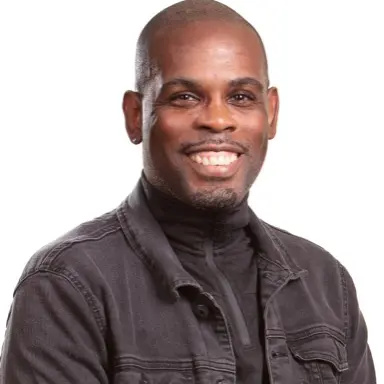
DeRoux Jones
Registered Psychotherapist
I’m DeRoux Jones, a Registered Psychotherapist in Ontario with a Master of Counselling Psychology specializing in Marriage & Family Therapy. I serve individuals, couples, and families, helping with anxiety, depression, grief, relationships, and Christian counselling. My approach is collaborative, evidence-based, and client-centered, creating a safe space for growth and healing.
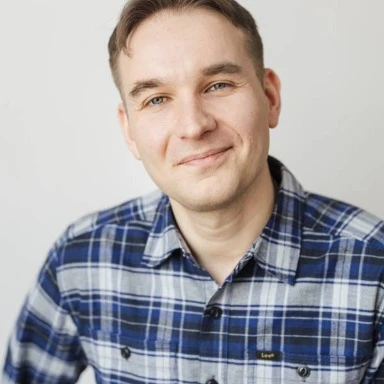
Yaroslav Grechkin
Registered Psychotherapist (Qualifying), Registered Counselling Therapist (Candidate)
You may look like you have it all together, yet quietly struggle with feeling “not good enough.” I help thoughtful, sensitive adults and couples navigate shame, self-doubt, anxiety, perfectionism, people-pleasing, and emotional overwhelm. Together, we’ll uncover the patterns keeping you stuck and build a kinder, more authentic relationship with yourself.
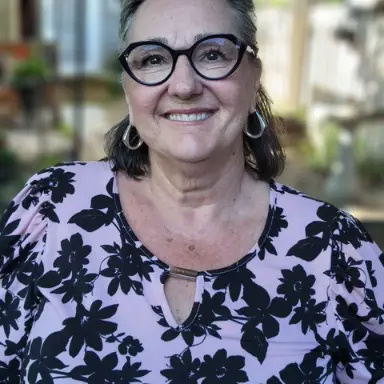
Siobhan McCarthy, MSW, RSW
Registered Individual and Family Therapist , Clinical Consultant
If you feel that you are not living your best life, your relationships are not what you hoped they would be, or the conflict in your life is not going away, perhaps it is time to talk to someone about it. Starting counselling is a brave first step and I will be there to support you through this process. Additionally, I provide supervision to Social Workers in Private Practice.
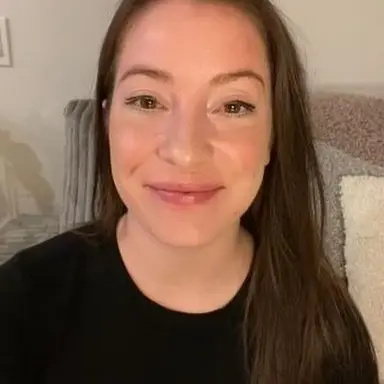
Rebecca Steele
Registered Social Worker, Psychotherapist
Hello, I'm Rebecca. I help adults heal attachment wounds and rebuild a sense of inner safety through Insight-Driven Depth Therapy. If you're struggling with anxiety, intrusive thoughts, self-worth, people-pleasing, relationship patterns, or feeling disconnected from yourself, I offer a warm, collaborative space to explore lasting change beyond symptom management.

Jodi Evers
Registered Psychotherapist (Qualifying)
Providing person-centred, psychodynamic therapy for adults across a wide range of treatment goals. Using an integrative approach that considers the whole person, treatment is adapted to the individual and is deep, experiential, challenging, trauma informed and focused on the body, emotions, and patterns of behavior.
How do therapists in Kanata, ON compare?
Number of therapists listed
Average years in practice
Currently accepting new clients
Therapists in Kanata, ON who prioritize treating:
How therapists see their clients
Top therapy approaches used in Kanata, ON:
Frequently Asked Questions About Schema Therapy
What is schema therapy?
Schema therapy was developed by Jeffrey Young as an extension of CBT to address personality disorders and chronic characterological problems that did not respond adequately to standard CBT. It integrates CBT, attachment theory, Gestalt experiential techniques, and object relations. A "schema" is a deeply held belief and pattern about self and world — typically developed in early childhood in response to unmet core emotional needs. Schemas such as "I am fundamentally unlovable," "I will be abandoned," or "I am defective" drive chronic psychological difficulties.
What are schema modes?
Schema modes are current emotional and coping states — the "parts" that we flip between — that are driven by underlying schemas. Common modes include Vulnerable Child (the frightened, shamed, or abandoned inner child), Angry Child, Punitive Parent (an internalized harsh critical voice), Detached Protector (emotional shutdown and distancing), and Healthy Adult (the integrated, functional part). Schema therapy focuses on identifying modes as they appear in the therapy session and in daily life, strengthening the Healthy Adult, and healing the wounded child modes.
What does schema therapy treat?
Schema therapy has the strongest evidence for borderline personality disorder (BPD) — multiple randomized trials show it produces significant and lasting improvement. It also has evidence for other personality disorders (narcissistic, avoidant), chronic depression and anxiety, eating disorders, relationship difficulties, and complex trauma. It is particularly suited to people who have not fully benefited from standard CBT, whose difficulties are deeply rooted and long-standing, and who have significant childhood adversity in their history.
What makes schema therapy different from CBT?
Standard CBT focuses on current thoughts and behaviours, typically in a structured, present-focused format. Schema therapy goes deeper — exploring the origins of schemas in childhood experiences, using experiential techniques (imagery rescripting, mode work, limited reparenting within the therapeutic relationship) to work at an emotional level, not just a cognitive one. The therapeutic relationship in schema therapy is explicitly used as a vehicle for healing early unmet needs — the therapist maintains "limited reparenting," providing warmth and care that may have been absent in childhood.
How long does schema therapy take?
Schema therapy is typically a longer-term treatment — 1–3 years of weekly sessions for personality disorders, and shorter for less complex presentations. The depth of the work — healing early childhood wounds and changing deeply entrenched patterns — takes time. Schema therapy is conducted in individual and group formats; the group format can be more economical and has its own evidence base for BPD. Both modalities produce significant, lasting change.