Art Therapy Therapists in Peterborough, ON

Verified by Theralist
Verified and in good standing. Last verified Nov 12, 2026
Verification confirms registration only, not fit or quality of care.
How verification worksRegistered Therapeutic Counsellor, Registered Expressive Arts Therapist
Maiya Robbie is a registered expressive arts therapist in Kelowna, British Columbia, using art therapy with teens and adults for anxiety and grief.

Registered Psychotherapist
Feel Your Way Therapy is a registered psychotherapist and therapist in Toronto for anxiety, trauma, ADHD and relationship issues, using EFT and EMDR.

Verified by Theralist
Verified and in good standing. Last verified Nov 6, 2026
Verification confirms registration only, not fit or quality of care.
How verification worksRegistered Social Service Worker, Psychotherapist
Erika Szabo is a therapist in Belleville, Ontario, and a registered social service worker and psychotherapist offering trauma therapy and DBT.
Verified by Theralist
Verified and in good standing. Last verified Nov 11, 2026
Verification confirms registration only, not fit or quality of care.
How verification worksRegistered Psychotherapist
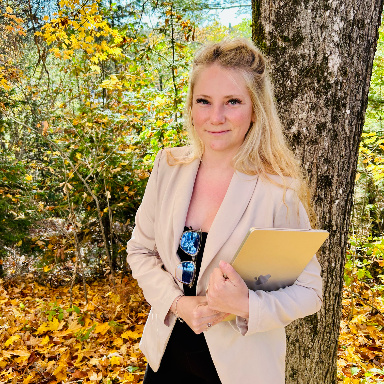
Allison Clayton is a registered psychotherapist and art therapist in Barrie and Collingwood, Ontario, working with teens and adults on anxiety and trauma.

Registered Psychologist/Counselling Therapist/Certified Counsellor
Therapy Collective is a Calgary, Alberta team of therapists offering online and in-person care for anxiety, trauma, ADHD, addiction and EMDR.
Peterborough Therapists at a Glance
Number of therapists listed
Average years in practice
Currently accepting new clients
Therapists in Peterborough who prioritize treating:
How therapists see their clients
Top therapy approaches used in Peterborough:
Frequently Asked Questions About Art Therapy
What is art therapy?
Art therapy is a form of psychotherapy that uses the creative process of making art as a therapeutic medium — allowing people to express experiences, emotions, and aspects of themselves that may be difficult or impossible to put into words. Art therapists are trained mental health professionals with specialized graduate training in both psychotherapy and visual art media. Contrary to common assumption, art therapy is not art classes, arts and crafts, or recreational activity — it is a clinically grounded form of therapy that uses the making of art in the context of a therapeutic relationship.
Do I need to be artistic to benefit from art therapy?
No — artistic ability is entirely irrelevant in art therapy. The product (the artwork) is not the point; the process of making is. Art therapy does not require skill, training, or even comfort with art-making. The therapist is not judging the quality of your work but is using what you create as a way to explore and understand your inner world. People who identify as "not artistic" often find art therapy particularly valuable precisely because it bypasses the verbal, analytical mind and accesses something different.
What issues does art therapy address?
Art therapy addresses trauma (including pre-verbal and non-verbally stored trauma), grief and loss, anxiety and depression, relationship difficulties, eating disorders, chronic illness, substance use, and developmental challenges. It is particularly valuable for children (for whom art-making is a natural form of communication), for people whose trauma is stored in the body and image rather than language, for people with communication difficulties, and for those who find talk therapy alone insufficient or inaccessible.
Who provides art therapy in Canada?
Registered art therapists in Canada hold a master's degree in art therapy and are credentialed by the Canadian Art Therapy Association (CATA). The title "art therapist" is not currently regulated in all provinces, so verifying credentials is important when seeking art therapy. Art therapists work in hospitals, schools, community mental health settings, addiction treatment centres, hospices, and private practice. Theralist lists art therapists in its directory.
What does an art therapy session look like?
Art therapy sessions are conducted in a space with art materials available — drawing, painting, clay, collage, and other media depending on what the therapist offers and what feels right for the client. The therapist may offer a directive (a prompt or theme) or allow free-form exploration. After making, therapist and client may discuss what was created — what it feels like to look at, what associations or feelings it brings up, what story it tells. Sessions are typically 50–90 minutes. Clients do not take their artwork home until therapeutically appropriate.