Hypnotherapy Therapists in Saugeen Shores, ON

Verified by Theralist
Verified and in good standing. Last verified Nov 16, 2026
Verification confirms registration only, not fit or quality of care.
How verification worksRegistered Social Worker, Master of Clinical Social Work
Michelle Keough is a registered social worker and therapist in Calgary, Alberta, who works with couples using Emotionally Focused Therapy.

Hypnotherapist
Fanis Makrigiannis is a hypnotherapist and therapist in Ontario who works online with anxiety, phobias and trauma, using hypnotherapy, NLP and EMDR.

Verified by Theralist
Verified and in good standing. Last verified Nov 11, 2026
Verification confirms registration only, not fit or quality of care.
How verification worksRegistered Psychotherapist & Registered Clinical Counsellor
Krista Huyer is a registered psychotherapist and online therapist in British Columbia, working with adult women on trauma and anxiety using Brainspotting.
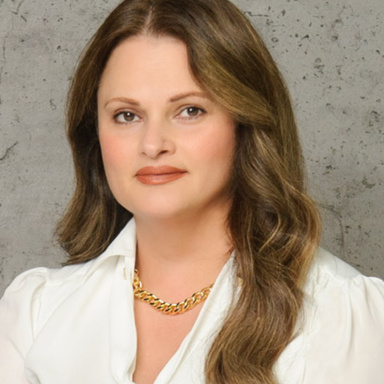
Verified by Theralist
Verified and in good standing. Last verified Nov 6, 2026
Verification confirms registration only, not fit or quality of care.
How verification worksRegistered Psychotherapist
Kim Michael is a registered psychotherapist and therapist in Ontario who works online with couples recovering from infidelity, using the Gottman Method.

Registered Psychotherapist
Feel Your Way Therapy is a registered psychotherapist and therapist in Toronto for anxiety, trauma, ADHD and relationship issues, using EFT and EMDR.

Verified by Theralist
Verified and in good standing. Last verified Nov 8, 2026
Verification confirms registration only, not fit or quality of care.
How verification worksRegistered Social Worker, MSW, RSW, CHyp™
Salima Jadavji is a registered social worker and online therapist in Ontario who works with teens and adults on anxiety, depression, grief and trauma.

Verified by Theralist
Verified and in good standing. Last verified Nov 11, 2026
Verification confirms registration only, not fit or quality of care.
How verification worksRegistered Social Worker, Psychotherapist
Rebecca Steele is a registered social worker and therapist in Ontario, working online with adults on anxiety, depression, OCD and relationship issues.

Verified by Theralist
Verified and in good standing. Last verified Nov 11, 2026
Verification confirms registration only, not fit or quality of care.
How verification worksRegistered Psychotherapist and Hypnotherapist
Laura Lockhart is a registered psychotherapist and hypnotherapist in Saugeen Shores, Ontario, working with adults on anxiety, depression and trauma.
Saugeen Shores Therapists at a Glance
Number of therapists listed
Average years in practice
Currently accepting new clients
Therapists in Saugeen Shores who prioritize treating:
How therapists see their clients
Top therapy approaches used in Saugeen Shores:
Frequently Asked Questions About Hypnotherapy
What is hypnotherapy?
Hypnotherapy is the use of hypnosis within a therapeutic context to facilitate change. Hypnosis involves a state of focused attention, increased receptivity to suggestion, and often a deep sense of relaxation or absorption. In this state, people may be more open to working with thoughts, feelings, images, and suggestions in ways that produce change. Clinical hypnosis is distinct from stage hypnosis — it is a tool used by trained clinicians for specific therapeutic purposes and does not involve losing control, being "put under," or doing things against one's will.
What does hypnotherapy treat?
Hypnotherapy has the best evidence for smoking cessation, irritable bowel syndrome (IBS), chronic pain, anxiety, phobias, and habit change (nail-biting, insomnia). It is used adjunctively for PTSD, health anxiety, performance anxiety, and weight management. Gut-directed hypnotherapy for IBS has particularly strong evidence — multiple randomized trials showing large effect sizes. For many conditions, hypnotherapy is used alongside (not instead of) other evidence-based treatments.
Is everyone hypnotizable?
Hypnotic responsiveness varies significantly between people — approximately 10–15% are highly hypnotizable, the majority are moderately responsive, and about 10–15% show low responsiveness. Higher hypnotizability generally predicts better response to hypnotherapeutic interventions, though benefit can occur across a range of responsiveness levels. Contrary to misconceptions, intelligent, imaginative people tend to be more hypnotizable, not less. Motivation and the quality of the therapeutic relationship also affect outcomes.
What does a hypnotherapy session look like?
A hypnotherapy session typically begins with relaxation and focusing — guiding the person into a hypnotic state through breathing, progressive relaxation, or imagery. The therapist then uses suggestions, imagery, or other techniques appropriate to the therapeutic goal (e.g., suggestions for pain relief, imagery to reduce anxiety, regression to explore past experiences). Sessions end with re-alerting. Many hypnotherapists teach self-hypnosis for use between sessions. Sessions are typically 60–90 minutes.
Is hypnotherapy safe?
Hypnotherapy is safe when practiced by a trained mental health professional or other qualified clinician. Risks include emotional distress (as in any therapy), false memories in some contexts (important to consider when using hypnotic regression), and theoretical risks of worsening certain symptoms if used without clinical expertise. It is not appropriate as the primary treatment for psychosis or active suicidality. In Canada, hypnotherapy should be sought from practitioners who also hold a professional mental health credential (psychologist, psychotherapist, social worker) rather than from lay hypnotists without clinical training.