Motivational Interviewing Therapists in Saugeen Shores, ON

Verified by Theralist
Verified and in good standing. Last verified Nov 11, 2026
Verification confirms registration only, not fit or quality of care.
How verification worksRegistered Psychotherapist (Qualifying)
Teodora Kostadinovska, a registered psychotherapist (qualifying) and therapist in Kitchener, Ontario, works with couples and teens on anxiety.

Verified by Theralist
Verified and in good standing. Last verified Nov 7, 2026
Verification confirms registration only, not fit or quality of care.
How verification worksRSSW, Psychotherapist
Horace Spence is a therapist in Ontario and an RSSW and psychotherapist who works online with couples, families and BIPOC clients on addiction and trauma.

Verified by Theralist
Verified and in good standing. Last verified Nov 11, 2026
Verification confirms registration only, not fit or quality of care.
How verification worksRegistered Social Worker
Mahum Ahmed is a registered social worker and therapist in Milton, Ontario, offering CBT for anxiety, depression and trauma, online or in person.

Verified by Theralist
Verified and in good standing. Last verified Nov 11, 2026
Verification confirms registration only, not fit or quality of care.
How verification worksRegistered Psychotherapist (Qualifying)
Emily Griffin is a qualifying registered psychotherapist and online therapist in Ontario who helps teens and adults with anxiety and eating disorders.

Verified by Theralist
Verified and in good standing. Last verified Nov 8, 2026
Verification confirms registration only, not fit or quality of care.
How verification worksRegistered Psychotherapist (Qualifying), Naturopath
Margot Hovey is a Montreal therapist and registered psychotherapist (qualifying) helping adults, seniors and families with anxiety and depression.

Verified by Theralist
Verified and in good standing. Last verified Nov 9, 2026
Verification confirms registration only, not fit or quality of care.
How verification worksRegistered Psychotherapist (Qualifying)
Michaela DeSimone is a registered psychotherapist (qualifying) and therapist in Oakville, Ontario, working on anxiety, ADHD, relationships and school issues.

Verified by Theralist
Verified and in good standing. Last verified Nov 11, 2026
Verification confirms registration only, not fit or quality of care.
How verification worksRegistered Psychotherapist (Qualifying)
Dylan Walker, a registered psychotherapist (qualifying) and therapist in Ontario, uses online CBT and ACT with adults dealing with anxiety.

Verified by Theralist
Verified and in good standing. Last verified Nov 11, 2026
Verification confirms registration only, not fit or quality of care.
How verification worksRegistered Psychotherapist
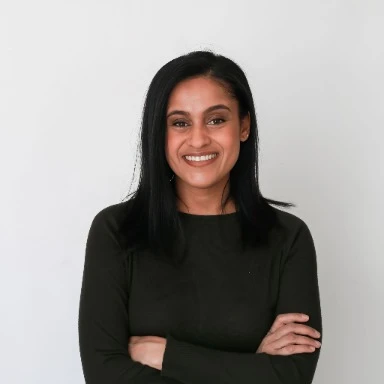
DeRoux Jones is a registered psychotherapist and therapist in Ontario who works with adults and teens on grief, anxiety, depression and divorce.
Verified by Theralist
Verified and in good standing. Last verified Nov 11, 2026
Verification confirms registration only, not fit or quality of care.
How verification worksRegistered Psychotherapist (Qualifying)
Mandeep Lalli is a registered psychotherapist (qualifying) and online therapist in Ontario, working with BIPOC adults and couples on anxiety and trauma.

Verified by Theralist
Verified and in good standing. Last verified Nov 11, 2026
Verification confirms registration only, not fit or quality of care.
How verification worksRegistered Psychotherapist
Natalie Demian is a registered psychotherapist and online therapist in Ontario supporting adults with grief, caregiver issues and anxiety.

Verified by Theralist
Verified and in good standing. Last verified Nov 6, 2026
Verification confirms registration only, not fit or quality of care.
How verification worksRegistered Psychotherapist, MACP, B.Sc (Hons)
Jessica DeMille is a registered psychotherapist and therapist in Oshawa, Ontario, working with anxiety, depression, codependency and relationship issues.
Verified by Theralist
Verified and in good standing. Last verified Nov 7, 2026
Verification confirms registration only, not fit or quality of care.
How verification worksRegistered Nurse Psychotherapist, Certified Nurse Psychotherapist
Connie Coda is a registered nurse psychotherapist and therapist in Thunder Bay, Ontario, offering online sessions for anxiety and chronic illness.
Verified by Theralist
Verified and in good standing. Last verified Nov 12, 2026
Verification confirms registration only, not fit or quality of care.
How verification worksRegistered Therapeutic Counsellor RTC
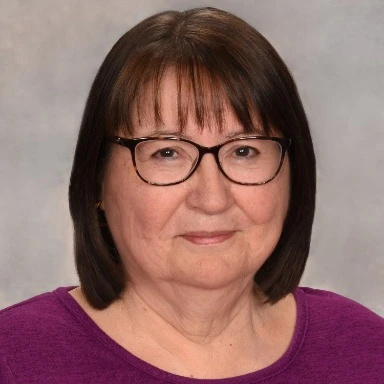
Edna Mitander is a registered therapeutic counsellor (RTC) and therapist in Yukon. Works online with adults and elders on grief and depression.

Verified by Theralist
Verified and in good standing. Last verified Nov 12, 2026
Verification confirms registration only, not fit or quality of care.
How verification worksMSc, Registered Psychotherapist (Qualifying), Canadian Certified Counsellor (CCC), EMDR-Trained Therapist, Member of Ontario Association of Mental Health Practitioners
Rose Pinghera is a registered psychotherapist (qualifying) and therapist in Hamilton, Ontario, helping adults and teens with anxiety, depression and trauma.

Verified by Theralist
Verified and in good standing. Last verified Nov 11, 2026
Verification confirms registration only, not fit or quality of care.
How verification worksRegistered Psychotherapist
Tracey Ropp is a registered psychotherapist and therapist in Ontario who works with teens and adults on ADHD and anxiety online.

Verified by Theralist
Verified and in good standing. Last verified Nov 7, 2026
Verification confirms registration only, not fit or quality of care.
How verification worksRegistered Social Worker
Carla Barbosa is a registered social worker and therapist in Ontario who works online with adults on ADHD, autism and anxiety, in English and Portuguese.

Verified by Theralist
Verified and in good standing. Last verified Nov 5, 2026
Verification confirms registration only, not fit or quality of care.
How verification worksRegistered Psychotherapist
Mackenzie Fournier, a registered psychotherapist and therapist in Ontario, works online with teens and adults on anxiety and eating disorders using CBT.

Verified by Theralist
Verified and in good standing. Last verified Nov 6, 2026
Verification confirms registration only, not fit or quality of care.
How verification worksRegistered Psychotherapist
Annie Szalkai is a registered psychotherapist and online therapist in Ontario, helping adults with anxiety and depression using CBT and DBT.

Verified by Theralist
Verified and in good standing. Last verified Nov 5, 2026
Verification confirms registration only, not fit or quality of care.
How verification worksRegistered Psychotherapist
Johanna Benoit is a registered psychotherapist and online therapist in Ontario, working with frontline workers and with pregnancy and infant loss.

Verified by Theralist
Verified and in good standing. Last verified Nov 11, 2026
Verification confirms registration only, not fit or quality of care.
How verification worksRegistered Psychotherapist
Vrushalee Nachar is a registered psychotherapist and online therapist in Ontario, working with relational trauma and couples.
Saugeen Shores Therapists at a Glance
Number of therapists listed
Average years in practice
Currently accepting new clients
Therapists in Saugeen Shores who prioritize treating:
How therapists see their clients
Top therapy approaches used in Saugeen Shores:
Frequently Asked Questions About Motivational Interviewing
What is motivational interviewing?
Motivational Interviewing (MI) is a collaborative, goal-oriented communication style developed by William Miller and Stephen Rollnick to strengthen a person's own motivation and commitment to change. MI is based on the premise that ambivalence about change is normal — people simultaneously want to change and want to stay the same — and that the therapist's role is to help the person explore and resolve this ambivalence in the direction of their own values and goals, rather than imposing change or providing advice. It is person-centred, evidence-based, and widely used in addiction treatment, health behaviour change, and mental health.
What are the core skills of motivational interviewing?
The core MI skills (OARS) are Open-ended questions (inviting exploration), Affirmations (recognizing strengths and efforts), Reflections (reflecting back what the person has said to deepen understanding), and Summaries (pulling together what has been discussed). The spirit of MI is as important as the skills: a collaborative, evocative, honouring approach that respects the person's autonomy. MI involves selectively attending to and amplifying "change talk" (the person's own arguments for change) while avoiding the righting reflex (the urge to argue for change or give advice).
What does motivational interviewing treat or help with?
MI has strong evidence for substance use disorders (alcohol, opioids, cannabis), smoking cessation, medication adherence, diet and exercise change, weight management, and engaging people who are ambivalent about treatment. It is used as a standalone treatment and as a pre-treatment "engagement" phase before other evidence-based therapies (CBT, community reinforcement approach). MI is also widely used in healthcare settings for health behaviour change.
What is the difference between motivational interviewing and advice-giving?
MI deliberately avoids advice-giving, confrontation, and persuasion — approaches that tend to increase resistance in ambivalent people. When a practitioner argues for change or lists the reasons someone should stop drinking (for example), the person often responds by articulating the reasons they shouldn't — and convincing themselves to stay the same. MI flips this: it evokes the person's own reasons for change and their own arguments, which are far more persuasive to them than arguments from an external authority.
How many sessions of motivational interviewing are needed?
MI has demonstrated efficacy in as few as 1–4 sessions. In many studies, brief MI interventions (even a single 45-minute session) produce significant effects on substance use and behaviour change. MI is often used as an engagement or pre-treatment phase before longer therapy rather than as a prolonged standalone treatment. The brevity makes it particularly valuable in primary care, emergency departments, and settings where extended contact is limited.